
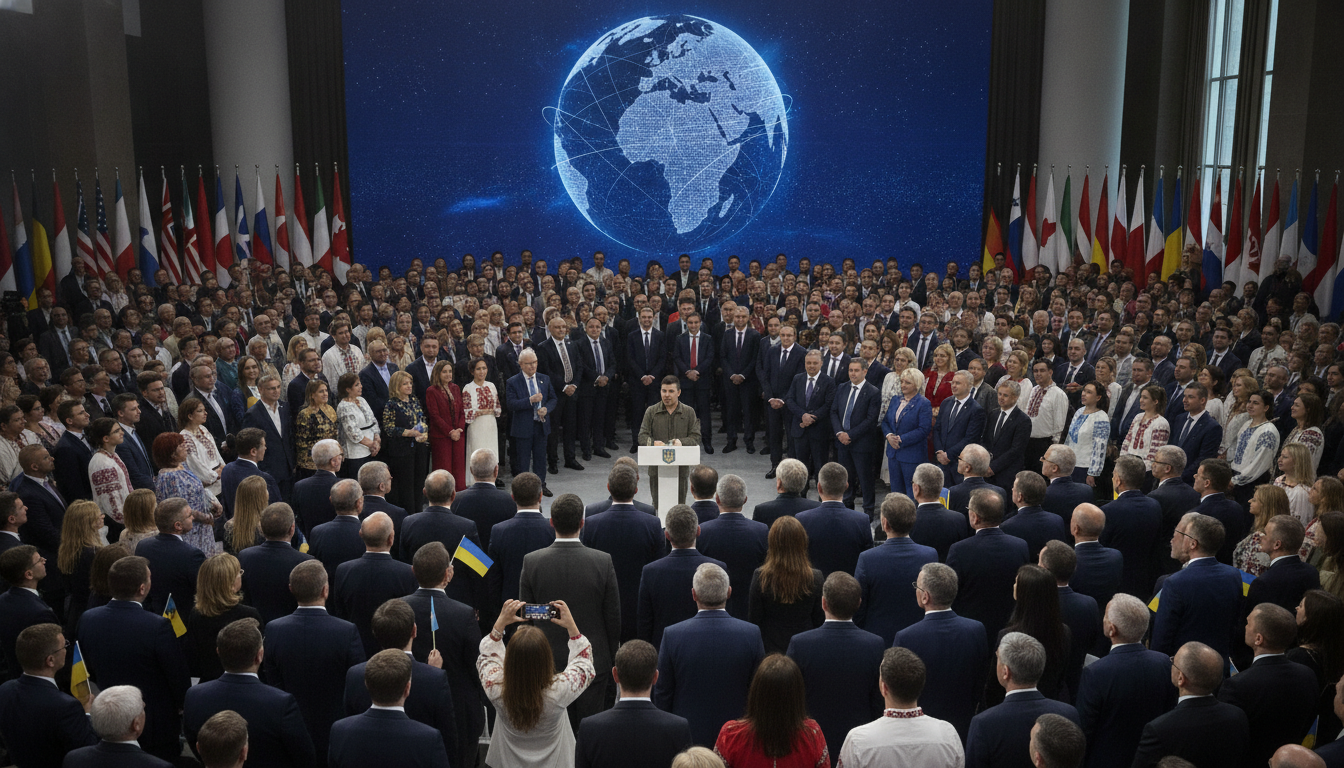
Exhaustion and Resolve: Ukrainians Urge Continued Support for Ukraine from Diaspora and International Partners
Ukrainians say exhaustion and hope coexist as they call for sustained support for Ukraine from the diaspora and international partners to keep aid flowing.
The mood inside Ukraine is widely described as weary but determined, with civilians and aid workers saying that outside assistance remains indispensable to daily survival. Many interviewees stressed that while hope persists, it is contingent on steady deliveries of humanitarian aid, medical supplies and financial support. Officials and community leaders continue to appeal to the Ukrainian diaspora and international backers to maintain pressure and funding as the conflict endures.
Ukrainians Describe Widespread Fatigue and Hope
A cross-section of residents, civil-society volunteers and frontline families portray a population stretched thin by months of conflict-related strain. They report sleepless nights, chronic shortages and the psychological toll of living under constant threat, yet emphasize a resilient desire to keep communities intact. That sense of resolve is frequently tied to visible signs of external backing, which locals say bolsters morale as much as it meets material needs.
Diaspora and International Aid Fill Critical Gaps
Donations and logistical support from Ukrainians abroad have become a linchpin for many local relief efforts, especially in regions bypassed by larger institutional aid. Diaspora groups are organizing shipments of food, winter clothing and medical equipment while also funding evacuation and housing programs for displaced families. International partners remain a key source of large-scale humanitarian assistance, coordinating with local NGOs to channel resources where national systems are overwhelmed.
Humanitarian Needs Escalate in Frontline Regions
Humanitarian needs are reported to spike in areas near sustained fighting, where infrastructure damage disrupts water, power and healthcare access. Local clinics often operate with limited staff and supplies, and volunteers describe improvising to treat blast injuries and chronic conditions alike. This persistent demand for emergency relief underscores why continued inflows of material and financial aid are vital to prevent greater civilian suffering.
Local Volunteers and Civil Society Mobilize Resources
Across cities and towns, volunteer networks and non-profits have expanded rapidly to meet gaps in state response, running dispatch centers, blood drives and temporary shelters. These grassroots operations rely heavily on donations, both small and large, and on the expertise of expatriate professionals who coordinate remote logistics. The volunteers say their work is sustained by community bonds and the practical support that arrives from abroad.
Funding Shortfalls and Donor Coordination Challenges
Despite substantial international pledges, relief groups and local authorities point to persistent shortfalls and coordination obstacles that blunt the impact of aid. Fragmented delivery channels, differing donor priorities and bureaucratic hurdles can slow distribution at a time when speed matters most. Humanitarian officials urge more predictable funding streams and clearer coordination mechanisms to ensure supplies reach the most vulnerable without delay.
Mental-Health Strain and Long-Term Recovery Needs
Beyond immediate material shortages, mental-health specialists warn of a mounting psychosocial crisis among survivors and displaced persons. Trauma services are stretched thin and accessible care remains inconsistent, especially in smaller towns and frontline communities. Experts and community leaders alike argue that sustainable support for Ukraine must include investment in long-term recovery, rehabilitation and social services to prevent a generational toll.
The appeals from within Ukraine consistently link practical assistance to broader political and diplomatic support, with many residents saying both are necessary to preserve the country’s capacity to endure and rebuild. For now, the combination of diaspora mobilization, international aid and local civic action is keeping essential services running, but community leaders emphasize that sporadic or diminishing contributions could reverse hard-won gains.
Looking ahead, those living through the conflict call for sustained commitments that marry immediate relief with planning for reconstruction and social recovery. Continued, predictable support for Ukraine—backed by improved coordination and a focus on mental-health and infrastructure—will be crucial if communities are to move from survival toward lasting stability.
