
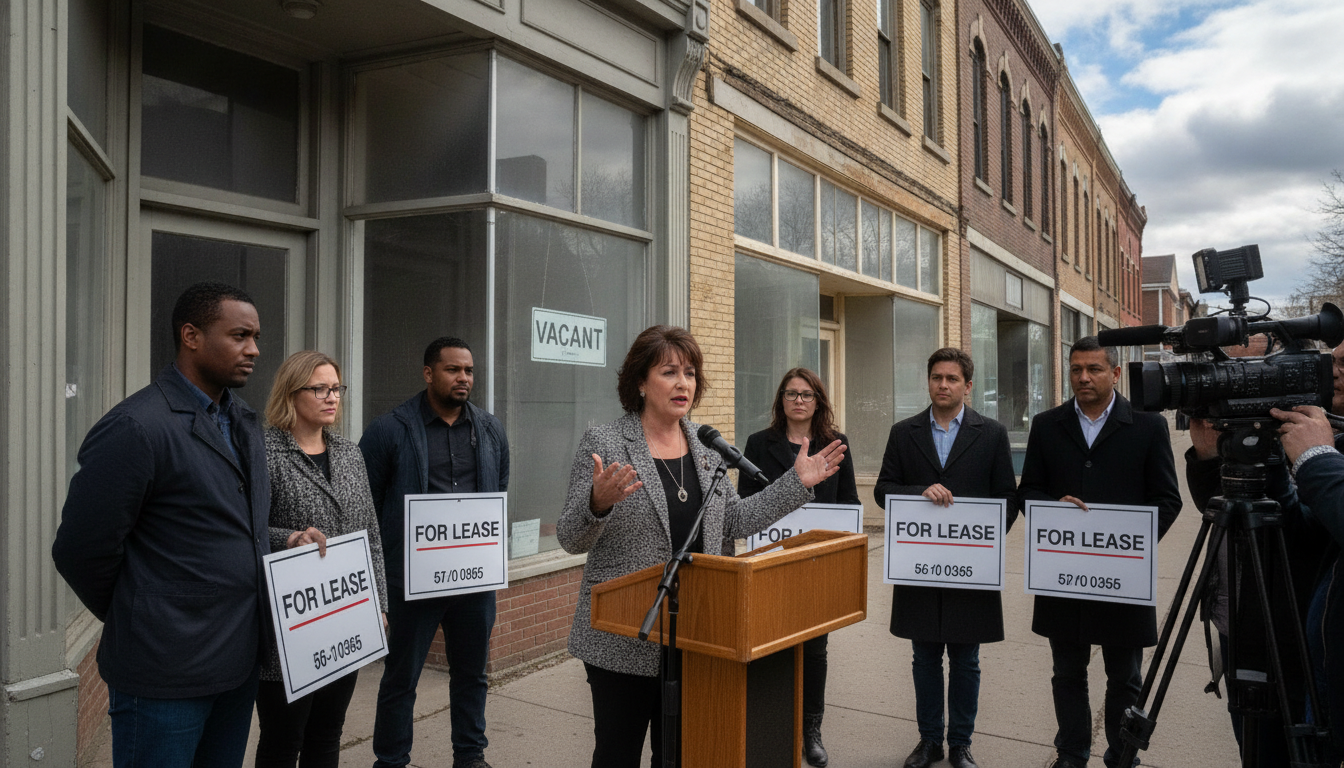
Alberta Avenue businesses call for an end to BIA levy exemption on vacant commercial properties
Alberta Avenue businesses call to end BIA levy exemption for vacant commercial properties, saying tax breaks for empty storefronts undermine street vitality.
Alberta Avenue business owners are publicly pressing municipal officials to address what they describe as an unfair advantage for owners of empty commercial buildings who receive tax discounts and exemptions from BIA charges. The Alberta Avenue Business Improvement Area says the practice leaves active retailers and service firms to shoulder the costs of the BIA levy even during slow sales periods. Business representatives argue the exemption for vacant properties blunts efforts to maintain street-level vibrancy and contributes to safety and cleanliness challenges.
Business owners express financial strain
The BIA reports its members are frustrated that they must continue paying municipal taxes and the BIA levy when sales decline, while nearby commercial properties that sit vacant escape comparable charges. Tenants say that situation reduces foot traffic and can force smaller operators to cut hours or inventory to stay afloat. Several shopkeepers have told the BIA leadership that the current burden undermines confidence in the main street’s long-term prospects.
BIA leadership questions tax logic
Alberta Avenue BIA executive director Erick Estrada says members find it difficult to reconcile the treatment of vacant commercial properties with basic tax expectations for businesses. He has asked why property owners are not treated as operating businesses when they occupy commercial space and instead receive discounts when their units stand empty. Estrada framed the issue in everyday terms, asking whether residents would receive tax breaks for not using their homes, to underline the perceived inequity.
Empty storefronts linked to declining vibrancy
Local business owners and the BIA point to a pattern they say is visible on the street: clusters of vacant units create gaps in the pedestrian experience that deter shoppers and reduce incidental spending. Those gaps can also attract problematic activity that increases maintenance and security costs for neighbouring businesses. The cumulative effect, stakeholders contend, is a less inviting environment for customers and a poorer return on the collective investment BIA levies are intended to support.
How levy exemptions affect BIA funding
Business improvement areas rely on levies to pay for sidewalk cleaning, marketing, security patrols and events that drive customers to commercial corridors. When exemptions apply to vacant commercial properties, the BIA says the remaining payers must absorb a larger share, or services must be scaled back. That dynamic, local leaders warn, risks creating a downward spiral where reduced services further depress commercial demand and make it harder to attract new tenants.
Policy options under consideration
Business leaders and property stakeholders are discussing several approaches to address the problem, including targeted vacancy levies, stricter property standards, and incentives for landlords who actively market and maintain storefronts. A vacancy tax or a higher municipal rate on empty commercial units has been proposed by some main-street advocates as a way to discourage long-term vacancies. Other suggestions include temporary reductions in BIA levies for new businesses or landlord-tenant partnerships to offset fit-out costs and shorten vacancy periods.
BIA plans formal outreach to municipal officials
Alberta Avenue’s leadership says it will compile member feedback and present a formal request for review to city decision-makers, asking for clearer rules and remedies to align tax treatment with street-level outcomes. The BIA expects to seek meetings with municipal councillors and staff to explore both short-term mitigation and longer-term policy changes. Business representatives emphasize they are aiming for solutions that balance property-owner rights with the need to keep commercial districts active and safe.
The debate in Alberta Avenue reflects a broader urban challenge: how to ensure tax and regulatory frameworks support thriving street-level commerce rather than inadvertently rewarding inactivity. Business owners say a recalibrated approach to BIA levy exemptions and property taxation could stabilize revenues for vital services, reduce vacancy-related problems, and restore confidence among independent retailers and the residents who rely on them.
