
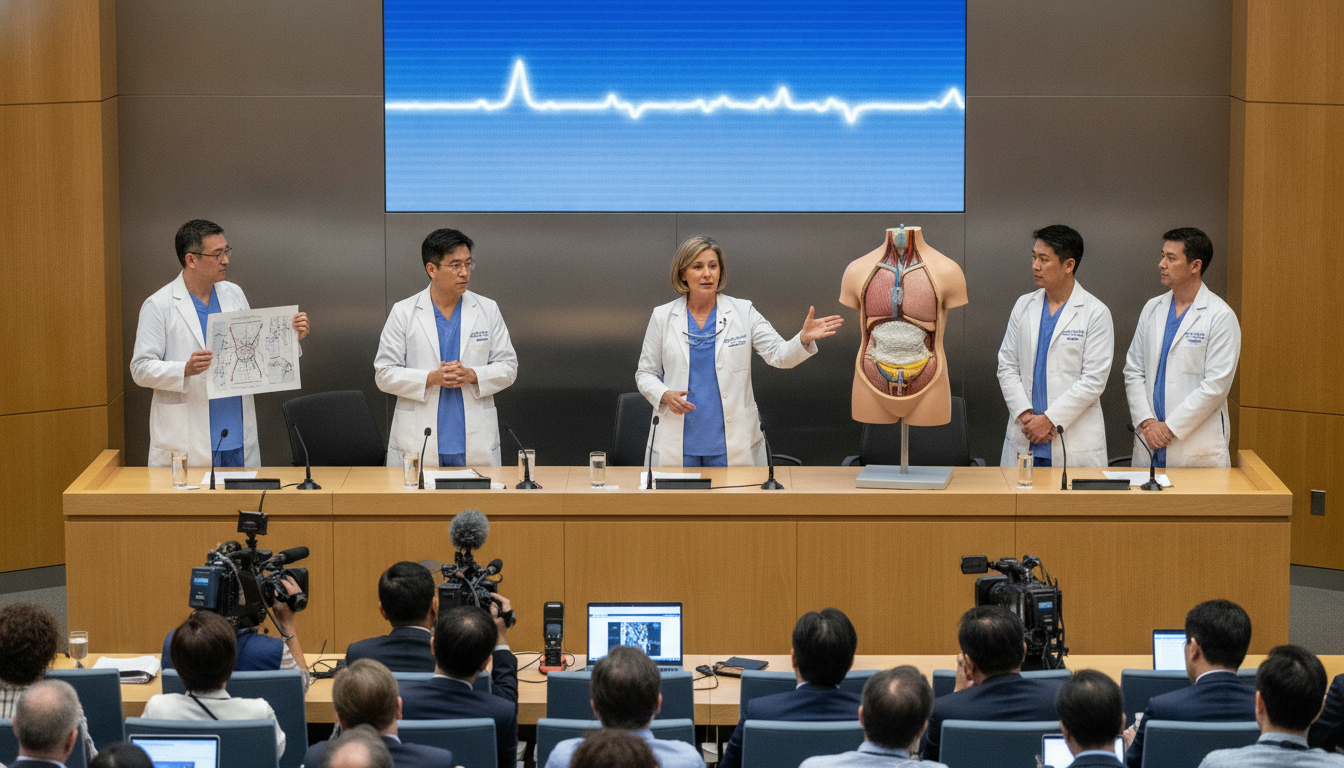
Surgeons Say Modern Hernia Repair Reconstructs the Abdominal Wall, Not Just Patches
Surgeons say patients who have been told for years that surgery cannot fix their condition are now finding new hope through modern hernia repair that reconstructs the abdominal wall rather than relying on patchwork, experts now say.
Many patients report being told for decades that there is no surgical solution for their complex abdominal hernias, a pattern surgeons say they now confront routinely. Specialists describe a shift toward techniques that rebuild the abdominal wall, prioritizing durable function over simple coverage. The change is prompting renewed referrals and second opinions from patients seeking lasting relief.
Patients Told No Surgery for Decades
Surgeons recount frequent cases in which people were told for many years there was nothing that could be done for their hernias. That message has left patients living with pain, reduced mobility and uncertainty about treatment options. The repeated accounts have driven clinicians to emphasize education and greater access to reconstructive procedures.
Many of those patients delayed further evaluation because they accepted the initial prognosis as definitive. Clinicians say that history of being told “no surgery” often masks an earlier lack of access to specialized care. The result has been a backlog of individuals who may benefit from contemporary hernia repair approaches.
Surgeons Emphasize Reconstruction Over Patchwork
“This is a story we hear repeatedly, where patients are being told for decades, even 20 years, that there is no surgery that can fix her hernia,” said Anantha, underscoring the familiar narrative among referrals. Surgeons now stress that the goal of modern hernia repair is reconstruction of the abdominal wall rather than merely covering a defect. This framing changes both surgical planning and patient expectations about recovery and long-term outcomes.
Surgeons say reconstruction involves restoring the anatomy and strength of the abdominal wall so patients regain function and reduce the risk of recurrence. That approach can require more complex planning and coordination than older, simpler repairs. Patients are being urged to ask whether the proposed operation aims to reconstruct rather than just patch the problem.
Techniques and Team-Based Care
Contemporary hernia repair often combines different surgical methods and materials tailored to each patient’s anatomy and prior surgery history. Surgeons describe using layered approaches that address tissue quality, abdominal wall alignment and core function in a single plan. Multidisciplinary teams, including general surgeons, reconstructive specialists and physiotherapists, are increasingly involved in the process.
Preoperative assessment has become more comprehensive to identify factors that affect outcomes, such as muscle weakness and previous operations. Where needed, teams plan staged care that addresses both the hernia and underlying abdominal wall deficits. This coordinated pathway aims to improve the durability of repair and the patient’s overall quality of life.
Impact on Recurrence and Quality of Life
Clinicians say the shift toward reconstructive hernia repair is intended to reduce the likelihood that the hernia will recur and to restore everyday activity. Patients who undergo reconstruction are counselled about realistic recovery timelines and rehabilitation goals. The emphasis on durable repair aims to limit repeat operations and the chronic problems that follow patch-only strategies.
Surgeons caution that not every patient is a candidate for every technique, and individual factors influence outcomes. They also note that managing expectations and postoperative support are key to achieving functional improvement. Long-term follow-up and rehabilitation are presented as integral parts of the repair process.
Access, Referral Patterns and Training
Specialized hernia repair that focuses on reconstruction is concentrated in centers with clinicians trained in complex abdominal wall surgery, and access varies regionally. Surgeons say the perception that “nothing can be done” is often rooted in regional differences in expertise and referral patterns. Improving awareness among primary care providers and general surgeons is a priority for expanding patient access.
Training programs and multidisciplinary clinics are increasingly promoting best practices in reconstructive hernia care. Clinicians advocate for timely referrals to teams experienced in advanced techniques rather than prolonged conservative management when patients continue to experience symptoms. The goal is to ensure patients hear about comprehensive options earlier in their care journey.
Guidance for Patients Considering Surgery
Patients seeking treatment are advised to seek a second opinion if they were previously told surgery was not possible or advised only conservative measures. Ask whether the proposed approach is reconstructive and how it addresses abdominal wall strength, not just the visible defect. Inquire about the surgical team’s experience with complex hernia repair and the anticipated rehabilitation plan after surgery.
Clear communication about risks, benefits and recovery timelines helps patients make informed decisions. Surgeons say that being proactive—bringing prior imaging, operative reports and a list of symptoms—can speed assessment and planning. Patients should also ask about postoperative support, including physiotherapy and follow-up monitoring.
As surgeons push to change the narrative that some hernias cannot be fixed, patients who have been living with long-standing symptoms are increasingly being offered options that aim to restore function rather than temporarily cover a problem. The emphasis on reconstruction is reshaping how clinicians approach complex hernia repair and giving new hope to those who were once told there was no surgical solution.
