
Alberta referendum on Oct. 19 places separatism question atop complex 10-question ballot
Alberta referendum on Oct. 19 places a separatism question atop a 10-question ballot, heightening costs, voter confusion and political stakes provincewide.
The Alberta referendum scheduled for Oct. 19 will ask voters to respond to a 10-question ballot that places a two-part separatism question prominently among a mix of policy and constitutional items. The Alberta referendum has already stoked debate over cost, clarity and the political consequences of putting questions about separation and constitutional change before the electorate. Officials and former election officials warn the ballot’s complexity and timing could shape turnout and the province’s political landscape for years.
Separatism question placed at top of ballot
The ballot’s separation item asks voters two things: whether Alberta should remain in Canada and whether the provincial government should begin the constitutional process toward a binding referendum on separation. The arrangement has prompted concerns about how voters will approach sequential yes/no options and whether answering one question could affect participation on the rest of the ballot. Electoral administrators and civic groups say the sequence and wording could produce uneven responses and complicate interpretation of the overall vote.
Ballot complexity raises voter clarity concerns
Most of the other nine questions combine detailed policy queries with four explicitly constitutional proposals, creating a varied mix that advocates say may confuse ordinary voters. Several questions probe policy positions on immigration, benefits and fees for non-permanent residents, while the constitutional items seek broad mandates to pursue changes in federal-provincial relations. Legal scholars caution that phrasing and context matter when asking voters to endorse steps that would require lengthy intergovernmental or legislative processes.
Estimated cost could dwarf a general election
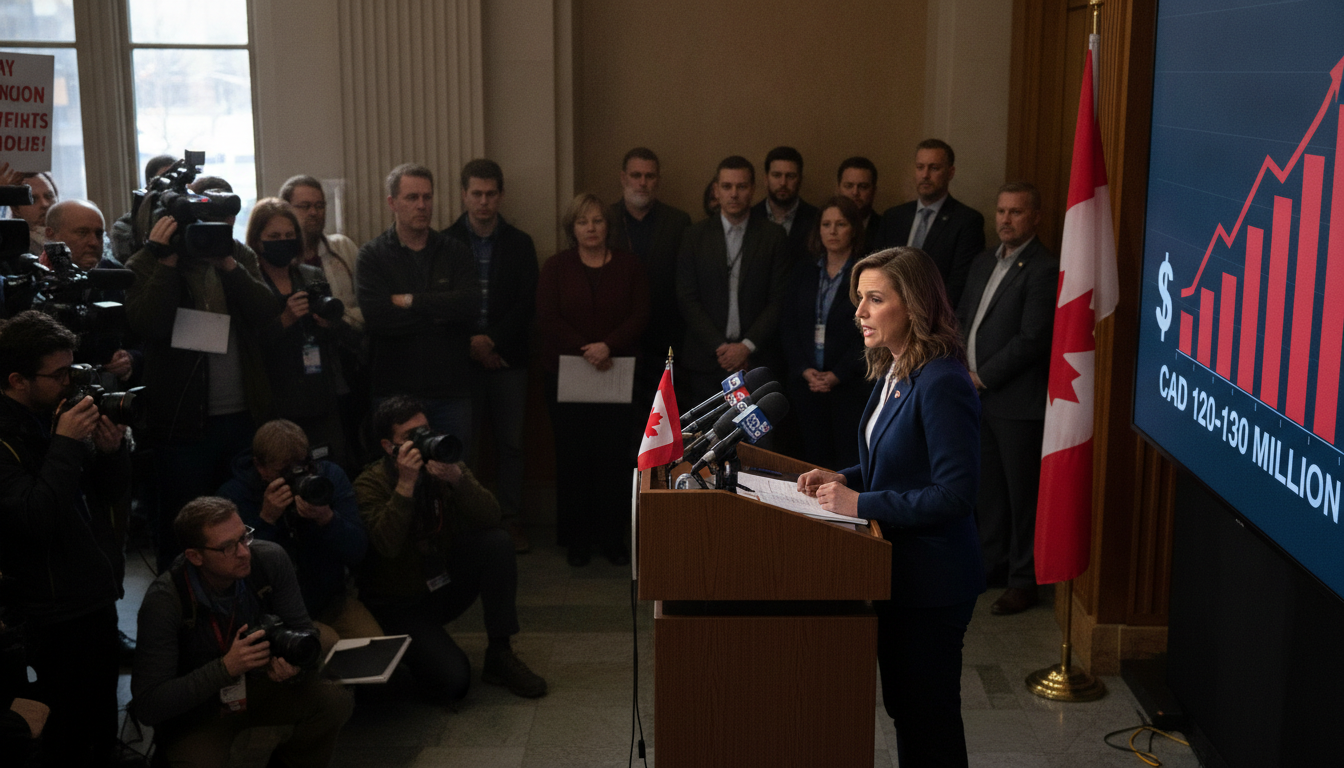
Former chief electoral officials have estimated the province-wide referendum could cost in excess of $100 million, with some estimates suggesting $120 million to $130 million based on previous election expenditures. Elections Alberta has not released a final budget estimate for the referendum, but even conservative projections indicate the exercise will be substantially more expensive than the most recent general election. Fiscal critics question whether a broad public vote is the most efficient way to test public opinion on policy matters that could have been explored through targeted polling.
Five policy questions focus on immigration and benefits
A cluster of non-constitutional items asks whether the province should impose residency requirements before accessing benefits and whether non-permanent residents should be charged fees for health care and education services. Proponents argue these measures reflect public concerns about provincial capacity and fairness, while opponents describe them as punitive or legally fraught. Analysts note these questions are likely to mobilize voters on both sides and could influence turnout among constituencies sensitive to immigration policy.
Constitutional questions propose sweeping federal changes
Four constitutional-style questions invite voters to support Alberta working with other provinces to seek measures such as naming provincial judges, opting out of federal programs without funding loss, asserting the supremacy of provincial law over federal law, and abolishing the federal Senate. Constitutional experts stress that most of these proposals cannot be achieved by provincial referendum alone and would require complex, multi-jurisdictional negotiations and unlikely unanimous consent in federal and provincial legislatures. The Senate-abolition question in particular faces formidable legal and political barriers, including formal approval processes that have stymied comparable reforms in past decades.
Political stakes and turnout risks for federalists and separatists
Political strategists warn the ballot’s mix may produce asymmetric turnout effects. Comments from pundits and some observers suggest the simplicity and emotive nature of the separatism item could drive pro-separation voters to the polls, while federalist-leaning voters might assume the outcome is preordained and abstain. That dynamic could magnify results on the separation question relative to opinion polls, making the referendum as much a measure of mobilization as of public sentiment. Parties and interest groups are already calibrating their campaigns to either suppress or boost participation in targeted communities.
The referendum’s timing, with voters facing the campaign period after Labour Day, raises additional concerns about the politicization of public resources and the potential use of referendum outcomes as a platform for next year’s provincial election. Government officials say the vote is intended to provide a clear public record on a range of issues, while critics argue it substitutes expensive public machinery for ordinary political debate.
The legal and constitutional implications of several questions mean that even decisive yes or no outcomes would not instantly translate into policy change. Many of the proposed paths would require new provincial legislation, intergovernmental agreements, or constitutional amendment processes that include national consultations and approvals. Observers emphasize that public expectations will need to be managed carefully if any of the ballot items return clear majorities.
As the province moves toward the fall vote, attention is shifting to voter education and ballot design to reduce confusion and improve clarity at the polls. Elections administrators and civic groups say plain-language explanations and outreach will be critical in a referendum that mixes technical constitutional concepts with emotionally charged political questions. The outcome on Oct. 19 is likely to reverberate across Alberta politics regardless of whether its immediate legal effects are limited.
Public debate over the Alberta referendum has already highlighted deep divisions about the province’s future role within Canada, and the way the ballot has been structured will help determine whether those divisions are amplified or narrowed by the vote. The coming months will reveal how campaigns, turnout and the precise wording of questions combine to shape a result that may inform both provincial policy and national conversations.
