
Amber Alert issued after 48-hour delay for missing child with autism sparks scrutiny
Amber Alert issued about 48 hours after a missing child with autism raised concerns over delay, criteria and protections for children prone to wandering.
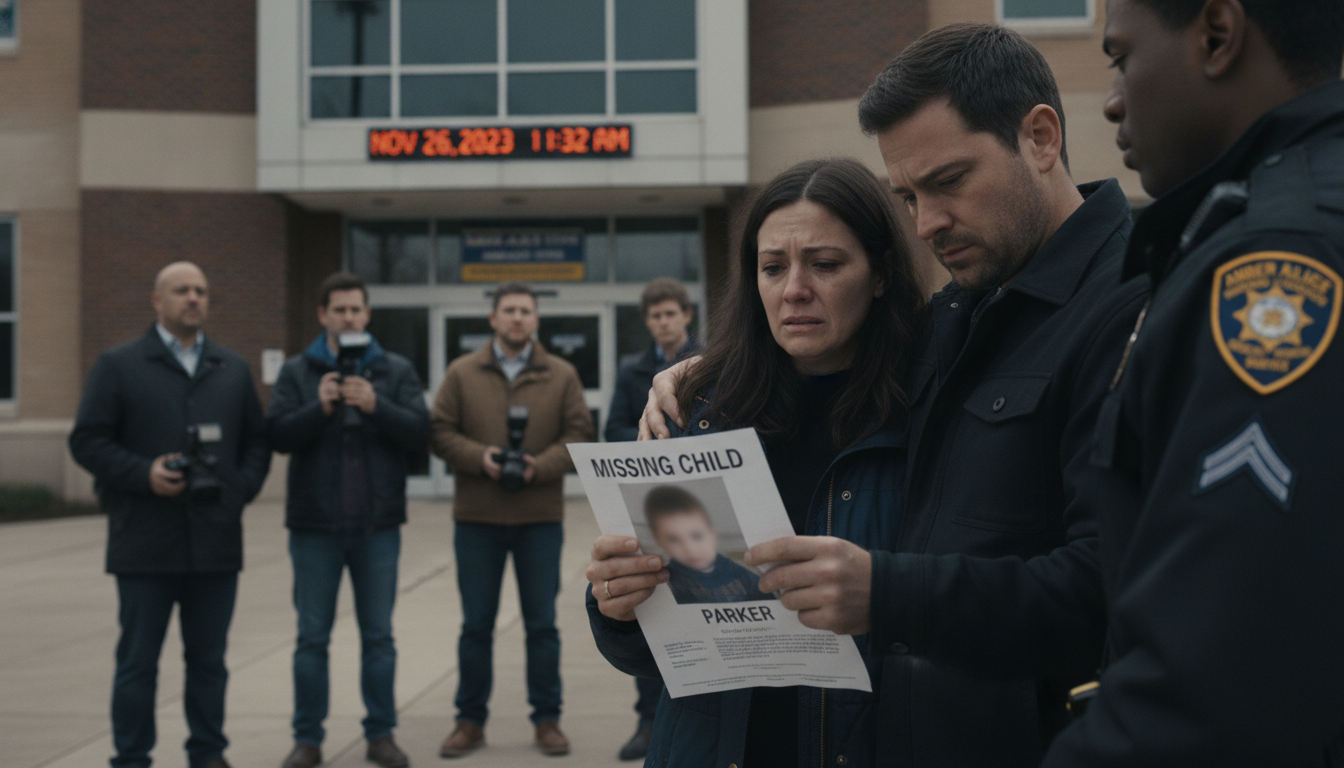
A provincial Amber Alert was issued roughly 48 hours after a child identified as Parker was reported missing, an unusual delay that officials say resulted from the case not meeting standard abduction criteria. The Amber Alert system, which was deployed only after an exception, became the focus of criticism from advocates and families concerned about the risks faced by children with autism who wander. Rempel Garner, in a Friday statement, warned that many children with autism and functional capacity limitations face immediate life-threatening danger when they go missing even without evidence of foul play.
Delayed Amber Alert Issued
Authorities confirmed that Parker’s disappearance initially did not trigger an Amber Alert because investigators found no signs of abduction or foul play. An exception to that policy was later granted and the alert went public about two days after the child was first reported missing. The timing has prompted questions from advocacy groups and media about how alert thresholds are applied in cases involving vulnerable children.
Why standard criteria initially blocked an alert
Amber Alert protocols are generally focused on suspected abductions where there is reasonable belief a child is in imminent danger and where quick public notification could help locate the child. In this case, officials said the absence of indicators of an abduction meant the matter did not meet the usual threshold for an immediate Amber Alert. The subsequent decision to make an exception underlined the tension between strict criteria and practical concerns for at-risk children whose circumstances do not neatly match the system’s primary triggers.
Vulnerability of children with autism
Advocates emphasize that children with autism are disproportionately likely to wander and may be unable to respond to strangers or follow directions, which can elevate the risk to their safety. Rempel Garner highlighted that many with functional capacity limitations can face immediate life-threatening danger when they go missing, even where there is no evidence of foul play. Families and support organizations argue that these vulnerabilities require adapted response protocols that prioritize rapid public notification.
Advocates call for clearer protocols
Autism and disability advocacy groups are urging authorities to clarify when exceptions should be used to trigger public alerts, and to outline alternative rapid-notification pathways for vulnerable children. They say a formal review or amendment to alert criteria could reduce delays and prevent similar situations in future. Some groups also advocate for public education campaigns so caregivers know how to report and escalate missing-person cases involving cognitive or developmental differences.
Law enforcement response and next steps
Police said they followed existing procedures in assessing the case and later approved the alert through the exception process, while continuing search operations and public appeals for information. Investigators emphasized that every missing-person file is individually assessed, and that issuing alerts involves balancing investigatory needs with the public interest in a rapid search. Authorities also indicated they would cooperate with advocacy groups and review the timeline to assess whether policy adjustments or training updates are warranted.
Practical advice for families and caregivers
Experts recommend that caregivers of children who are prone to wandering prepare a safety plan that includes up-to-date photographs, detailed descriptions, and any communication or sensory needs the child has. They also suggest registering identifying information with local police, using tracking devices where appropriate and permitted, and creating neighborhood alert lists to mobilize nearby residents quickly. Support organizations additionally encourage caregivers to document any interactions with authorities to ensure missing-person reports are escalated when necessary.
The delayed Amber Alert in Parker’s case has renewed debate over how emergency notification systems account for children with developmental disabilities, with advocates pushing for clearer rules and faster pathways when those vulnerabilities exist. The family, police and advocacy groups say they will continue to work together as the search and policy discussions proceed.
