
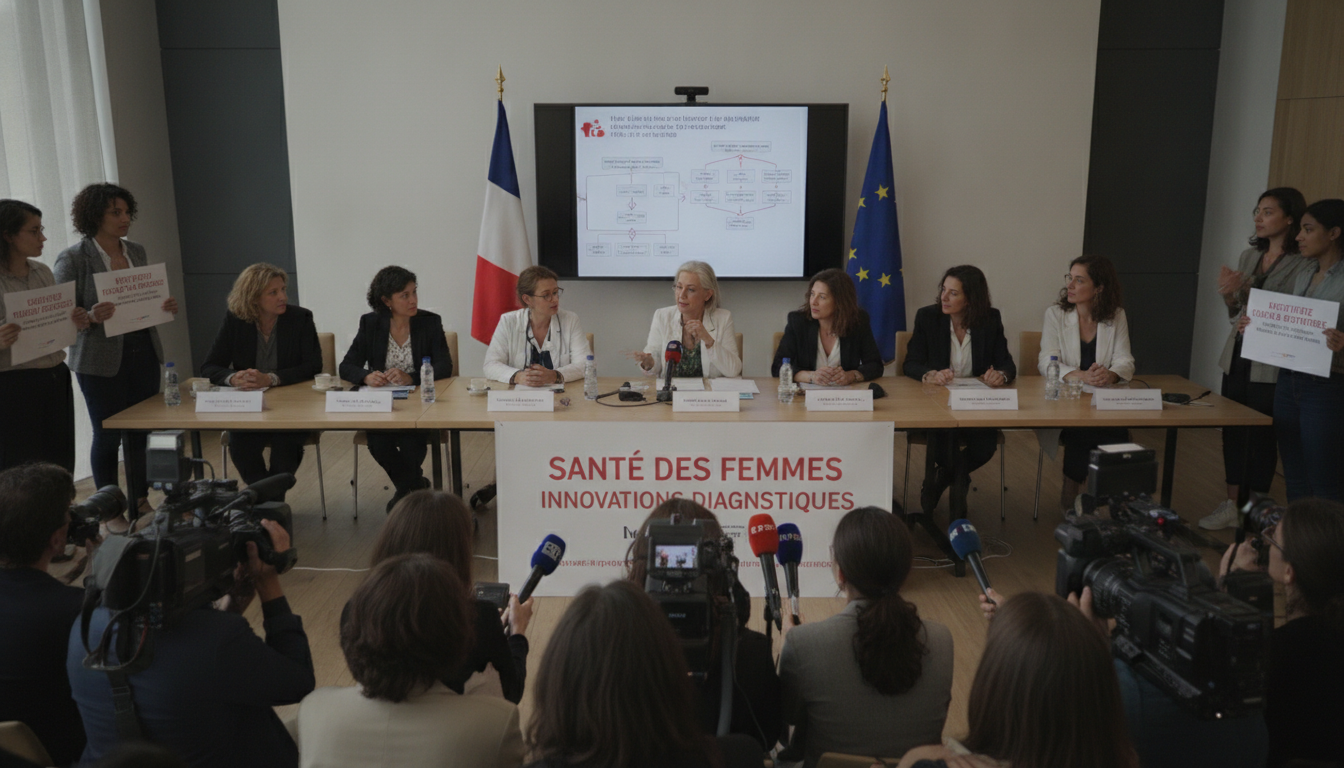
Premenstrual Dysphoric Disorder: Experts push for better diagnosis and launch of a French screening tool
Psychiatrists warn about premenstrual dysphoric disorder (PMDD): symptoms, treatments and a new French diagnostic tool to improve recognition and care in Canada.
Premenstrual dysphoric disorder (PMDD) is gaining renewed attention from Canadian psychiatrists and researchers who say the condition remains under-recognized despite being listed in the DSM-5 since 2013. Clinicians and a research team at the CERVO Centre are working to develop the first French-language diagnostic instrument, aiming to help women and clinicians link cyclical symptoms to their menstrual cycle. Advocacy from specialists highlights the need for routine questions about menstrual timing during mental health assessments.
Experts call for routine menstrual assessments in mental health care
Clinical leaders argue that responsibility for identifying PMDD should not rest solely with patients who must currently track and report symptoms themselves. They urge that intake and crisis assessments include explicit questions about where a patient is in her cycle and whether mood changes recur predictably with ovulation and menses. Making cycle history a standard part of psychiatric and primary-care evaluations could reduce misdiagnosis and speed appropriate treatment.
Advocates further stress that primary-care providers and emergency clinicians receive updated training on hormone-related mood sensitivity. Education in medical schools and continuing professional development were singled out as priorities to correct decades of underinvestment in research on hormonal impacts on the female brain. Researchers say clearer clinical pathways would reduce the diagnostic burden carried by many women.
Symptoms and diagnostic criteria clinicians use
PMDD presents as severe, often disabling emotional and physical symptoms that recur in the luteal phase of the menstrual cycle and remit shortly after menstruation begins. Typical psychiatric features include marked irritability, anxiety, depressed mood, rapid shifts in mood, and increased interpersonal conflict, often accompanied by lethargy, concentration difficulties, appetite or sleep changes, and physical complaints such as breast tenderness and bloating.
A formal diagnosis requires prospective symptom tracking across at least two menstrual cycles, with documentation that symptoms consistently appear in the premenstrual window and significantly impair daily functioning. Clinicians generally look for a pattern of multiple symptoms, including at least one core mood symptom such as severe depression, anxiety, irritability or emotional lability, occurring predictably with each cycle.
Treatment pathways and clinical considerations
Treatment approaches fall into two broad strategies: controlling symptoms with pharmacotherapy and preventing the hormonal fluctuations that trigger them. Selective serotonin reuptake inhibitors (SSRIs) are effective for many patients and can be prescribed either continuously or only during the symptomatic days of the cycle, depending on response and tolerance.
For patients whose symptoms are closely linked to ovulation, suppressing ovulation with anovulatory contraceptives is another option; evidence points to formulations containing drospirenone and monophasic dosing as more consistently helpful. In the most severe, treatment-resistant cases, inducing a reversible menopause or, after careful evaluation, surgical options may be considered, but these steps require thorough counselling and long-term planning.
Prevalence studies and international variation
Epidemiological research suggests PMDD affects a minority but clinically significant share of menstruating people. A 2022 review in the International Journal of Women’s Health estimated a 12‑month prevalence of up to about 5.8 percent in the United States, with substantial regional variation reported in other cohorts. Some studies have found prevalence figures as low as around 1 percent in certain populations and markedly higher rates in specific cohorts elsewhere.
Researchers caution that prevalence estimates depend heavily on study methods, including how symptoms are tracked and whether diagnoses are prospectively confirmed. Differences in cultural reporting, access to care and the availability of validated diagnostic tools in local languages also shape observed rates, underscoring the importance of standardized instruments.
Barriers that lead to misdiagnosis and delayed care
PMDD can mimic or be mistaken for other psychiatric disorders, including mood disorders and personality presentations, which contributes to diagnostic confusion. Many women who have had symptoms for years report being labeled with unrelated psychiatric diagnoses before the cyclical nature of their complaints was recognized. This misattribution reflects both historic gaps in research and a tendency to overlook hormonal influences in mental-health evaluations.
Clinicians say improving recognition requires systematic recording of menstrual history, better clinician awareness of PMDD diagnostic rules, and accessible educational resources for patients. The development of a validated French screening and diagnostic tool is intended to reduce language-related barriers and help health teams distinguish PMDD from other mental-health conditions.
Research developments and supports available in Canada
The CERVO research group’s work to create a French diagnostic instrument is intended to provide clinicians in Quebec and other French-speaking communities with a validated way to document symptoms prospectively. Investigators hope the tool will be paired with online resources so patients can access clear information about PMDD and available treatments in their own language.
Health systems are also encouraged to integrate simple referral pathways so women with suspected PMDD can access psychiatric consultation, contraception counselling and, where needed, specialist care. Greater consistency in documentation and follow-up can improve outcomes and reduce the monthly cycle of impairment many patients describe.
If you or someone you know is in immediate danger, call 911. In Quebec, a provincial support line is available at 1-866-APPELLE (1-866-277-3553) and a confidential text chat service can be reached by texting 535353. Across Canada, you can call or text 988 for mental health crisis support, available 24/7.
