
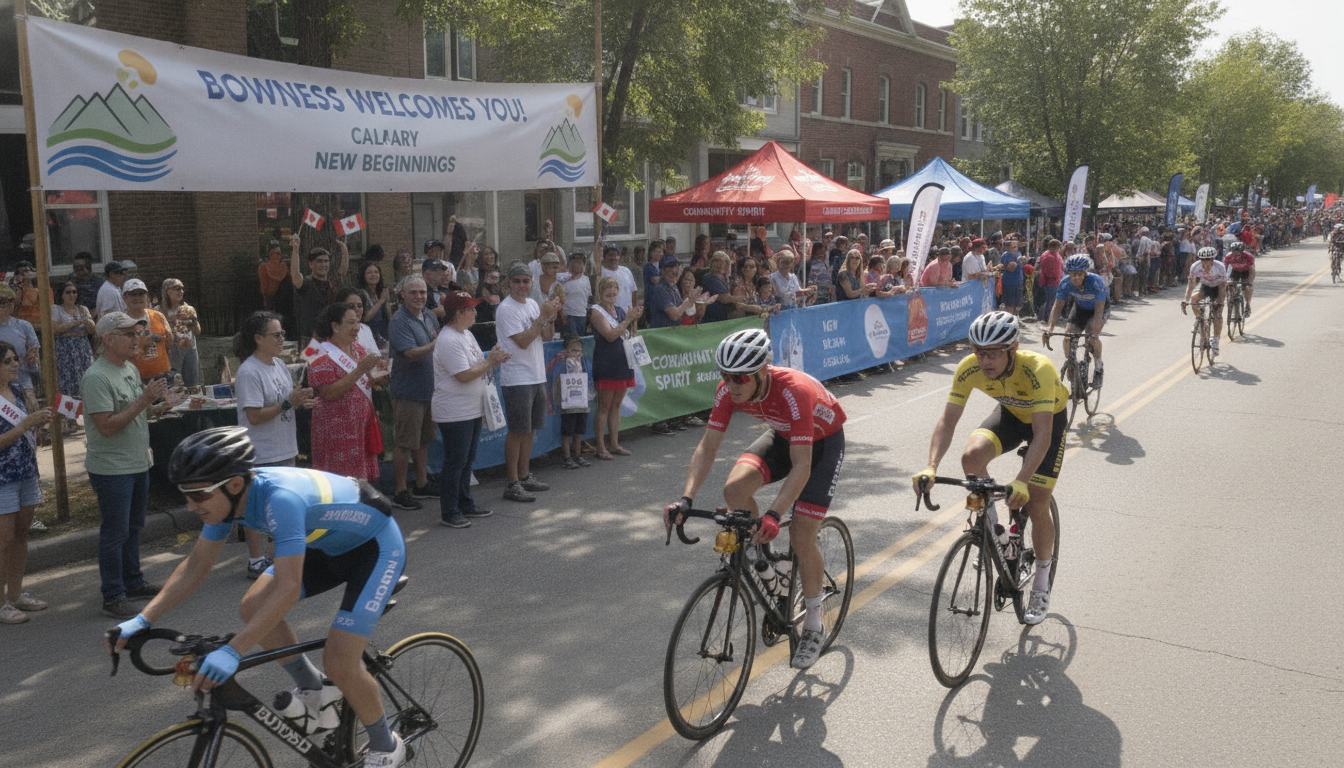
Tour de Bowness Returns as Calgary Neighbourhood’s Signature Community Festival
Tour de Bowness returns to Calgary’s Bowness, bringing community cycling, local vendors and family events that highlight the neighbourhood’s unique character.
The Tour de Bowness, an annual community festival in Calgary’s Bowness neighbourhood, is once again drawing residents to its mix of cycling, markets and family activities. Organizers described the event Monday as rooted in local identity and distinct from larger city festivals. Longtime residents and recent arrivals alike are expected to take part in the neighbourhood-focused celebrations.
Community Tradition Draws Longtime Residents and Newcomers
For many families who have lived in Bowness for years, the Tour de Bowness has become a calendar fixture that signals summer activity in the neighbourhood. That continuity is part of the event’s appeal, organizers say, and it helps maintain social ties across generations. At the same time, growing development in Bowness has brought new residents who are discovering the festival for the first time.
The blending of long-established participants and newcomers has altered the atmosphere without erasing local customs. Neighbours report seeing familiar faces year after year, alongside families trying the ride or visiting the market stalls for the first time. Organizers view that mix as evidence the festival is fulfilling its community-building goals.
Organizers Emphasize Bowness Identity
Event planners stressed that the Tour de Bowness is intentionally designed to reflect the character of the neighbourhood rather than mimic larger municipal events. They said the program aims to showcase local vendors, community groups and volunteer-driven activities that are unique to Bowness. The emphasis on local identity, they added, is what sets the festival apart from other Calgary events.
Organizers also highlighted how the festival gives newer residents a direct way to connect with the community. By centring programming around neighbourhood landmarks and local businesses, the event creates opportunities for people to learn about Bowness history and current initiatives. That connection to place is a recurring theme in the festival’s planning.
Activities Include Family Rides, Markets and Music
The Tour de Bowness traditionally pairs a community ride with family-friendly programming and a marketplace for local artisans. Participants can expect family rides suitable for a range of ages and abilities, community tables hosted by local groups, and live music performances staged at neighbourhood focal points. Programming is curated to be accessible and engaging for both riders and visitors who come to the market and entertainment areas.
Vendors at past editions have included food stalls, arts and crafts sellers and local service organizations, offering a snapshot of Bowness small-business activity. The layout and timing aim to keep the festival compact and walkable so attendees can move easily between cycling routes and community hubs. Organizers encourage people to arrive early and use active transportation where possible.
Local Businesses See Uplift During the Festival
Shop owners and restaurateurs in Bowness typically report increased foot traffic and sales during the festival, with some tailoring special offers to coincide with the event. For small businesses, the Tour de Bowness offers a concentrated period of customer interaction and visibility within the community. Business representatives speak of long-term benefits as well, including repeat customers who discover a local shop during the festival.
Beyond immediate sales, local enterprises often use the occasion to build relationships with neighbours and community groups. Pop-up stalls and collaborative promotions create promotional lift that can extend beyond a single day. Organizers work with business associations to align on access, stall locations and event promotion.
Volunteer Network and Safety Measures
Volunteer coordination is a core component of the Tour de Bowness, with community members staffing registration, route marshals and information booths. Organizers prioritize clear signage and volunteer training to help guide riders and pedestrians safely through busy areas. Safety briefings and first-aid stations are typically part of the operational plan to ensure a prompt response to any incidents.
Community groups and volunteers also assist with setup, waste management and accessibility accommodations to make the event welcoming to a broad audience. Organizers said preparedness and a strong volunteer base are essential to maintaining the neighbourhood-scaled nature of the festival while managing public-safety expectations. They encouraged residents interested in helping to contact event coordinators in advance.
City Coordination and Neighbourhood Logistics
Running a neighbourhood festival requires coordination with municipal services to secure any necessary permits and to arrange street closures or traffic management where applicable. Organizers work with city officials to align on safety plans, waste removal and temporary infrastructure needs. That coordination aims to minimize disruption for residents while enabling the event to operate smoothly.
Logistical planning also covers communication with residents about route changes and access to homes and businesses on the day of the festival. Organizers said advance notices and clear contact points help address neighbouring concerns and ensure residents can plan around the event. The goal is to strike a balance between open public celebration and respect for day-to-day neighbourhood life.
The Tour de Bowness remains a locally driven festival that highlights the neighbourhood’s distinct identity through cycling, markets and community-led programming. Residents and visitors attending the event can expect an emphasis on local vendors, volunteer support and programming designed for families and long-time neighbours alike.
