
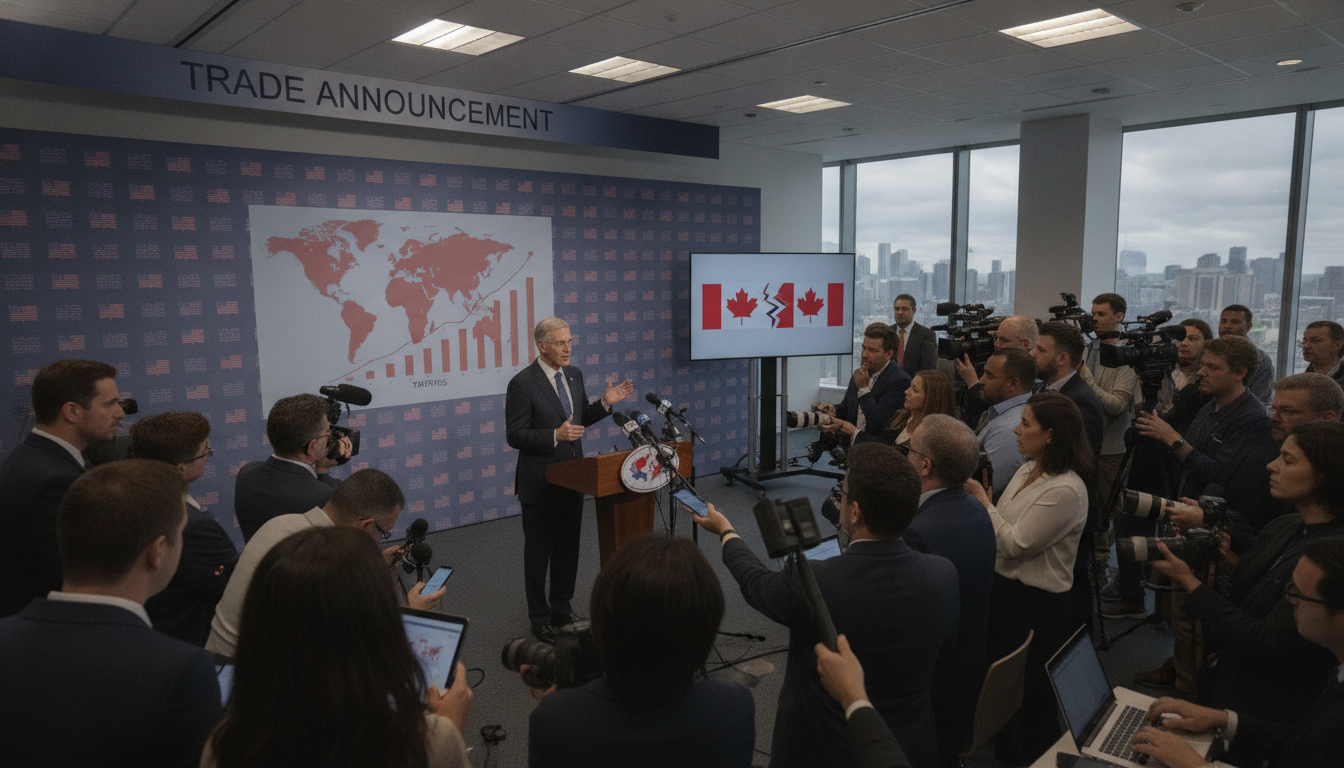
U.S. tariffs hit 60 countries including Canada; Ottawa weighs retaliatory measures
U.S. tariffs of 10–12.5% announced after a forced-labour probe hit 60 countries, and Ottawa says it will hold off responding until the measures take effect.
Canada will not immediately retaliate after the United States imposed new import duties of 10 to 12.5 per cent on goods from 60 countries, including Canada, following a U.S. forced-labour investigation, federal officials said. The announcement, confirmed on Thursday, has prompted urgent discussions in Ottawa and among provincial leaders about potential countermeasures if negotiations fail. Officials emphasized that Canada will wait until the tariffs are in force before launching any formal response, while preparing a range of policy options to protect Canadian exporters.
Details of the U.S. tariffs
The United States applied the duties after concluding a probe into products allegedly linked to forced labour, affecting a broad swath of imports. The tariffs cover a mix of consumer and industrial goods, aimed at penalizing supply chains the U.S. says are tainted by forced-labour practices. Washington set the new rates between 10 and 12.5 per cent across affected product lines, creating immediate uncertainty for exporters and importers.
Canadian trade officials said the move will have uneven impacts across sectors, depending on commodity composition and the destinations of goods. Firms that rely on U.S. supply chains or export directly to the U.S. market are likely to face the earliest disruptions. Ottawa has ordered an assessment of exposure to the tariffs and potential relief measures for affected industries.
Federal response at first ministers’ meeting
At a first ministers’ meeting convened to discuss the fallout, federal representatives told provincial counterparts that Ottawa would not respond to the tariff threats before they take effect. Government sources said the decision reflects a desire to keep diplomatic channels open and to allow time for talks with U.S. counterparts. The approach is intended to preserve room for negotiation while officials finalize an independent review of economic impacts.
Participants described the meeting as focused and pragmatic, with provinces pressing for swift clarity on compensation and support for sectors likely to be hit. Several premiers asked for contingency plans to protect regional exporters, and federal ministers agreed to accelerate intergovernmental consultations.
Options for retaliatory measures under review
While Ottawa is delaying an immediate response, officials confirmed that retaliatory measures are being considered if a negotiated solution is not reached. Options under review include targeted counter-tariffs, temporary import controls, and parallel legal challenges through international trade bodies. Government advisers are also studying fiscal measures to cushion affected firms and workers.
Trade lawyers and industry groups are urging a cautious approach that balances pressure on Washington with the risk of escalation. Experts say carefully calibrated actions, combined with diplomatic outreach, could preserve Canada’s trade relationships while signaling disapproval of the tariffs.
Economic sectors likely to feel the impact
Analysts say the precise winners and losers will depend on which product categories are most affected and whether global buyers shift sourcing in response. Export-dependent provinces with large manufacturing bases may see immediate consequences, while agricultural exporters could face secondary effects if input costs rise. Small and medium-sized enterprises that operate on thin margins are particularly vulnerable to even modest increases in tariffs or supply-chain disruption.
Businesses and industry associations have called on the federal government for targeted support, including loan programs and temporary tax relief. Economists warn that prolonged trade friction could slow growth and raise consumer prices if companies pass on additional costs.
Diplomatic and legal channels being pursued
Ottawa indicated it will pursue diplomacy while preparing trade remedies, engaging allies and seeking clarification from U.S. authorities on the scope and justification for the forced-labour findings. Canadian officials said they will press for exemptions or adjustments where Canadian producers can demonstrate compliance with labour standards. There is also a credible possibility Canada could seek recourse through the World Trade Organization or other dispute-resolution mechanisms if bilateral negotiations fail.
International partners similarly affected by the U.S. measures are expected to coordinate responses, potentially forming a multilateral front to challenge the tariffs. Such cooperation would aim to increase negotiating leverage and limit fragmentation of global trade rules.
The private sector will watch the pace and tone of diplomatic engagement closely, as quick progress could restore confidence while protracted talks would increase pressure for domestic remedies.
Ottawa’s restraint reflects a strategy to exhaust diplomatic avenues before resorting to retaliatory measures that could escalate tensions and disrupt long-standing supply relationships. The coming days will test whether bilateral talks can yield exemptions or a path to de-escalation, or whether Canada and other affected nations move toward formal disputes and countermeasures to protect their exporters.
