
Convention Celebrates Stephen King Film Adaptations, From Kubrick to Cronenberg
Convention spotlights Stephen King film adaptations, honoring directors from Frank Darabont to David Cronenberg after a near-sellout inaugural event in 2024.
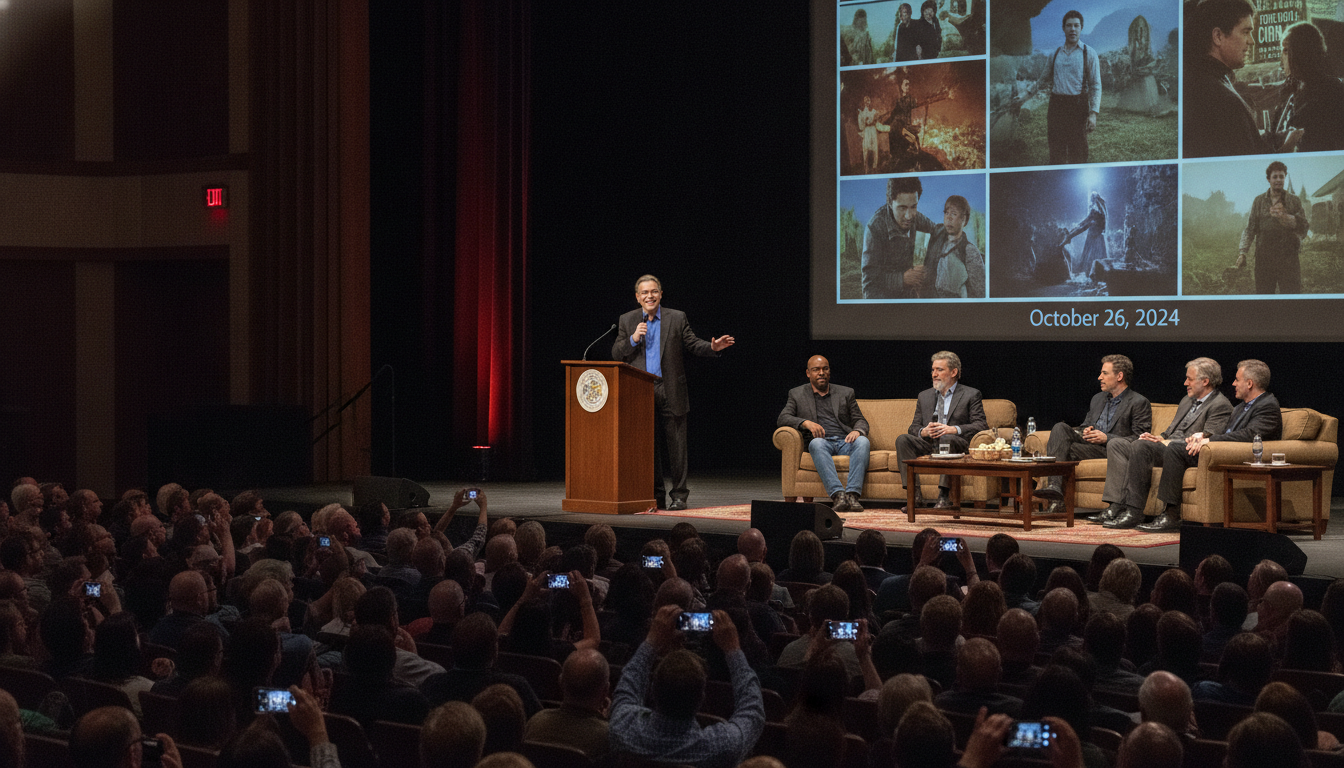
The new festival devoted to Stephen King film adaptations opened to a near‑sellout crowd during its inaugural convention in 2024 and will return this year with an expanded program. Organizers say the event celebrates King’s writing and the filmmakers who have translated his short stories to the screen. The roster presented by the festival highlights a finite group of directors whose work has helped shape King’s presence in cinema.
Near‑sellout turnout at the 2024 launch
The convention’s first edition drew audiences who filled the venue nearly to capacity, according to organizers who described the reception as “overwhelming.” Attendees included film scholars, longtime King fans and local cinema-goers, many of whom followed the festival’s line-up of screenings and tributes. The strong demand at the inaugural gathering has encouraged planners to expand seating and ticket options for future editions.
Programming aimed at film and literary crossover
Festival programming focuses on the intersection of literature and film, with planned screenings, panel discussions and director retrospectives. Organizers have emphasized that sessions will examine the process of adapting short fiction for the screen, and how directors navigate the compression and reinterpretation required by short-story source material. The schedule also intends to feature archival material and roundtable conversations with critics and scholars.
International directors recognized by the festival
The event’s roster highlights a compact list of filmmakers who have brought King’s short stories to audiences, including Frank Darabont, Rob Reiner, Tobe Hooper, John Carpenter, Brian De Palma, Mike Flanagan, Mick Garris and Stanley Kubrick. Festival materials underscore the stylistic diversity represented by these directors, who span mainstream studio work and genre cinema. Organizers say the list is intentionally selective, meant to spotlight those whose screen adaptations have had lasting cultural impact.
Canadian filmmakers included on the roster
The festival also acknowledges Canadian contributors, naming David Cronenberg, Norm Coyne and Jon Mann among those recognized for bringing King’s material into film contexts. The inclusion of Canadian filmmakers reflects the event’s aim to celebrate national as well as international responses to King’s writing. Local programmers noted that recognizing Canadian directors adds a regional dimension to the festival and prompts discussion of how Canadian cinema intersects with American literary adaptations.
Legacy of adaptation and cinematic influence
Speakers at the convention plan to explore why Stephen King’s short stories attract filmmakers and how those adaptations have influenced horror and mainstream film. The directors named by the festival represent different eras and approaches, from psychological suspense to stylized horror, and their work is often cited as formative for subsequent filmmakers. Curators will examine both celebrated hits and lesser‑known screen versions to map an adaptation history rather than celebrate a single definitive approach.
Organizers signal growth and community engagement
Festival organizers say they intend to broaden outreach in coming editions by inviting scholars, critics and, where possible, the filmmakers themselves or their collaborators. Plans discussed in preparatory briefings include expanded workshops, student rates and partnerships with local universities and film societies. The goal is to create an annual hub for analysis of King’s cinematic legacy that also nurtures local film culture and education.
Event leaders emphasized the curatorial choice to focus on short‑story adaptations as a way to spotlight the technical and interpretive challenges filmmakers face. They argue that adapting a short story often requires radical decisions about structure, tone and character that illuminate a director’s creative priorities. Panels at the festival will compare adaptation strategies across the named directors to tease out recurring themes and divergent solutions.
The convention’s organizers also flagged an interest in preserving screening materials and documentation of panels for future research, suggesting a potential archive that would support scholarship on King and film. Local cultural agencies have expressed support for documentation efforts, noting the festival’s potential to attract visitors and to raise the profile of Toronto and other Canadian cities as centres for literary and film analysis.
Looking ahead, the festival aims to cement a place on the calendar for both fans and professionals interested in adaptation studies and genre cinema. Organizers plan to release further details about programming and guests in the months leading up to the next edition, while confirming that the focus will remain on celebrating the directors who have translated Stephen King’s short fiction into enduring cinema.
