
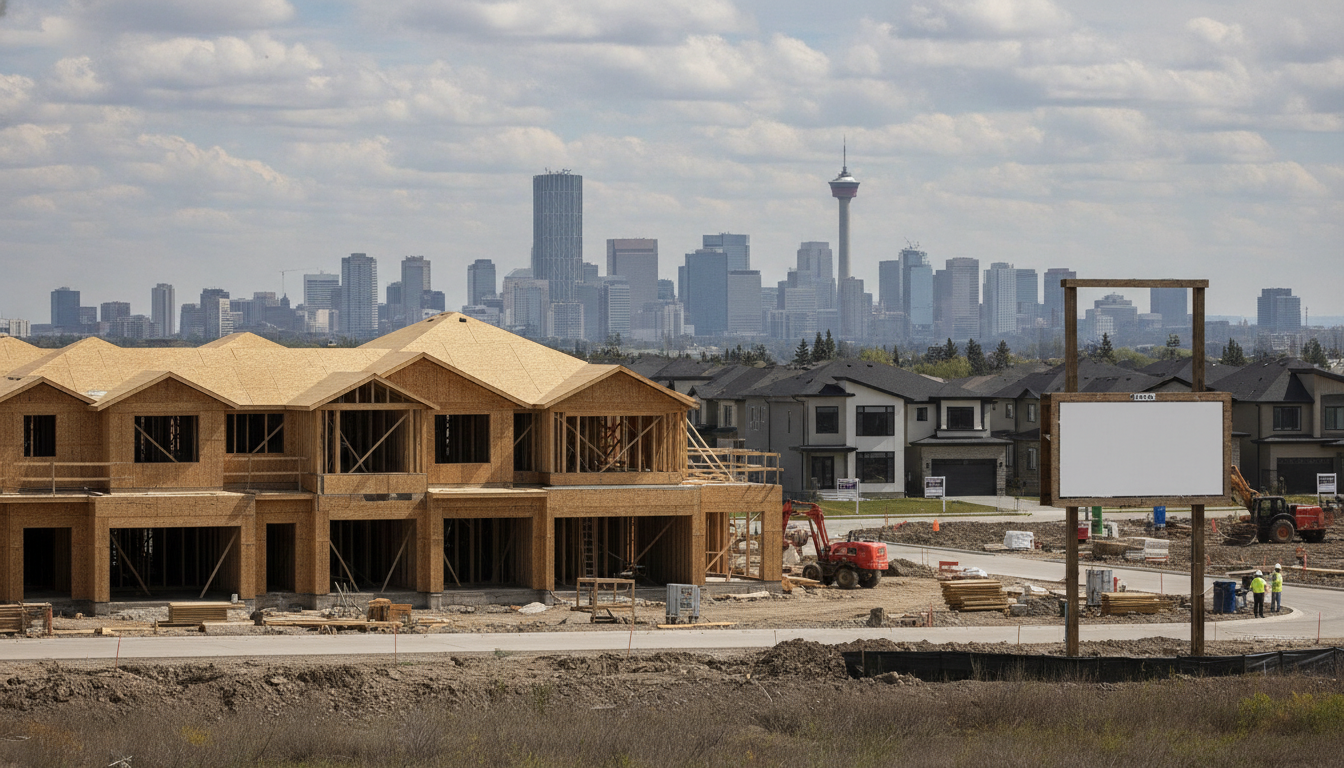
Alberta homebuilding slips 21% in first half as CMHC reports 22,000 starts
Alberta homebuilding fell 21% in the first six months of the year, with 22,000 housing starts recorded by CMHC, as national activity softens.
The Canada Mortgage and Housing Corp. reported that Alberta homebuilding began construction on roughly 22,000 homes in the first half of the year, a decline of 21 per cent from the same period a year earlier. The data signals a pullback in new starts across the province even as overall activity in Alberta remains stronger than in some other regions. Industry analysts and officials point to softer demand across the country as a central driver of the slowdown.
Alberta home starts fall 21% in first half
CMHC’s figures show a notable reduction in the pace of new construction compared with the previous year, underscoring shifting conditions in the housing market. The 22,000 starts recorded through June represent the combined total of single- and multi-unit projects initiated during the period. While the decline is material, provincial activity has not contracted as sharply as in parts of the country that have seen larger drops.
Construction firms in Alberta reported that project schedules and launches were being adjusted in response to evolving demand, which contributed to the lower starts number. The tally captures projects that moved from planning into active construction, and it provides a snapshot of how builders are responding mid-year.
CMHC data confirms 22,000 starts through June
The Canada Mortgage and Housing Corp. released the data showing 22,000 residential starts in Alberta across the first six months of the year. The agency’s monthly and semi-annual reporting is widely used by governments, developers and lenders to track construction momentum. This latest figure is a key reference point for forecasting completions and assessing near-term supply.
Industry groups said the CMHC data will shape conversations about land development, municipal approvals and lending appetite for new projects. Developers monitor starts closely because they reflect not just construction capacity but also the willingness of builders to commit capital amid economic uncertainty.
National homebuilding slowdown tied to weak demand
Across Canada, homebuilding has slowed and CMHC attributed part of that trend to weak demand from buyers and renters. Rising borrowing costs earlier in the cycle and a cautious sentiment among consumers have dampened appetite for new housing. The pullback has been uneven geographically, with some provinces experiencing sharper declines than Alberta.
Economists noted that this national softening affects supply chains, labour allocation and financing decisions, all of which feed back into builders’ choices about whether to begin new projects. The broader slowdown complicates planning for municipalities and developers that must weigh market timing against rising carrying and development costs.
Builders shifting project plans in Alberta
Faced with lower demand, many Alberta builders are recalibrating project timelines and product mixes rather than halting activity outright. Some firms are prioritizing projects already under construction and deferring the launch of speculative developments. Others are focusing on market segments where demand remains firmer, such as entry-level units or rental properties that meet local needs.
The strategic adjustments reflect an industry attempting to balance inventory risk with ongoing demand pockets driven by population growth and employment in key sectors. Builders also cited the importance of permit pipelines and municipal approvals in determining when new projects can realistically begin.
Energy sector and migration support provincial activity
Observers say Alberta’s relative resilience in housing starts is linked to province-specific economic factors that continue to support construction activity. Employment tied to energy production and related services, along with interprovincial migration, has helped maintain a base level of housing demand. Those dynamics have kept more projects viable in Alberta compared with provinces facing steeper downturns.
However, the province is not immune to national headwinds, and reliance on sectoral strength means local markets could be vulnerable to swings in commodity prices and labour availability. Policymakers and developers alike will be monitoring employment and migration trends as indicators of sustained housing needs.
Outlook hinges on demand, interest rates and permits
The path for Alberta homebuilding through the remainder of the year will be shaped by whether buyer and renter demand firm up, how mortgage costs evolve, and the pace of municipal approvals. An uptick in demand would likely encourage builders to restart deferred projects and accelerate new starts. Conversely, prolonged softness or renewed financial tightening could extend the pullback.
Market watchers point to upcoming data on building permits, resale activity and vacancy rates as early signs of whether construction will stabilize. For now, the CMHC report provides a clear metric of the mid-year slowdown and a baseline for stakeholders to plan around.
The CMHC figures underscore a transition point for the housing sector: while Alberta has seen a meaningful decline in new starts, its relative strength compared with other provinces suggests the province may weather the broader slowdown better than some regions, provided local demand drivers hold.
