
Firas Zahabi Focused After Replicating Different Shades of Sean O’Malley in Camp
Firas Zahabi says he used varied sparring to simulate Sean O’Malley’s style, staying focused on tactical adjustments and fundamentals as fight night approaches.
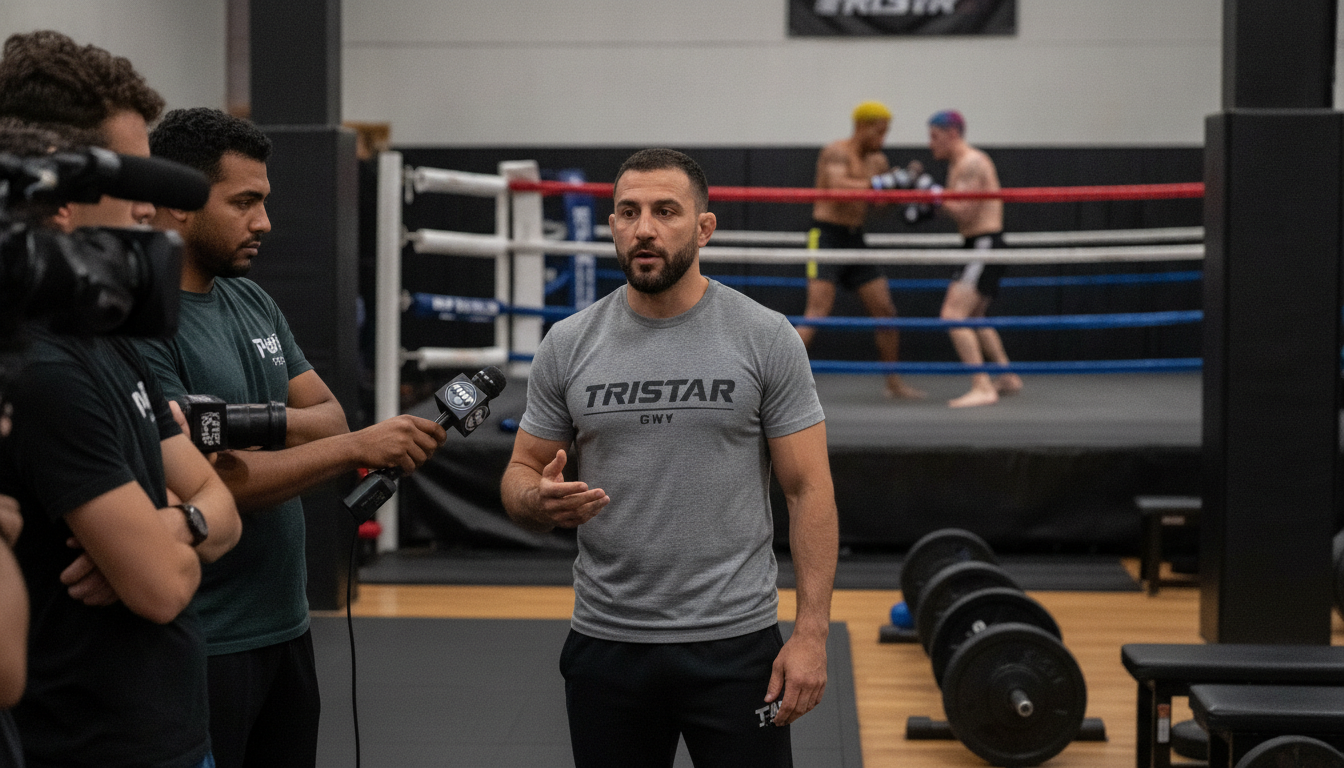
Firas Zahabi, the veteran coach, appeared focused in a recently released training video after describing how his camp worked to replicate several "shades" of Sean O’Malley’s game. The footage shows Zahabi outlining why varied sparring and targeted drills formed the backbone of preparation. He emphasized that simulating an opponent’s unpredictability and timing was central to his team’s approach.
Zahabi outlines the reason for multi-style sparring
Zahabi explained that using a range of sparring partners lets a camp recreate different elements of an opponent’s arsenal. He argued that no single sparring partner can perfectly mimic a fighter as unorthodox as O’Malley, so coaches must piece together the opponent’s tendencies across multiple drills.
This method, Zahabi said, helps athletes prepare for shifts in rhythm, feints and sudden range changes. It also gives corner teams clearer lines on which tactical adjustments to prioritize during the fight.
Training drills targeted at footwork and timing
The footage highlighted drills emphasizing footwork, angles and timing rather than purely heavy contact. Zahabi stressed that cleaner movement and timing often neutralize flashy striking, and that repetition of small adjustments pays dividends under pressure.
He also discussed controlled sparring where fighters focus on entry and exit patterns to counter unpredictable counters. That emphasis on technical work aims to reduce reactionary errors once the cage lights go on.
Managing risk while sharpening offense
Zahabi balanced preparation with caution, explaining how camps protect fighters from unnecessary damage while still sharpening tools. He described the use of situational sparring—short, high-focus rounds that replicate fight scenarios without extended punishment.
The trainer underlined the importance of limiting full-speed exposure to preserve a fighter’s health before the bout. That approach attempts to keep timing and sharpness intact while reducing the accumulation of physical wear.
Corner strategy and game-plan clarity
Throughout the video, Zahabi stressed the role of the corner in simplifying complex scouting into actionable instructions. He noted that corners must translate varied sparring insights into two or three core adjustments that a fighter can reliably deploy under stress.
That clarity is particularly valuable against opponents who vary their looks rapidly, as it prevents confusion when split-second decisions are required. Zahabi suggested that rehearsed responses, practiced in the gym, are often the difference between executing a game plan and reacting instinctively.
Potential effects on the upcoming matchup
Zahabi’s emphasis on varied simulation and fundamentals could alter how the matchup unfolds, especially if his fighter sticks to a disciplined plan. If the training translated into measured footwork and timing, the bout might tilt toward fewer wild exchanges and more calculated sequences.
Conversely, the presence of multiple sparring styles in camp could prepare the team to pivot mid-fight if the opponent changes approach. That flexibility tends to reward fighters and corners who can adapt while maintaining composure.
The video underscores Zahabi’s long-standing coaching philosophy: prepare broadly, practice precisely and simplify under fire. His focus on technical detail and tactical clarity provides a roadmap for how his fighter might approach an opponent known for unpredictability.
