
Quebec lawmakers press beverage industry as bill to ban caffeinated energy drinks for under-16s moves forward
Quebec legislature hearings saw sharp exchanges over a bill to bar caffeinated energy drinks for under-16s, as industry admits no health benefit and health groups urge precaution.
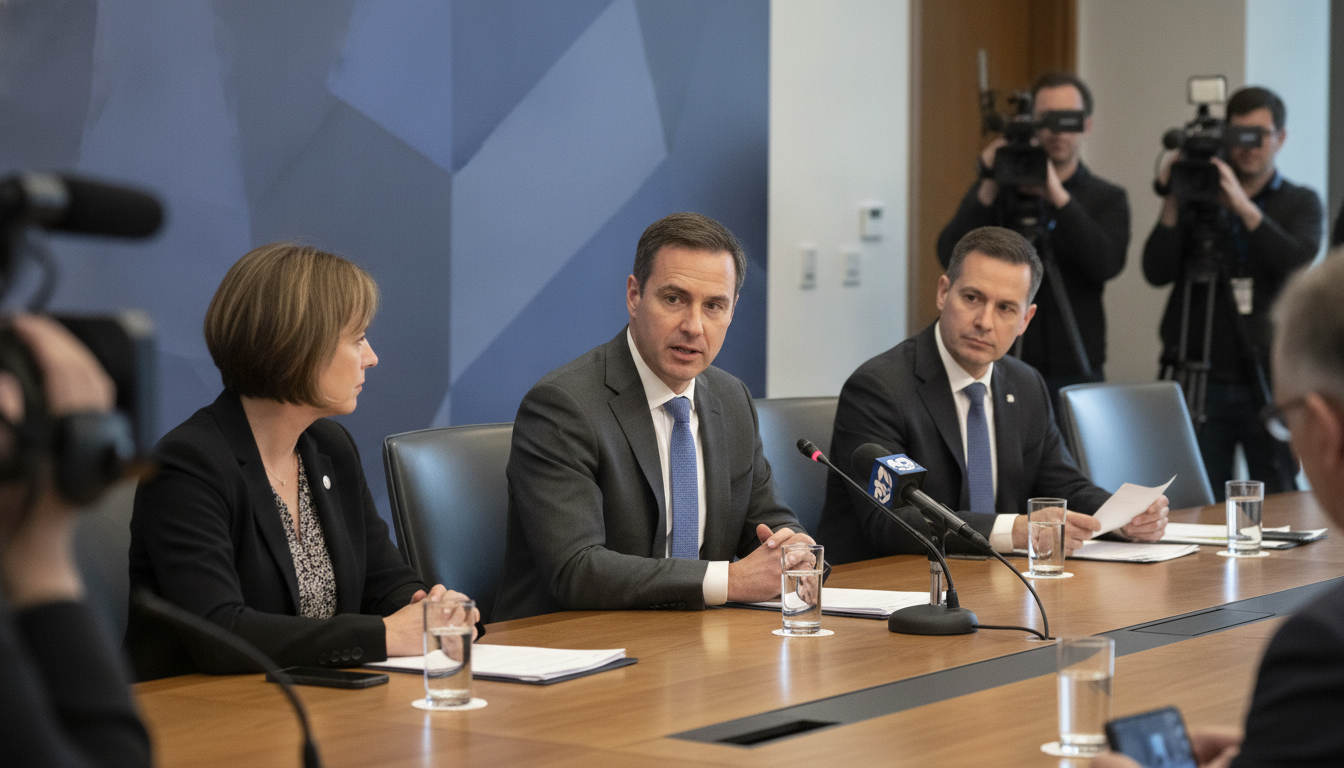
Quebec lawmakers held tense public hearings Tuesday as the province examines a proposed law to prohibit the sale of caffeinated energy drinks to anyone under 16. The Association canadienne des boissons (ACB), representing major brands, faced pointed questions from health ministers and legislators while acknowledging there is no health benefit to consuming these products. The debate was framed by tragic case reports and expert testimony that warned of rare but serious harms, especially when such drinks interact with medications or undiagnosed cardiac conditions.
ACB representative confronted over safety claims
The ACB’s Quebec public affairs director, Carole Grenier, was repeatedly pressed by Health Minister Sonia Bélanger and other parliamentarians about whether caffeinated energy drinks provide any health benefit. After an initial hesitation, Grenier agreed with assessments from public health authorities that there is no demonstrable benefit to consuming these beverages. Her testimony did little to ease concerns among legislators who cited specific cases of severe adverse reactions in adolescents.
Grenier defended the industry’s position that labels and regulatory oversight reduce risk, but she struggled to respond when asked what advice the industry gives to parents of children under 16. Her responses emphasized listening to parents’ experiences rather than offering concrete guidance, which prompted follow-up questions from the minister and opposition members seeking clearer commitments.
Acknowledgement of scientific concerns and tragic cases
Members of the assembly referenced clinical reports and public health advisories that link high-caffeine beverages to adverse cardiovascular and neurological effects in vulnerable individuals. Witnesses recalled the death of a 15-year-old who had an adverse reaction after consuming an energy drink while taking medication for ADHD, a case that has been cited by advocates for tighter restrictions. Health officials and professional orders told the committee that accumulating case reports justify a precautionary approach even when large randomized trials would be unethical.
Experts appearing at the hearings reiterated that some people with undiagnosed arrhythmias or underlying heart conditions may only discover those problems after a symptomatic event, sometimes triggered by stimulant exposure. Those explanations underscored the view among several professional bodies that limiting youth access is a sensible public-health measure.
Industry argues products are regulated and labelled
In its defence, the ACB stressed that caffeinated energy drinks sold in Canada are regulated by federal authorities and typically carry warnings about caffeine content. Grenier told the committee that many products contain up to 180 mg of caffeine — roughly equivalent to a small coffee — and that, in her view, moderate consumption is safe for healthy adults and adolescents. The association also framed its work as focusing on consumer education, including how to read product labels.
However, lawmakers pressed the ACB on whether label warnings are sufficient to protect children and teenagers, and whether voluntary industry efforts amount to meaningful prevention. The ACB declined to provide detailed examples of prevention campaigns tied to specific members’ retail practices, saying that commercial decisions are made by individual companies.
Lobbying disclosures and contacts with officials
During the hearings the industry group confirmed it has four registered lobbyists operating in Quebec and acknowledged sending letters and meeting with political staff. Grenier said the association had discussions with ministerial staff and other political actors, but did not provide a full list of contacts during the session. Opposition members used that disclosure to question the scope of the industry’s outreach and its influence on the legislative process.
Committee members also sought an economic impact assessment from the ACB on the proposed ban, but the association said it had not quantified potential financial effects. Officials declined to disclose details about the share of sales attributed to under-16 consumers, noting that member companies keep some market data confidential.
Pharmacists and cardiologists press for precautionary ban
Health professional organizations told the committee they support the bill on grounds of precaution and patient safety. Representatives of the Ordre des pharmaciens argued that when rare but serious adverse events accumulate in case reports, clinicians and regulators must consider protective measures rather than wait for impractical large-scale trials. Pharmacist leaders compared the approach to established practices that limit exposure of pregnant patients to drugs without clear safety data.
Cardiology representatives also warned that stimulant beverages can unmask or trigger cardiac arrhythmias, sometimes with fatal outcomes, and they endorsed the conclusion of provincial public-health experts that caffeinated energy drinks offer no public-health benefit. One cardiologist noted that the policy discussion began several years ago and that professionals are urging more rapid action.
Political timetable and next steps for the bill
The Fréchette government indicated it hopes to conclude debate and adopt the bill before the end of the parliamentary session later this week, making a swift final vote possible. Conservative members, who had earlier resisted rapid adoption, said they welcomed the additional hearings and that Tuesday’s testimony provided a basis for informed debate. Party leaders signalled they will decide their final vote based on the text of the bill as amended after consultations.
Committees will weigh the written and oral evidence gathered in recent days and may propose adjustments before sending a final version back to the assembly. Lawmakers face a compressed timeline to balance public-health concerns, industry arguments and practical enforcement considerations ahead of the scheduled vote.
The legislature’s review now moves to drafting potential amendments and preparing for a final motion, while health authorities and professional bodies continue to press for measures they say will reduce preventable harm to young people.
