
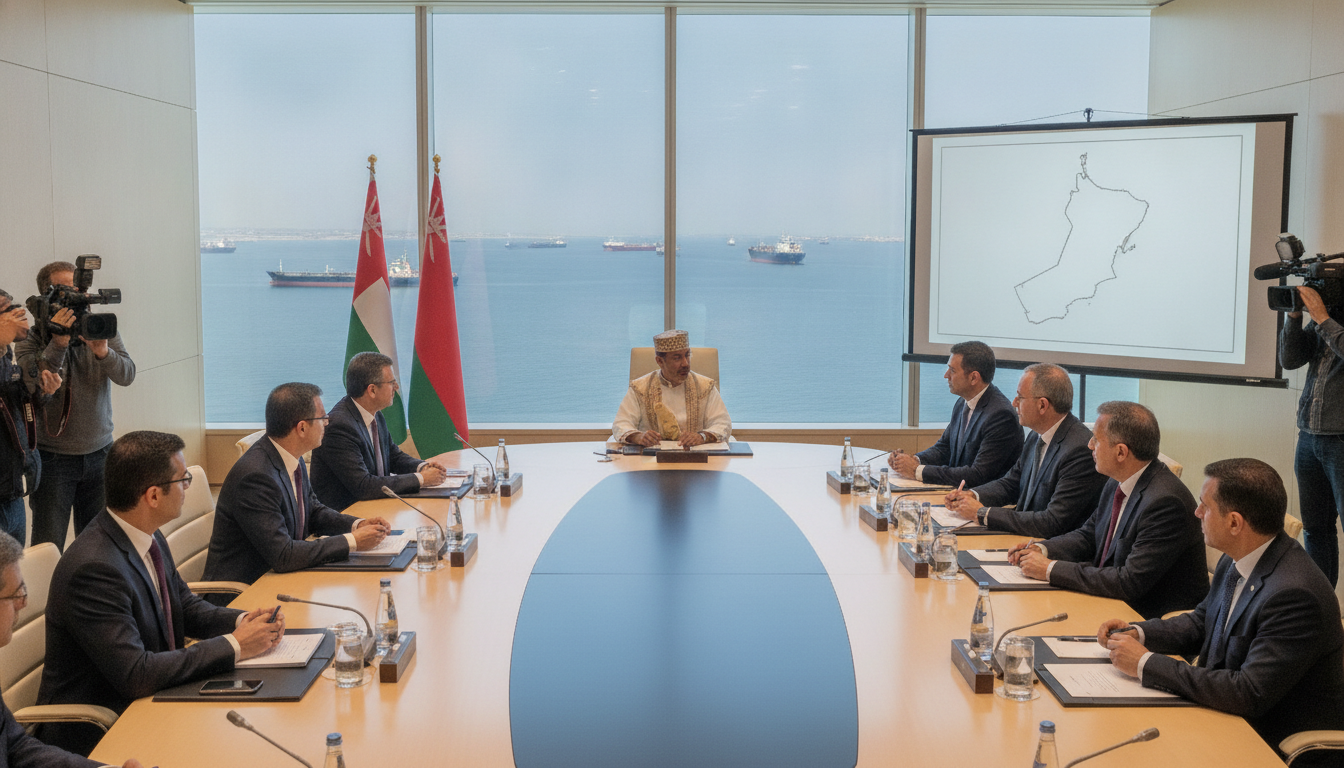
Oman offers Malacca-style plan for Strait of Hormuz as Iran resists equal division
Oman proposes a Malacca-style mechanism for the Strait of Hormuz with voluntary fees; Iran resists equal division as regional talks seek to resume shipping.
The Sultanate of Oman has presented Iran with a proposal to establish a regional management mechanism for the Strait of Hormuz designed to reopen and regulate shipping, officials said. The plan, modelled on arrangements used in the Strait of Malacca, would see vessels contribute voluntary fees to fund navigation, environmental protection and search-and-rescue services. Oman’s initiative comes as the strategic waterway, which handles a significant share of global energy shipments, remains disrupted by the wider US-Israel war on Iran that began on February 28, 2026.
Oman’s Malacca-style proposal
Oman’s draft would create a multilateral framework for transit in the Strait of Hormuz where fees are voluntary and dedicated to maritime services rather than sovereign control. Under the Malacca precedent, neighbouring states coordinate contributions to maintain safe navigation while avoiding claims of exclusive authority over transit lanes. Omani officials have said the approach carries regional backing and aims to restart commercial flows without ceding final oversight to any single coastal state.
Iran’s objections and counterproposal
Tehran has signalled resistance to an equal sharing of transit control, arguing that such an arrangement would fail to address its declared security concerns, Iran’s deputy foreign minister for legal affairs told state media. Iran instead proposed a division in which Tehran would manage shipping along its side of the strait while Muscat would administer only part of the opposite lane. Iranian officials have warned they will take measures they deem necessary to maintain control if security needs are not met.
Technical disputes over lanes, fees and mine clearance
Negotiators remain divided on several operational points, including the exact trajectories of permitted lanes, the level and administration of any fees, and responsibility for mine clearance. Iranian sources have said mine clearance would fall to Tehran, a stipulation that other Gulf states view with caution given the wider security context. Analysts note that Tehran has reportedly floated a per-ship “service fee” figure far higher than the voluntary contributions under the Malacca model, complicating prospects for swift compromise.
Regional diplomatic activity and GCC engagement
Gulf Cooperation Council foreign ministers convened by video on Tuesday to coordinate responses and discuss freedom of navigation, according to a statement from the Qatari foreign ministry. Regional mediators have pressed for a diplomatic solution to reduce the risk of further escalation and to implement earlier understandings signed in June 2026 intended to facilitate a phased resumption of shipping. The talks reflect a wider push by Gulf states to stabilise transit through the waterway while protecting national security interests.
International reactions and U.S. military posture
The United States, which had conducted a near two-week campaign of air strikes, paused offensive operations after pressure from regional intermediaries to return to the June 2026 memorandum of understanding that would enable shipping to resume. Washington has emphasised the need for maritime security and open sea lanes, while calls from maritime industry groups warn of prolonged disruption to global energy and commodity markets if commercial transit cannot be restored. International shipping insurers and operators are closely monitoring diplomatic developments that would affect route availability and costs.
Economic stakes and potential costs for shipping
The Strait of Hormuz carried an estimated one-fifth of global energy supplies before the conflict-related closures began, making the resumption of regular transit a critical economic priority for many states. Under the Malacca-style example, voluntary contributions amount to tens of millions of dollars annually, a fraction of some of the fee levels reportedly contemplated in recent proposals for Hormuz. Any imposed or effectively mandatory charges could raise costs for shippers, increase insurance premiums and prompt vessels to reroute around Africa, prolonging delivery times and expenses.
Analysts’ assessments and political obstacles
Regional experts and international observers caution that the success of Oman’s proposal will depend on Iran’s internal political dynamics and the willingness of hardliners to accept shared arrangements. Georgetown University professor Paul Musgrave described the initiative as constructive but said it may face resistance from elements in Tehran opposed to relinquishing unilateral control. Observers also note that even a technically workable scheme would require robust verification, demining, and impartial governance to gain industry confidence.
Possible roadmap and next steps
Diplomats say talks between Oman and Iran are proceeding “step by step,” with continued mediation aimed at narrowing differences before wider regional endorsement, sources reported. Key issues to resolve include the precise legal status of any mechanism, the methodology for collecting and allocating fees, and guarantees for deconfliction and mine clearance. Gulf states and external partners have stressed the importance of returning to the June 2026 memorandum as a baseline for phased reopening.
The outcome of the talks will shape whether international shipping can resume regular traffic through the Strait of Hormuz without recurrent interruptions, and will test whether a regional, fee-supported model can reconcile competing security claims while restoring a vital artery of global trade.
