
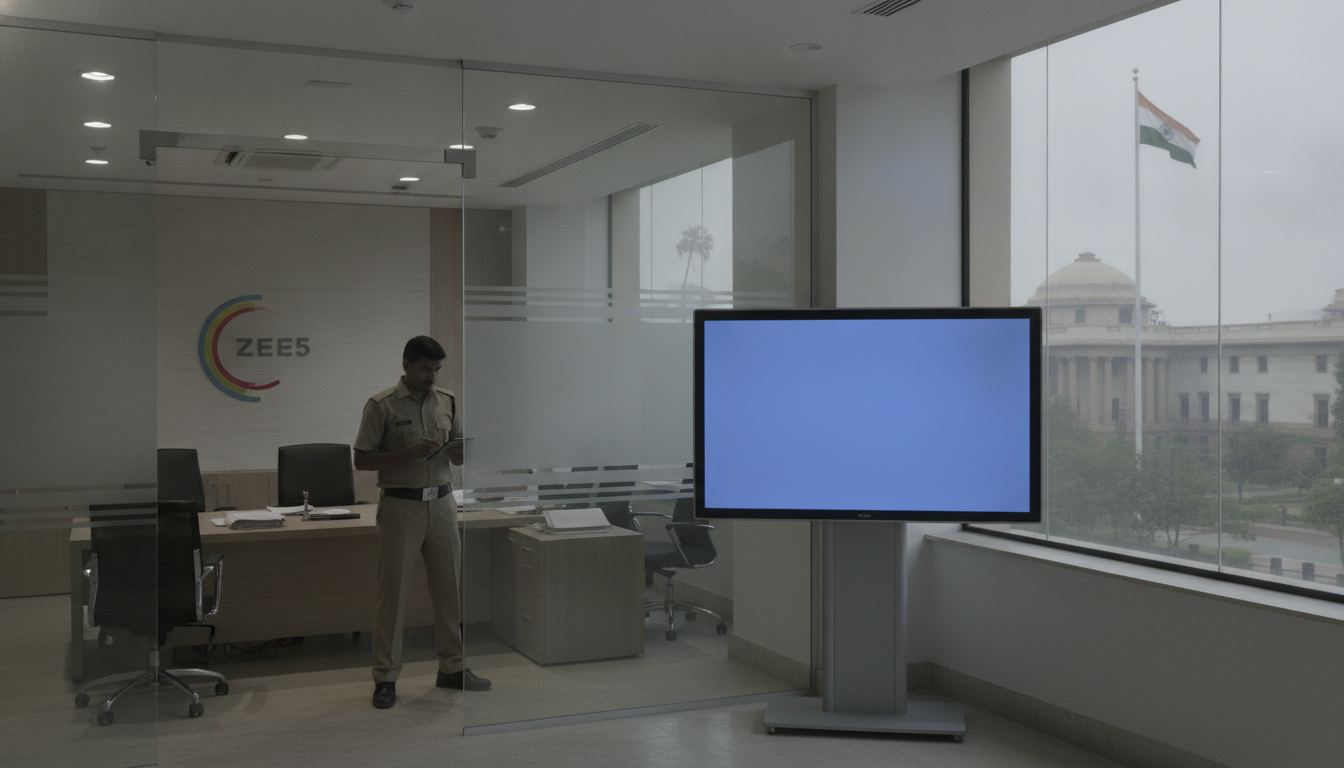
Satluj streaming ban sparks probe as India weighs security and censorship over Khalra biopic
India opens inquiry after ZEE5 removed the Satluj film about human rights activist Jaswant Singh Khalra, amid demands for cuts and a disputed censorship decision.
The Indian government has launched an inquiry into the streaming removal of Satluj, a feature film about Jaswant Singh Khalra, after the ZEE5 platform pulled the biopic 48 hours following its July 3 release. The film, which dramatizes Khalra’s investigation into thousands of alleged disappearances in Punjab during the 1980s and 1990s, was previously held up by the national censor board and released online only after the producers refused mandated edits.
Film recounts Khalra’s probe into secret cremations
Satluj, directed by Honey Trehan and starring Diljit Dosanjh as Jaswant Singh Khalra, runs nearly three hours and traces Khalra’s work uncovering municipal cremation data and alleged police-led disposals of unidentified bodies. The movie portrays his efforts to locate relatives of the disappeared and the risks he encountered as he publicised evidence suggesting systematic abuses during a counterinsurgency campaign.
Khalra’s real-life disappearance in September 1995 — his detention by security forces and the absence of a recovered body — is a central element of the film’s narrative. Satluj frames those events alongside the broader political turmoil in Punjab at the time, placing a human-rights inquiry at the centre of a contentious historical record.
Censor board ordered cuts and a name change
The film’s path to audiences has been fraught. Authorities initially blocked the project, requiring a title change from Punjab 95 to Satluj and proposing almost 130 cuts before granting a theatrical certificate. Filmmakers rejected the extensive alterations, arguing they would strip the work of crucial context and documentary value.
Faced with stalled theatrical distribution, the producers released Satluj on ZEE5 on July 3. Platform executives later said they had taken the film down “until further notice” because of unfolding developments, a move that prompted immediate questions about the grounds and processes that led to the removal.
Government cites security concerns and sets up review panel
Officials have told local media the withdrawal was driven by security considerations, and a government committee has been formed to assess whether the film’s presence on a streaming service should continue. Reports indicate the panel has upheld the temporary ban, characterising parts of the film as contravening India’s sovereignty, though officials have offered limited public detail on the specific material that prompted the decision.
ZEE5 has said it will seek remedies “through due process” to restore the film but stopped short of contesting the security rationale in public statements. The lack of a full public explanation has intensified debate over whether the removal reflects legitimate safety concerns or an increased governmental sensitivity to portrayals of past state conduct.
Community screenings and online redistribution proliferate
Despite platform removal, Satluj has continued to circulate widely. Sikh temples, village halls, and community centres across Punjab and in diaspora communities have hosted free screenings, with attendees describing the viewings as cathartic and politically resonant. Organisers in several cities reported packed audiences and volunteers providing refreshments at improvised showings.
Users have also uploaded the film repeatedly to social media and video-sharing sites; copies often reappear within hours after takedowns. The rapid reuploading has made enforcement difficult and highlighted the resilience of community networks determined to preserve and share the film’s account of Khalra’s activism.
Historical context: Khalistan insurgency and allegations of abuses
Satluj situates Khalra’s investigation within the violent decade-long struggle around Khalistan, a separatist demand that fuelled insurgency, counterinsurgency and severe communal tensions in Punjab. The era included the 1984 military operation at Amritsar’s Golden Temple, allied retaliatory assassinations, and widespread accusations by human-rights groups of enforced disappearances, extrajudicial killings and secret cremations.
Khalra, a municipal bank employee turned investigator, purportedly used cremation registers and municipal records to estimate the scale of unaccounted disposals. His work helped spur legal inquiries and public awareness, and some police officers were later convicted in relation to his death. The film’s emphasis on this history has reopened debates about accountability, memory and the state’s role during a turbulent chapter in India’s post-independence history.
Reactions from cast, filmmakers and civil society
Cast members and the director have condemned the streaming removal while calling for avenues to show the film legally. Lead actor Diljit Dosanjh said in public remarks that the setbacks were painful but that grassroots screenings and digital sharing meant the story would reach audiences regardless. Filmmakers have framed their refusal to make the censor board’s requested cuts as a matter of preserving factual integrity.
Human-rights advocates and some independent commentators warned that restricting films about contested historical events can stifle public reckoning. Others have urged caution, stressing that depictions of violent separatism and state action can inflame tensions if presented without careful contextualisation. The government’s position, anchored in public order and security arguments, reflects these competing concerns.
Community organisers in Punjab and diaspora hubs, including Toronto and London, say the film has prompted intergenerational conversations about memory, loss and justice. Audience responses at village screenings have ranged from grief for unresolved family tragedies to renewed calls for archival transparency and continued legal inquiry.
The unfolding situation leaves several questions unresolved: whether the government panel will allow Satluj to return to ZEE5, whether filmmakers will pursue legal challenges to the censor board’s demands, and how platforms will balance security directives with creative freedom. As the debate continues, the film’s removal and the ensuing grassroots circulation have transformed Satluj from a cinematic retelling into a live flashpoint over history, censorship and the right to remember.
