
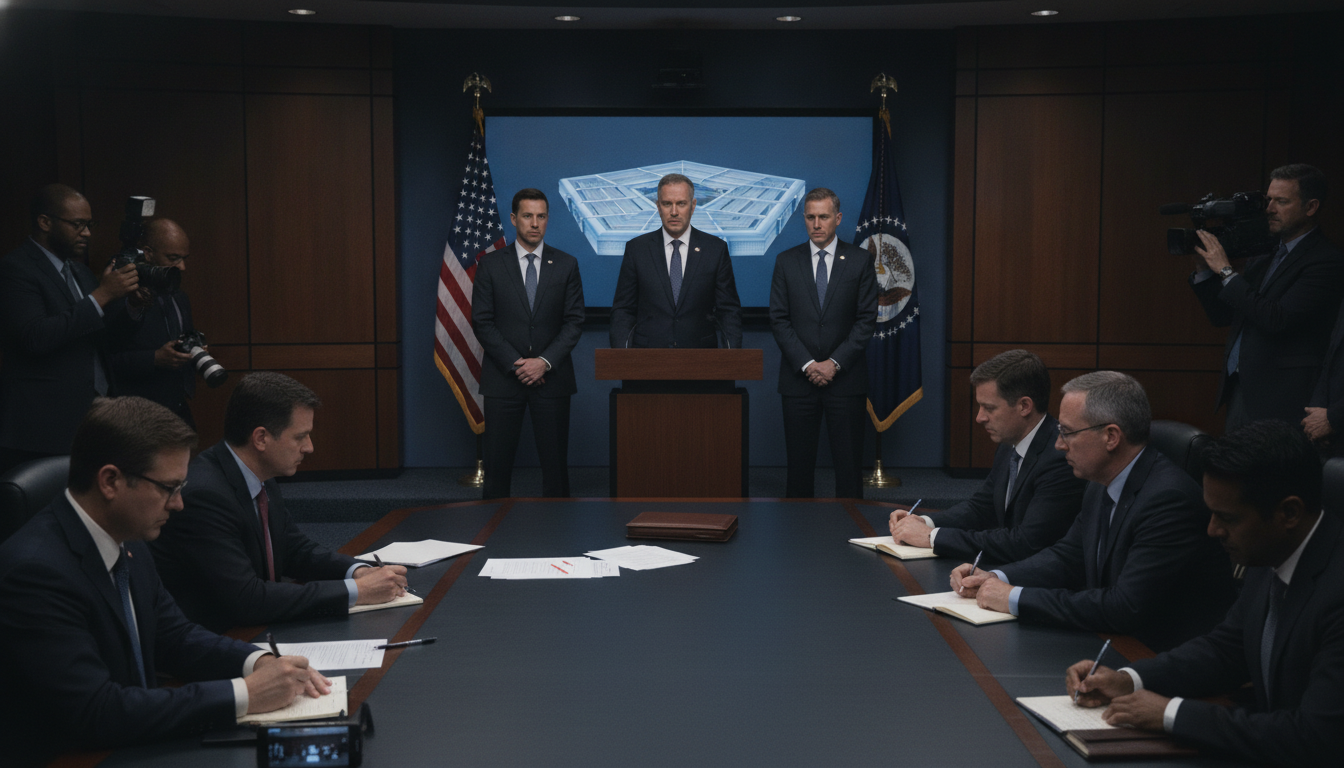
Iran attack in Jordan kills two U.S. soldiers as Pentagon acknowledges earlier undisclosed strikes
Two U.S. soldiers were killed in an Iran attack in Jordan, and U.S. military officials say three earlier strikes in the week also wounded dozens and damaged helicopters. The Pentagon has not previously disclosed the earlier incidents, raising fresh questions about public reporting and operational secrecy in the widening Iran conflict.
Attack Kills Two U.S. Soldiers in Jordan
The most recent strike on Friday killed two U.S. service members and left another missing, U.S. officials said. The attack followed a series of strikes in Jordan during the preceding week that have only now been acknowledged by some U.S. sources. Central Command confirmed wounded service members were treated in Jordanian hospitals and some returned to duty, but it did not provide a full accounting of earlier casualties.
Earlier Undisclosed Strikes Injured Dozens
According to multiple U.S. officials speaking on condition of anonymity, three separate strikes in the week before Friday’s attack injured dozens of American troops and damaged multiple helicopters. Those officials said the injuries ranged from minor wounds to cases requiring hospital care, and that at least some aircraft sustained operational damage. The Pentagon had not publicly disclosed those prior strikes before officials speaking to reporters detailed the incidents.
Pentagon Cites Operational Security for Withholding Details
Military leaders have defended limited public disclosure by citing operational security concerns, saying detailed reporting could help adversaries refine future strikes. Officials noted Central Command has curtailed some routine updates, including daily counts of Iranian sites struck, to avoid revealing patterns of movement and response. Pentagon spokespeople have emphasized the tension between transparency and safeguarding troops and assets in a fluid conflict environment.
Casualty Reporting Rules and Numbers
Pentagon protocols require a 24-hour period after next-of-kin notification before publicly naming deceased service members, but they do not routinely identify those wounded who return to duty. Central Command has said more than 400 U.S. service members have been injured in the wider Iran conflict to date, though the Pentagon has paused near-real-time updates of that total in recent weeks. The two deaths on Friday bring the U.S. military’s reported combat fatalities in the campaign to 16 since strikes began against Iran on Feb. 28, according to military tallies provided to reporters.
Strategic Context and Military Operations
U.S. officials framed recent retaliatory airstrikes against Iranian military facilities as responses to attacks on commercial shipping and threats to regional stability, while omitting explicit references to strikes on bases in Jordan. Analysts say the shift in public messaging reflects a broader recalibration of how the Pentagon balances strategic signaling with force protection. At the same time, officials acknowledge Iran has retained and rebuilt substantial missile and drone capabilities that complicate U.S. force posture across the Middle East.
Statements from U.S. Leaders and Next Steps
In brief public comments, the president described the slain troops as having died “in service of our country” and reiterated a central war objective of preventing Iran from acquiring a nuclear weapon. Senior defense officials said the losses would harden U.S. resolve, even as details of operational plans and the scope of ongoing strikes remain tightly controlled. Central Command’s recent statements confirmed that some wounded were discharged from Jordanian hospitals and others returned to duty, but they did not enumerate all injuries tied to the previously undisclosed strikes.
The episode highlights a recurring dilemma for governments at war: how much information to share with the public about battlefield losses and the tempo of operations while seeking to deny adversaries actionable intelligence. Military leaders argue that disclosing the timing, location or effects of strikes could assist Iran in tailoring attacks against U.S. bases and aircraft, a risk they say justifies tighter control of public messaging.
Beyond immediate operational concerns, the limited reporting has political and public accountability implications. Families of service members and lawmakers pressing for oversight have sought clearer briefings on troop safety, equipment losses and the long-term demands the campaign places on U.S. military resources. Critics contend that sustained secrecy can erode public trust in the conduct of the war and obscure the true human and material cost.
As the conflict continues, Central Command and the Pentagon face pressure to reconcile force-protection requirements with the public’s right to know about American casualties and the conduct of military operations. For now, officials have signaled they will continue to restrict certain categories of information while providing selected updates on injuries and fatalities as required by protocol.
The situation remains fluid, with U.S. commanders and policymakers weighing the risks of additional disclosures against the strategic need to protect troops and operational capabilities, even as families and the public seek fuller transparency about the war’s toll.
