
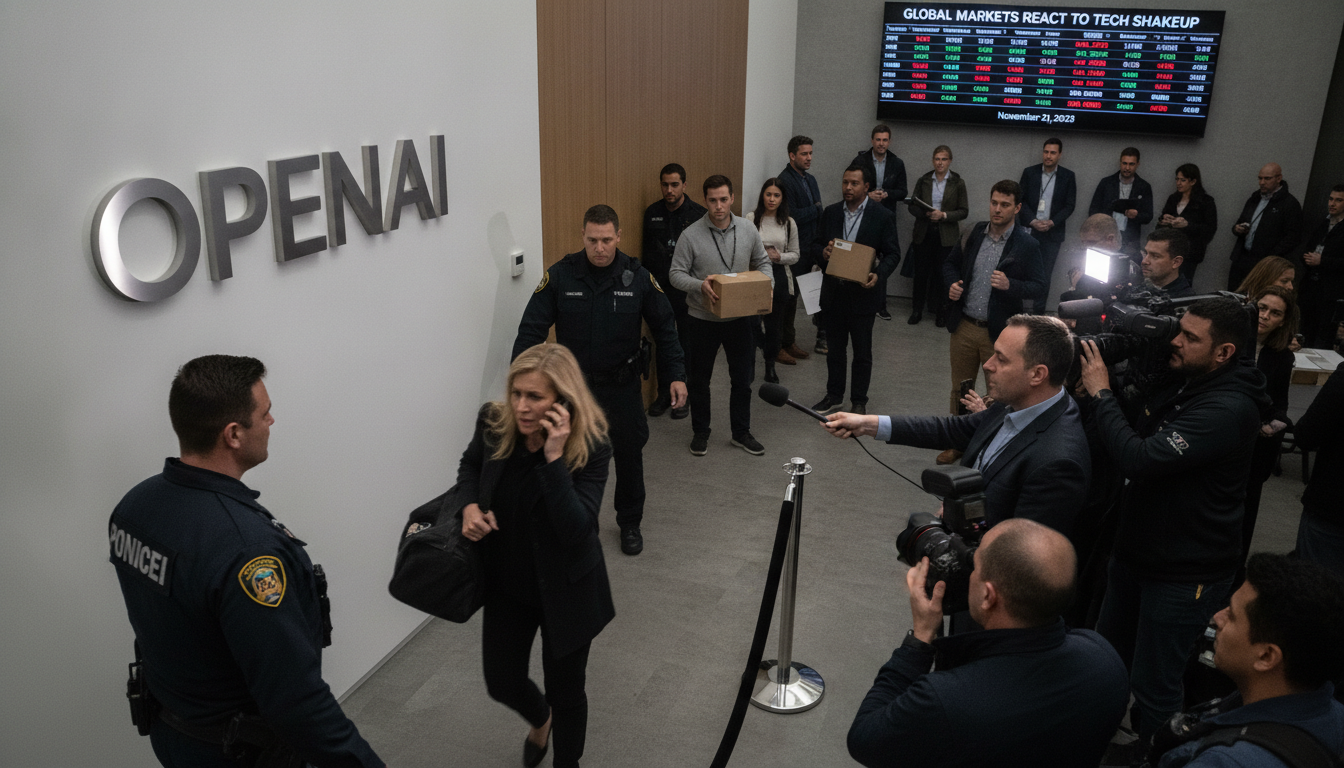
OpenAI IPO Faces Scrutiny After Executive Dresser Departs Amid Managerial Turnover
OpenAI IPO faces fresh scrutiny as executive Dresser departs while the company continues preparations for a public offering, amid a broader wave of managerial exits in recent months. The move adds pressure to a company navigating internal change as it moves toward a high-profile market debut. Stakeholders are watching for signs of disruption to timing, governance and personnel stability.
Executive Departure During IPO Preparations
The departure of Dresser comes at a sensitive moment while OpenAI is preparing for an initial public offering. Company officials have not publicly connected the exit to the timing of the IPO, but departures of senior staff during an offering often invite closer investor and media scrutiny.
Insiders say the exit is part of a string of leadership changes that have unfolded across the business. Observers note that repeated senior departures can complicate messaging to underwriters, potential investors, and regulators as an offering progresses.
Pattern of Senior Exits
In the past months several managers have stepped away from the company, signaling broader personnel churn. The cumulative effect of those exits has shifted leadership responsibilities and created gaps that require rapid internal realignment.
Such patterns can reflect a range of factors, from strategic disagreements to normal turnover in a fast-scaling tech firm. Nevertheless, concentrations of senior departures at once tend to generate questions about continuity and institutional readiness for life as a public company.
Potential Impact on IPO Timeline
An IPO preparation timeline depends heavily on stable executive leadership and clear regulatory disclosure practices. A high-profile exit can complicate draft prospectuses and require updates to risk disclosures, potentially affecting the offering schedule.
Underwriters and board members typically prefer clarity around management plans before confirming pricing and timing. Any delays tied to filling roles or addressing governance concerns could influence investor appetite and market reception.
Governance and Board Oversight Questions
Leadership transitions often prompt closer examination of corporate governance structures and board oversight. Investors and analysts typically seek reassurance that succession plans and decision-making processes are robust ahead of a public listing.
OpenAI’s internal response to departures — including interim assignments and the pace of permanent hires — will be watched as indicators of governance resilience. Clear, timely communication from the company can mitigate uncertainty and help preserve confidence among prospective shareholders.
Internal Culture and Staff Sentiment
Repeated managerial exits can affect staff morale, recruitment and retention, particularly at firms scaling rapidly. Employees may interpret turnover in different ways, from concern about strategic direction to confidence that new leadership will open opportunities for advancement.
Company leadership faces the task of balancing transparency with operational continuity to maintain productivity during the transition. Effective internal communication and visible steps to stabilize leadership roles are central to preventing disruption to key projects and product roadmaps.
Market and Investor Reaction
Investors evaluate an IPO on fundamentals, growth prospects, and leadership stability, among other factors. News of executive departures will likely be absorbed into broader assessments of the company’s readiness to operate under the public markets’ scrutiny and regulatory demands.
Market sentiment can shift quickly around personnel stories, but long-term investor judgments tend to rest on revenue trajectory, competitive positioning and governance improvements. How OpenAI addresses the departures and articulates a path forward will influence investor confidence as the IPO process continues.
The coming weeks will be pivotal for OpenAI as it works to fill leadership gaps and finalize its public offering preparations. Observers will watch for staffing announcements, governance clarifications, and any adjustments to timetable that signal the company’s capacity to navigate this period without undermining its IPO objectives.
