
Noise restrictions threaten late-night live music, operator warns of lost revenue
New municipal noise restrictions risk limiting loud music after midnight, industry leaders say, jeopardizing late-night business revenue and jobs across venues.
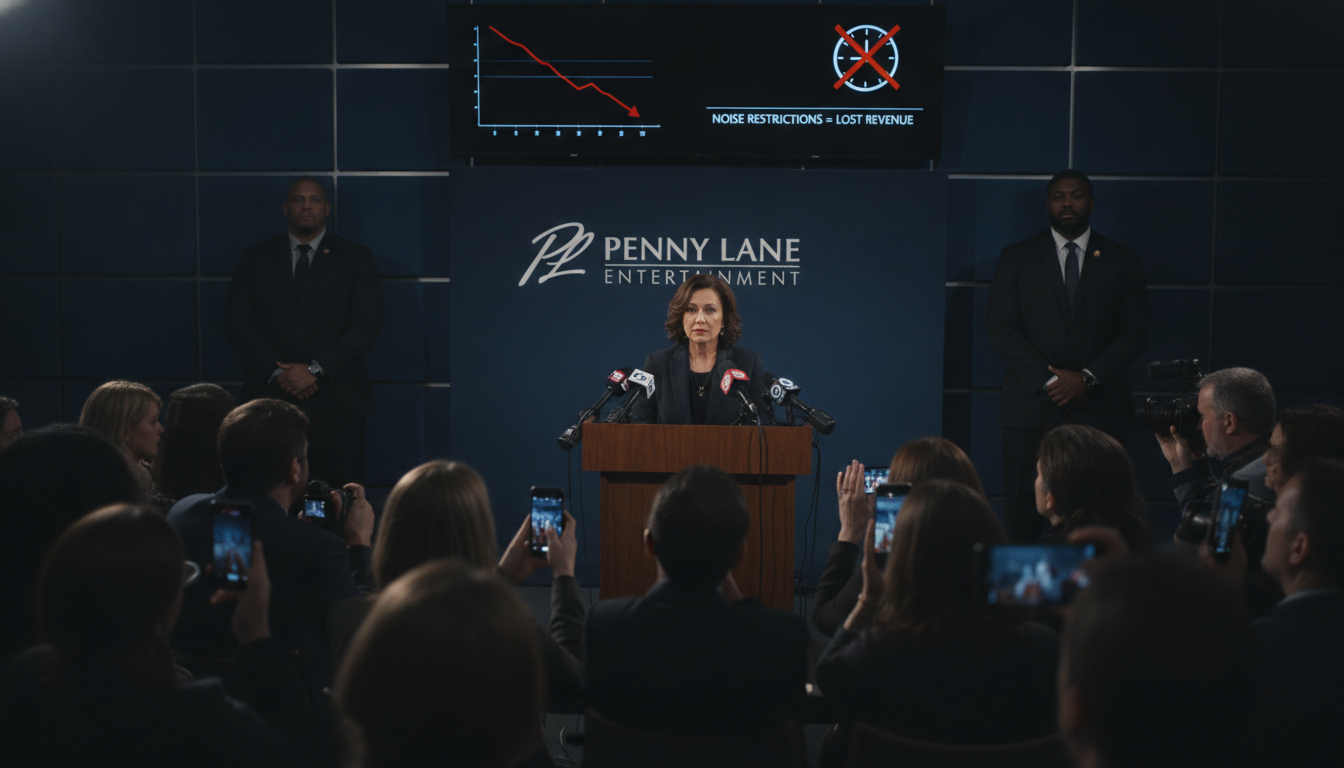
These noise restrictions will significantly reduce venues’ ability to offer loud music after midnight, according to Paul Vickers, president of Penny Lane Entertainment, which operates Cowboys Dance Hall and Casino. Venue operators warn the rules will cut peak-night revenues and reduce hours for performers and staff. Local entertainment leaders say the change could force program cancellations, fewer bookings and unexpected layoffs if no mitigation is offered.
Operator warns of curtailed late-night programming
Paul Vickers, whose company runs multiple nightlife venues, described the limits as a direct threat to the business model that supports midnight and post-midnight performances. Operators say the most profitable hours for dance halls, concert promoters and late-night bars occur after 11:00 p.m., and restricting loud music will make many events economically unviable. Managers expect fewer headline acts and a sharp decline in ticket sales for late-night shows if the restrictions remain in place.
Projected financial impact on venues and employees
Business owners note that late-night operation produces a disproportionate share of weekend revenue, including cover charges, beverage sales and event fees. Reduced income from curtailed hours would not only hit owners but also servers, bartenders, security personnel and musicians who rely on those shifts. Industry representatives warn that smaller independent venues, which often operate on thin margins, are especially vulnerable to sustained revenue declines.
Effect on local music scene and cultural life
Artists, promoters and regular patrons argue that limiting loud music after midnight risks eroding the city’s live-music ecosystem. Nighttime performances provide exposure for emerging acts, rehearsal income for touring bands, and an entry point for local audiences to discover new music. Critics of the restrictions say there is a broader cultural cost if nightlife is narrowed to earlier hours and fewer venues can afford to program live acts.
Regulatory rationale and public concerns
Municipal officials advancing noise restrictions typically point to complaints from residents about late-night disturbances and seek to balance residential quiet with commercial activity. Supporters of stricter rules argue they improve neighbourhood livability, reduce late-hour conflicts and respond to community petitions. Opposition from the entertainment sector centers on the speed and scope of implementation and the perceived lack of tailored solutions for commercial districts and established entertainment zones.
Industry calls for mitigation and compromise measures
Venue operators are urging policymakers to consider targeted approaches such as time-limited exemptions, clearer enforcement windows, or support for acoustic retrofitting. Business leaders say investments in soundproofing and graduated decibel thresholds could limit disturbance while preserving late-night programming. They also want clearer communication and transition periods to allow venues to adapt contracts, bookings and staffing plans without immediate financial shock.
The debate over noise restrictions highlights a broader tension between urban residential needs and the economic and cultural value of a vibrant nightlife. As discussions continue, entertainment operators are preparing contingency plans to protect staff and artists while pressing for adjustments that recognize the unique operational realities of late-night venues.
