
Marshawn Kneeland CTE Diagnosis Confirmed by Boston University After 2025 Death
Boston University confirms former Dallas Cowboys defensive end Marshawn Kneeland had early-stage CTE after his 2025 death, and his family urges awareness.
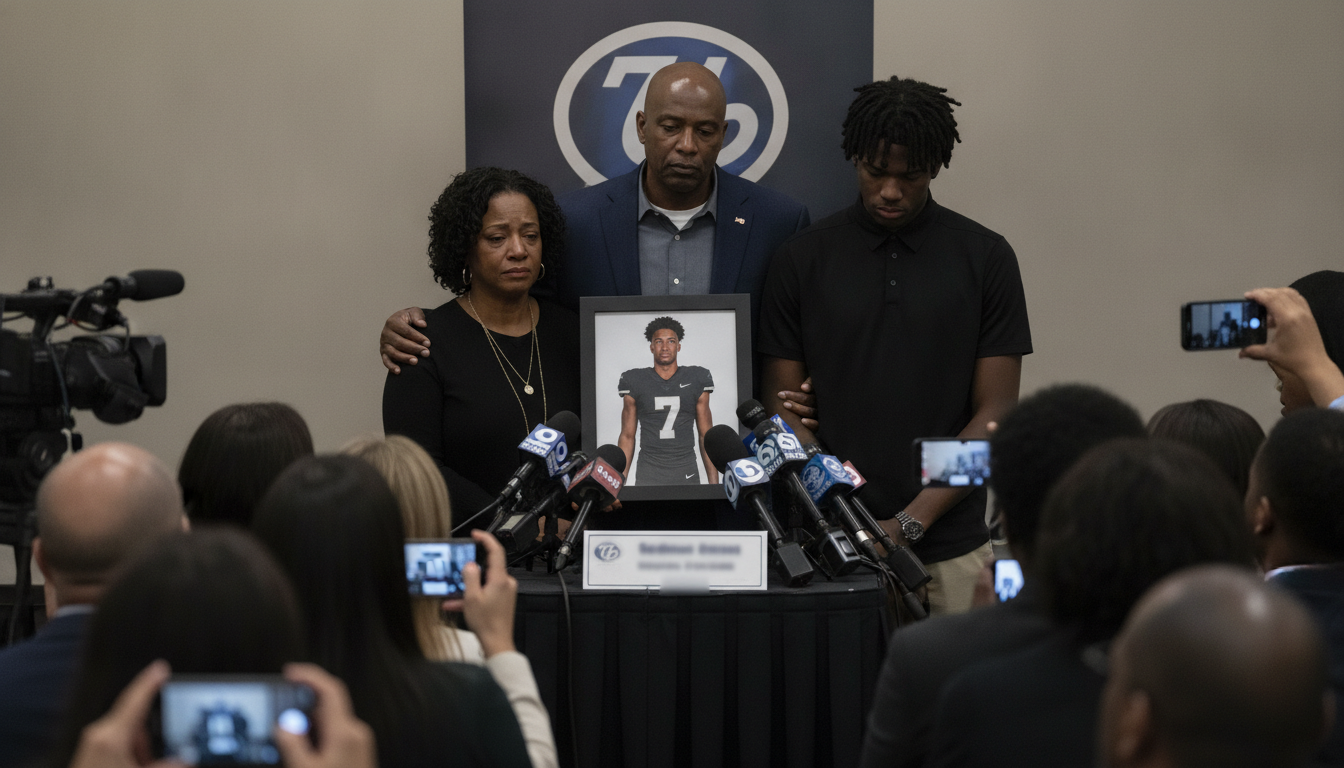
Marshawn Kneeland’s family announced that the Boston University CTE Center found early-stage chronic traumatic encephalopathy in the 24-year-old’s brain, providing new context for the athlete’s struggles before his death. The diagnosis, classified as stage one of four, was determined after posthumous analysis of Kneeland’s brain tissue. The family said they are sharing the finding to raise awareness of repetitive head trauma in high-contact sports.
Boston University CTE Center issues findings
The Boston University CTE Center, a leading research body on repetitive brain injury, examined Kneeland’s tissue and concluded he had stage one CTE. Researchers conveyed that this level signals early pathological changes linked to repeated head impacts, but not necessarily advanced dysfunction. The center’s determination follows established protocols used in CTE research and is consistent with how the disease is diagnosed only after death.
Sequence of events before Kneeland’s death
Kneeland died by suicide in November 2025 after a police pursuit that began over an alleged traffic violation, according to law enforcement accounts. Authorities said his vehicle was later found crashed and that he fled the scene on foot; dispatch records indicate friends and acquaintances received a group message in which Kneeland appeared to say goodbye. The trajectory of the incident has drawn renewed attention because the family and experts link the diagnosis to behavioral and mood symptoms sometimes associated with repetitive brain trauma.
Family statement emphasizes context and remembrance
In a statement issued through the Concussion & CTE Foundation, Kneeland’s family said the diagnosis does not alter the tragedy of his death but helps explain some of the challenges he may have faced. They asked the public to remember him for his life and not define him by his final moments, adding that raising awareness about the risks faced by athletes in contact sports is a priority. The family’s public release underscores a growing trend of relatives disclosing posthumous CTE findings to foster broader conversation.
Experts say modern protocols do not eliminate CTE risk
Chris Nowinski, chief executive of the Concussion & CTE Foundation, noted that Kneeland’s diagnosis arrived despite the modern era’s concussion protocols and improved protective equipment. Nowinski emphasized that concussion management does not equate to prevention of CTE, which researchers link to the cumulative number and force of head impacts rather than only clinically recognized concussions. He and other specialists have urged systemic changes aimed at reducing the frequency and severity of head contacts at all levels of football and other collision sports.
Kneeland’s football background and health implications
Kneeland began playing tackle football as a child and advanced through high school and college to become a second-round pick in the 2024 NFL draft after starring at Western Michigan University. Medical researchers and advocates point to lengthy exposure to contact in youth, collegiate, and professional play as factors that can contribute to long-term brain changes. A 2021 study by researchers at Harvard Medical School and the Boston University CTE Center found that NFL players faced elevated rates of certain neurological diseases, a statistic experts cite when discussing prevention and research priorities.
Calls for research, prevention and player support
The family and medical leaders have framed the announcement as a call to action for improved CTE prevention, more robust research into diagnostics during life, and expanded mental health support for players. Advocates argue that early identification of behavioral changes and stronger safety measures could help mitigate the risk of tragic outcomes. Officials with advocacy organizations say policy shifts, rule changes, and investment in safer technologies are needed alongside better access to mental health services for current and former athletes.
If you or someone you know is struggling with thoughts of self-harm or suicide, reach out to local emergency services or a trusted health professional immediately; national and regional helplines and crisis services are available in many countries to provide confidential support.
