
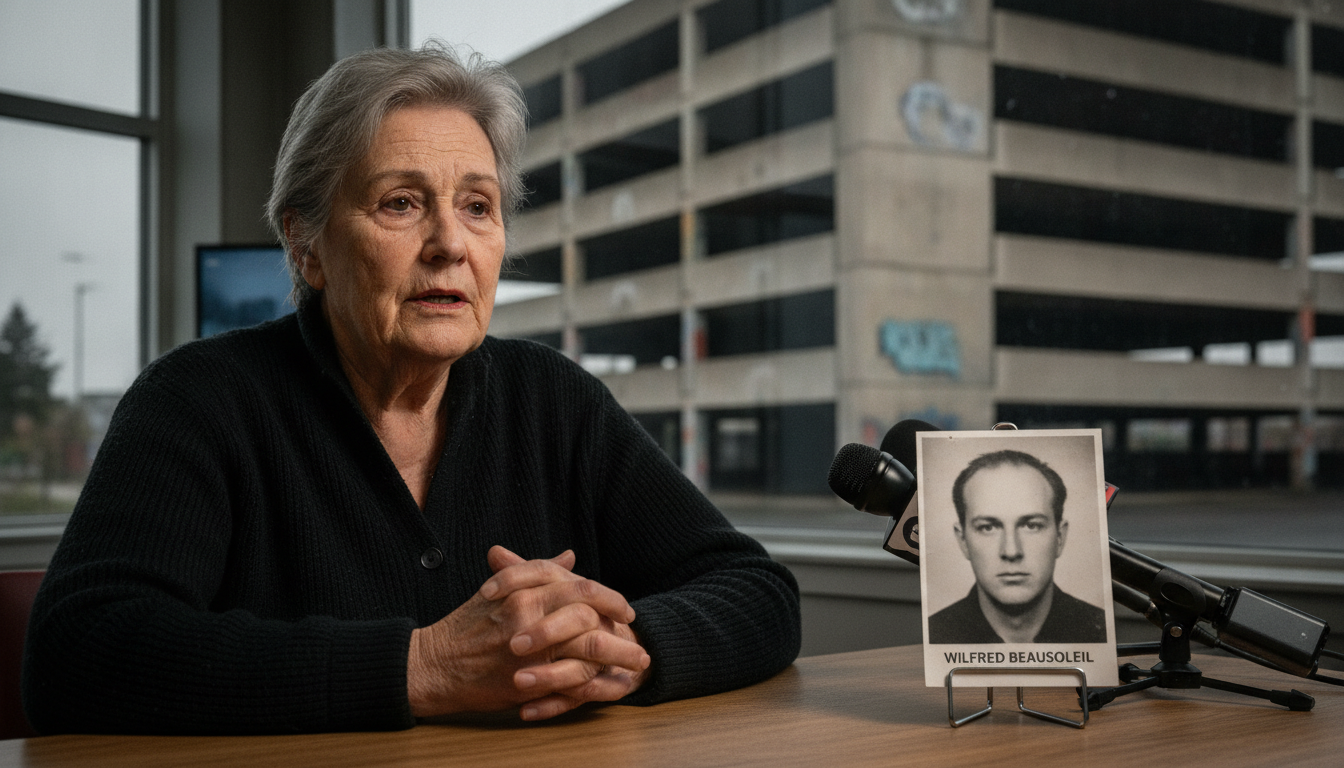
Lancaster Terrace rape survivor recounts 1981 parkade attack by man identified as Beausoleil
A woman has come forward with a detailed account of the Lancaster Terrace rape that occurred on Sept. 18, 1981, saying the attacker forced her to the floor in the apartment complex’s underground parkade and raped her, leaving her with a broken finger and decades of trauma.
Attack in Lancaster Terrace parkade
The incident took place on the evening of Sept. 18, 1981, in the underground parkade of the Lancaster Terrace apartment complex, the woman recounted. She said Beausoleil, now 71 years old, grabbed her, tore her clothing and began to kiss and fondle her before ordering her to the floor while claiming he had a knife. According to the account, the assault culminated in rape and caused a broken pinky that the survivor says has remained a lasting physical reminder.
Immediate physical injuries and psychological effects
Beyond the broken pinky, the survivor described ongoing psychological harm that has persisted for decades following the attack. She told investigators and reporters that she still experiences nightmares and intrusive memories tied to the night in the parkade. Those long-term effects are consistent with research on sexual assault survivors, who frequently report chronic anxiety, sleep disturbances and lasting emotional distress.
Sequence of events as described by the survivor
In her account, the attack began with an ostensibly nonviolent contact that rapidly escalated after the assailant used force and threats to control her movements. The woman said the assailant’s claim to possess a knife forced her compliance and increased the severity of the assault, according to the details she provided. The chronology she gave — grabbing, tearing of clothing, unwanted kissing and fondling, followed by coercion to the floor and rape — is the central narrative of the reported incident.
Available investigative and public-record information
The material provided with the survivor’s account did not include comprehensive public records or a citation of subsequent court outcomes, and no official investigative timeline was released alongside the narrative. Details such as police response time, evidence collected at the scene and any charges filed were not included in the information the woman shared. As a result, the public record available within this report is limited to the survivor’s detailed recollection of the attack and its immediate consequences.
Legal status and questions about accountability
The account does not specify whether formal charges were laid, whether the matter proceeded to trial, or whether any conviction was reached in relation to the Lancaster Terrace rape described by the survivor. Without confirmed court documents or statements from law enforcement in the public materials provided, the status of any legal proceedings remains unclear. Those seeking verification of prosecutorial or judicial outcomes typically consult police records and court dockets to determine whether a case led to arrest, charge, conviction or acquittal.
Safety concerns for apartment parking facilities
The survivor’s description of an assault in an underground residential parkade highlights ongoing safety concerns shared by residents and advocates about low-light, low-traffic areas on private property. Security experts and victim-service organizations commonly recommend better lighting, improved surveillance, controlled access and clearer reporting channels for complexes to reduce risk and to ensure faster response when incidents occur. For tenants and building managers alike, incidents like the one described underscore the need to review physical security measures and emergency contact procedures.
The woman’s account of the Lancaster Terrace rape in September 1981 is a stark reminder of the enduring impact of sexual assault and the gaps that can exist between an allegation and the publicly available record of investigative or legal follow-up. Her physical injury and the decades of psychological distress she reports speak to the long-lasting consequences for survivors.
