
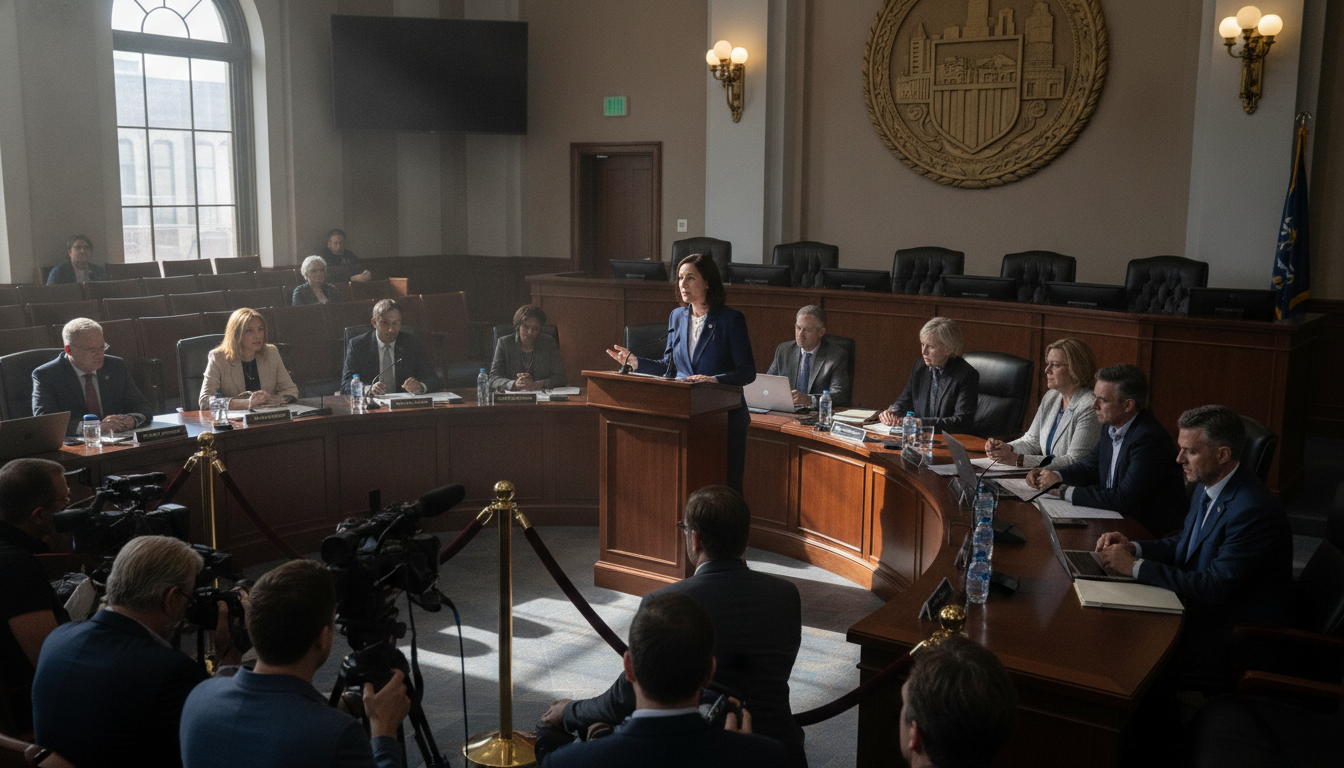
Potential Human Remains Prompt Calls for Transparency in City Procedures
Potential human remains at a city site have prompted calls for greater transparency after an official said investigators have identified material that could indicate human remains and must be handled with care. Stevenson said the city maintains rigorous procedures for such situations, but those protocols are not publicly available at present. The revelation has sparked questions about how municipal agencies balance investigative confidentiality with public accountability.
Investigation identifies possible human remains
City officials confirm that investigators are treating the discovery as potentially involving human remains while forensic and public safety teams assess the scene. Stevenson emphasized the need for "utmost focus and delicacy" in handling evidence that could be human in origin, underscoring the sensitivity of the situation.
Authorities have not released detailed findings about the nature of the material or the specific location involved, citing investigative protocols and the need to protect the integrity of a possible forensic inquiry. Officials say the work is ongoing and that any confirmation of human remains would trigger additional investigative and notification procedures.
City procedures described as rigorous but private
Stevenson told reporters that the municipality has established procedures for handling possible human remains and related scenes, and that those protocols are rigorous. He also noted that those procedures are not publicly available at this time and suggested there is no obvious barrier to making them accessible.
The admission that procedures exist but are not disclosed has raised questions among residents and advocacy groups about transparency and public oversight. Municipal leaders must weigh operational security against citizens’ expectations for information on how sensitive situations are managed.
Rights, sensitivity and the need for careful handling
Experts and community advocates say handling potential human remains requires both technical expertise and sensitivity to families and the public. Standard practice involves securing the site, limiting access to trained personnel, and working with coroners or medical examiners to confirm identity and cause of death when remains are verified.
Stevenson’s remarks that the matter must be treated with "utmost focus and delicacy" reflect concerns about preserving evidence and protecting those affected by a possible death. Victims’ relatives and community groups typically expect respectful communication and timely updates when human remains are involved.
Calls for public access to protocols
Civil liberties groups and some councillors have called for the city to publish its procedures for handling potential human remains so the public can understand safeguards and accountability measures. Advocates argue published protocols would build trust and clarify when information can or cannot be released during active investigations.
City officials have in the past cited operational reasons for withholding procedural documents, saying premature disclosure can hamper investigations or jeopardize evidence. The current disclosure by Stevenson — that procedures exist but are not public — has renewed debate about whether a summarized version could be released without compromising ongoing work.
Operational steps and interagency coordination
When potential human remains are detected, authorities typically coordinate among police, coroners, forensic teams and, where relevant, provincial or federal agencies. Securing the scene, preserving evidence, and arranging forensic examination are priority tasks in the early stages of any such response.
Stevenson indicated that relevant municipal teams are active and that the city’s internal procedures guide their actions. Officials say any confirmation of human remains will prompt standard notification protocols to next of kin and appropriate legal processes.
What investigators say will come next
Officials have not provided a timetable for concluding the initial assessment or for releasing additional details, but they say the investigation will proceed according to established protocols. Stevenson suggested the city could consider making procedural documents public in the future, noting there is "no reason why they can’t be" accessible, from his perspective.
Meanwhile, investigators continue to work at the scene and to consult with forensic specialists as required. Residents seeking updates are being asked to rely on official communications rather than unverified reports, while authorities balance transparency with investigative integrity.
Public concern over the handling of sensitive discoveries like potential human remains is understandable, and municipal leaders face competing obligations to protect ongoing investigations and to maintain public trust. As the inquiry advances, officials have signaled a possible openness to sharing procedural information once it does not impede forensic work or legal requirements.
