
Houthi attack on Marib kills two and injures 14 as Yemen government demands protection for civilians
Two civilians killed and 14 injured in Houthi attack on Marib, Yemen, as hospitals raise alert and government urges action to protect displaced residents.
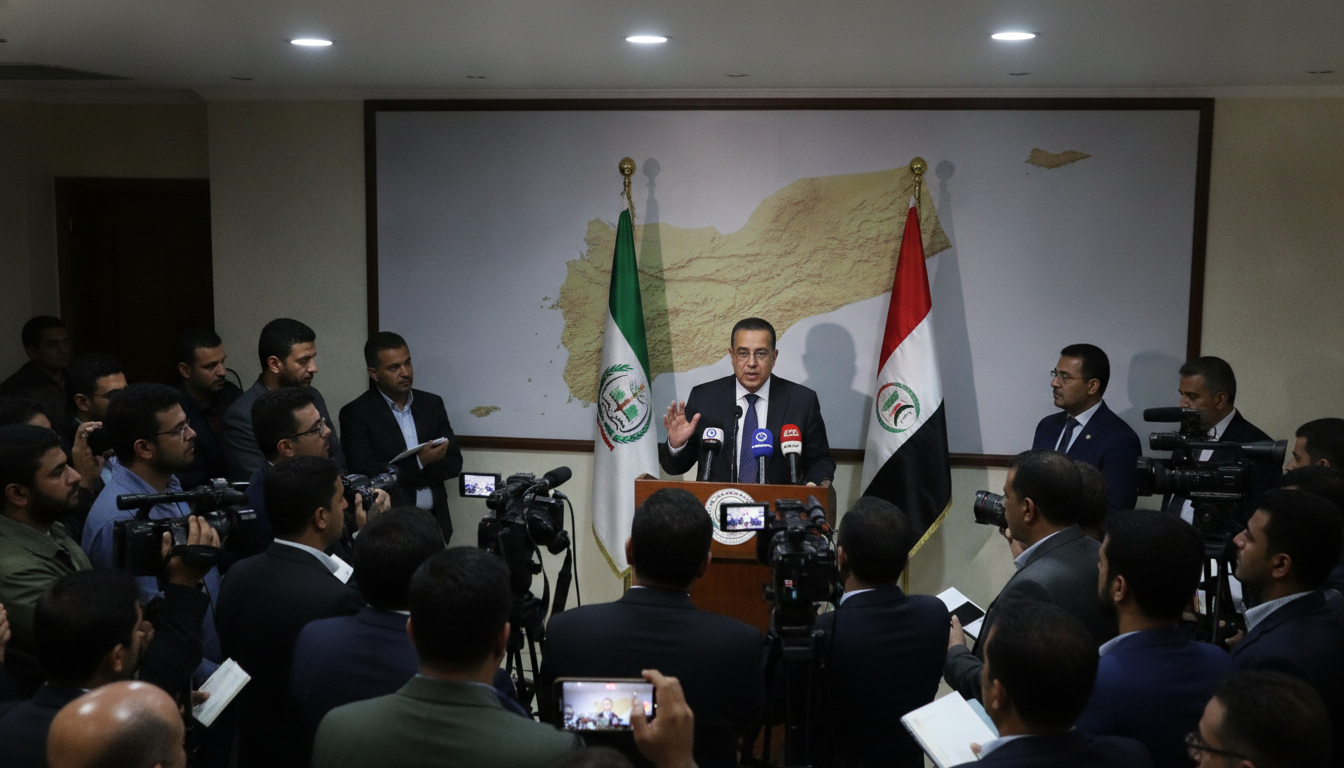
The internationally recognised Yemeni government said at least two civilians were killed and 14 others wounded in a Houthi attack on Marib on August 7, 2026. Yemen’s health minister, Qassem Bahaibah, described the Iran-aligned Houthis as a “terrorist militia” and said casualty figures were preliminary as hospitals raised levels of alert across the city. The government issued a formal condemnation, accusing the Houthi forces of deliberately striking residential neighbourhoods and camps for displaced people.
Health ministry details casualties and hospital response
Yemen’s Ministry of Public Health and Population released a statement condemning the attack and placing responsibility on the Houthis for civilian harm. The ministry said health facilities had been instructed to increase readiness to deal with the influx of wounded and to prepare for further possible incidents.
Health Minister Qassem Bahaibah posted on X that the toll was preliminary and reiterated orders for emergency measures in Marib’s hospitals. Authorities said medical teams were mobilised to treat the injured and to coordinate with humanitarian agencies operating in the area.
Targeting of residential neighbourhoods and displacement camps
The government accused the Houthis of intentionally targeting safe residential areas and camps housing displaced families, calling it a severe breach of international humanitarian law. Marib hosts the largest concentration of internally displaced persons in Yemen, a factor officials said heightened the humanitarian consequences of the attack.
The ministry urged the international community and human-rights organisations to take an urgent stance to protect civilians and prevent further targeting of populations who have fled other parts of the country. Local officials appealed for additional medical supplies and safe corridors to reach affected neighbourhoods.
Military exchanges and drone interceptions over Marib
Separately on August 7, the Yemeni Defence Ministry reported that its forces had shot down several Houthi drones over Marib, signalling ongoing hostilities in the area. The government also noted that the attacks followed a deadly surge in fighting that has produced casualties on both sides since early July.
Government statements referenced a previous Houthi operation that killed at least 30 pro-government soldiers in Hadramout and Marib provinces the day before. Military sources said front-line clashes and periodic air and drone strikes have kept large parts of the province on a war footing.
Cross-border strikes and regional tensions rise
The escalation in Marib comes amid an uptick in Houthi attacks against targets in Saudi Arabia, which have intensified in recent weeks. The Saudi-led coalition, which backs Yemen’s internationally recognised government, said 11 people including a four-year-old were wounded in a Houthi strike on Najran province on August 6.
Regional dynamics added strain on Friday after Saudi Arabia, Turkiye and Pakistan signed a joint defence pact on August 7, 2026, declaring that an attack on any of the three states would be treated as an attack on all. Analysts say the pact could alter calculations on cross-border responses and heighten the stakes of Houthi operations that reach beyond Yemen’s borders.
Humanitarian consequences and aid sector warnings
Humanitarian organisations in Marib have repeatedly warned that continued fighting threatens aid delivery and the safety of displaced families sheltering in camps around the city. Aid coordinators said the new strikes risk further displacement, limit access for medical teams, and complicate plans to deliver food, water and shelter to vulnerable households.
United Nations agencies and international NGOs have previously documented how Marib’s camps contain families who fled prolonged conflict elsewhere in Yemen, stressing that attacks on or near those sites exacerbate already severe needs. Relief groups urged all parties to respect civilian areas and to allow unfettered humanitarian access.
The Houthis did not immediately respond to the government’s accusations following the August 7 attack, and there was no independent verification of the casualty totals at the time the government released its statements. Fighting across multiple Yemeni fronts has produced shifting claims and counterclaims, creating significant challenges for confirming battlefield reports.
Despite international calls for restraint, the pattern of tit-for-tat strikes and cross-border incidents has persisted, increasing the risk of wider escalation. For civilians in Marib and across Yemen, the immediate need remains protection, medical care and safe access to humanitarian assistance as the conflict enters yet another period of intensified violence.
