
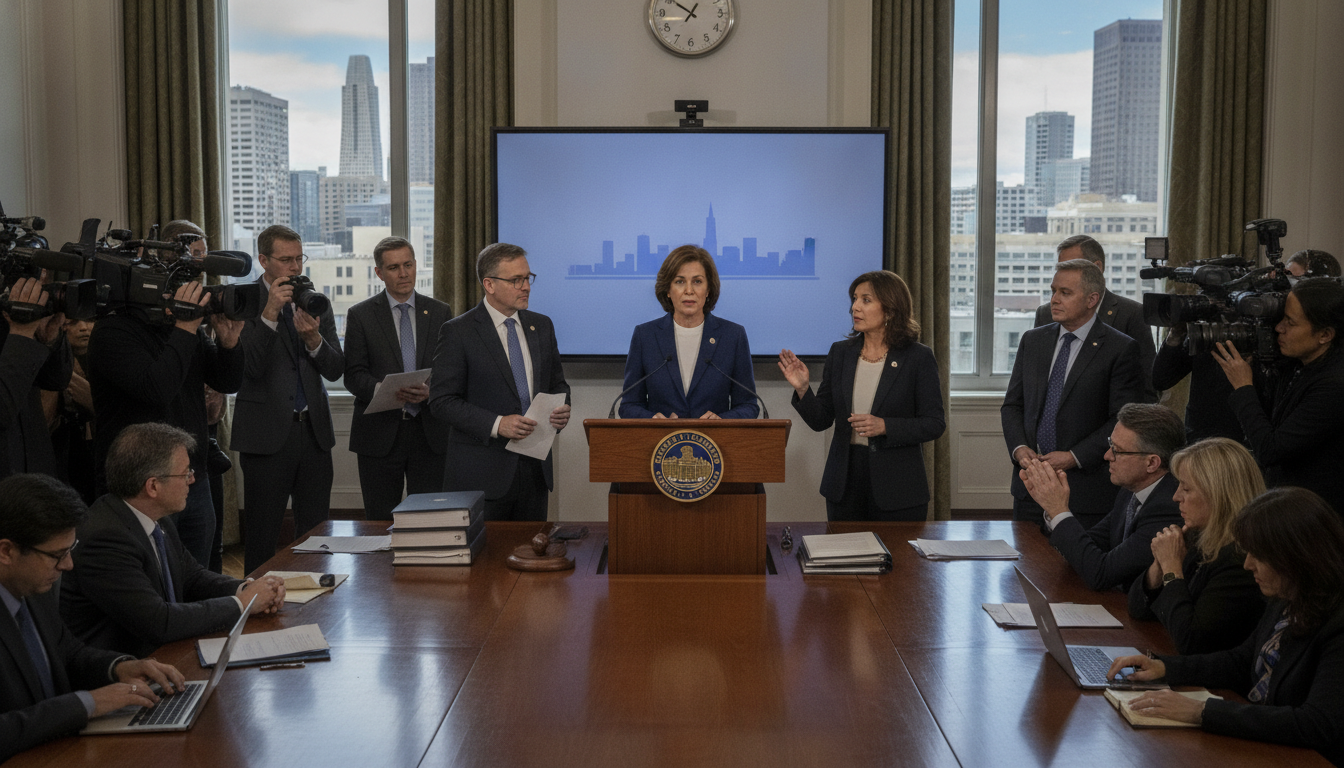
City to bolster Debt Reserve Fund after FSR and PAYGO replenished by 2030
City will direct revenue to its Debt Reserve Fund after replenishing the FSR and PAYGO by 2030, freeing funds for long-term infrastructure repairs citywide.
The city has announced it will begin redirecting revenue into its Debt Reserve Fund once the Financial Stabilization Reserve (FSR) and Pay as You Go (PAYGO) accounts are fully replenished, a step officials expect to complete by 2030. Knack said that shifting revenue back to the Debt Reserve Fund will let the city focus on long-term infrastructure repairs rather than making stopgap choices each budget cycle. The move signals a change in the municipality’s fiscal priorities toward sustained capital renewal and risk management.
Planned timing and fiscal sequence
The city’s plan depends on a two-stage fiscal sequence that starts with restoring the FSR and PAYGO balances. Municipal officials say replenishment is expected to conclude by 2030, after which discretionary revenue will be reallocated. That redirected revenue will be used to strengthen the Debt Reserve Fund, a reserve designed to backstop debt obligations and provide funding stability for major projects.
Knack framed the timeline as deliberate, noting the intention to avoid compromising short-term fiscal cushions while building a steadier capital funding stream. City staff and council will revisit assumptions in annual budgets and long-term financial plans as the replenishment progresses. The sequence aims to balance immediate fiscal resilience with future capital needs.
How FSR and PAYGO affected recent budgets
Over recent years the FSR and PAYGO accounts have been tapped to absorb unexpected costs and to smooth capital spending without resorting to new borrowing. Those draws helped prevent abrupt tax increases and funded urgent repairs, but they also limited the city’s ability to plan multi-year infrastructure projects. Replenishing those accounts restores that emergency flexibility and sets conditions for a more strategic use of revenue.
Officials argue that once reserves are back at target levels, the city will be less likely to defer essential maintenance or be forced into abrupt reprioritization during budget cycles. The approach acknowledges past pressures on operating budgets and seeks to reduce the need for reactive fiscal choices.
Impact on the Debt Reserve Fund and long-term projects
Bolstering the Debt Reserve Fund will allow the city to plan and finance longer-term infrastructure repairs with greater predictability. The fund functions as a financial buffer that can cover debt service or support capital projects without destabilizing the operating budget. Strengthening the DRF could make it easier to move forward with road, bridge and facility upgrades on a scheduled basis.
Knack emphasized that a healthier DRF would reduce the need to “pick and choose” which assets get fixed within each budget year. Instead, the city could pursue a more consistent capital program that addresses lifecycle needs and reduces the long-term cost of deferred maintenance.
Council deliberations and budget trade-offs ahead
City council members will need to weigh competing priorities as the plan is implemented, including continued service demands and potential capital commitments. Budget staff will present annual updates showing reserve balances and projected revenue that could be transferred to the DRF once FSR and PAYGO targets are met. Those updates are intended to keep council informed and allow for adjustments to the plan.
Some councillors may press for parallel measures to accelerate repairs or to protect other strategic investments while the reserves are restored. The city’s multi-year budget and capital plan will be the primary vehicle for translating the reserve strategy into specific projects and timelines.
Implications for taxpayers and service delivery
For residents, the shift aims to stabilize infrastructure delivery and reduce the likelihood of sudden service gaps caused by deferred maintenance. In practical terms, this could mean fewer reactive repairs, clearer scheduling for major works, and potentially lower long-term costs as assets are renewed on a predictable timeline. However, the benefits depend on disciplined adherence to the replenishment timetable and follow-through on capital plans.
Officials have not signalled any immediate tax increases tied directly to the reserve replenishment strategy, but they caution that fiscal conditions and unforeseen emergencies could influence outcomes. Transparency in reporting reserve balances and capital commitments will be important to maintain public confidence.
Monitoring progress and future checkpoints
City staff will report reserve balances and progress toward the 2030 replenishment goal through regular financial updates and budget documentation. Those checkpoints will allow council to assess whether the plan is on track and to make informed choices about redirecting revenue into the Debt Reserve Fund. The monitoring process will also document any deviations and propose corrective actions if needed.
Knack and other officials have said that the plan includes flexibility to respond to changing economic conditions, but the overarching objective remains clear: restore short-term fiscal cushions first, then shift toward longer-term capital funding.
The move to prioritize the Debt Reserve Fund after replenishing the FSR and PAYGO represents a targeted effort to stabilize municipal finances and create a more predictable path for infrastructure renewal. If executed as outlined, the strategy would provide councillors and administrators with a steadier fiscal platform for addressing aging assets and planning future projects.
