
Alberta grocery shelves see surge of Australian beef as price gap widens
Canadian grocery shelves in Alberta are stocking Australian beef at lower prices, pressuring local producers and prompting consumer trade-offs
Alberta shoppers are encountering Australian beef on grocery shelves at prices that sometimes undercut comparable domestic cuts by large margins, a shift that is drawing sharp attention from ranchers, industry analysts and retailers. The arrival of lower-cost imported beef has emerged as a defining retail story this summer as some stores display per-kilogram differences that exceed $40 between imported and Canadian options. The trend is stirring debate across southern Alberta communities where cattle production is an economic mainstay and grocery bills are a point of strain for many households.
Industry analysts point to a combination of tighter Canadian cattle inventories and favourable supply-chain economics for Oceania-origin beef as key drivers behind the price gap. Consumers in Alberta are responding pragmatically to sticker shock at the meat counter, while ranchers and their representatives warn that prolonged price pressure from imports could further squeeze already reduced herd sizes. Retailers say they are balancing supply diversity with efforts to keep meat affordable for shoppers amid broader meat-price inflation.
Alberta grocers stocking Australian beef at lower prices
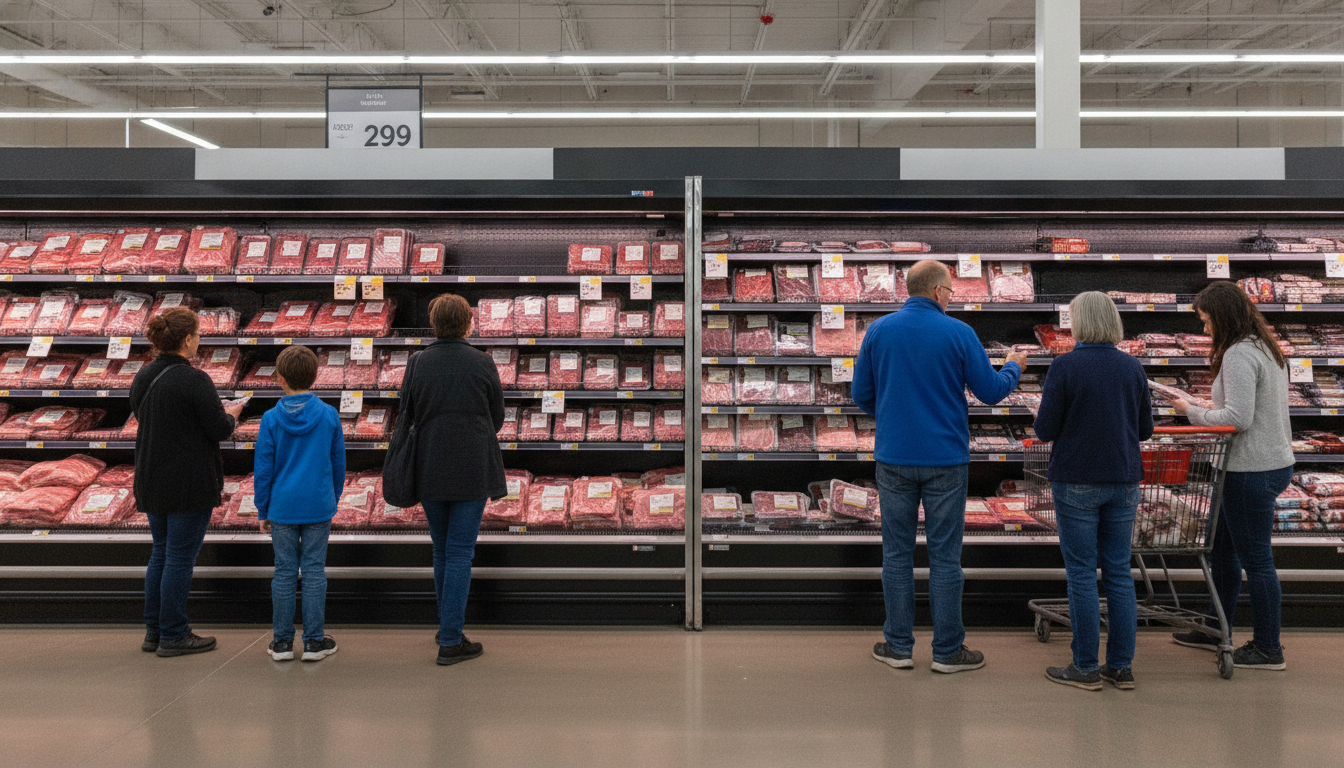
Grocery aisles across Alberta now commonly include Australian beef alongside Canadian cuts, often labeled by country of origin and offered at discount prices. Multiple in-store comparisons reported this month show imported beef priced substantially below domestic alternatives, in some cases by more than $40 per kilogram for similar cuts. Shoppers in urban and rural communities alike say price differences are influencing decisions at checkout, with many prioritizing affordability.
For households facing rising food costs, the lower sticker price of Australian beef is difficult to ignore. Several consumers interviewed in southern Alberta described choosing imported products to stretch grocery budgets, especially for staples such as ground beef. At the same time, some buyers reported a desire to support local producers and said they would opt for Canadian beef when budgets permit.
Supply and cost factors behind cheaper imports
Analysts point to several structural factors that make beef imported from Australia and New Zealand competitive on Canadian shelves. Warmer climates and different production systems lower feeding and housing costs in Oceania, while shipping economies of scale have reduced the landed cost of refrigerated meat to North American ports. Those advantages combine with a Canadian supply environment that has tightened in recent years, amplifying retail price divergence.
Industry observers note that Canadian cattle inventories fell in past seasons, a trend that lifted wholesale prices and flowed through to retail. As a result, some domestic cuts became persistently more expensive compared with similar imported products, even after accounting for tariff and transportation expenses. The timing of herd rebuilds, which depends on producer decisions and weather conditions, means Canadian supply-side relief may be gradual rather than immediate.
Impact on Alberta cattle producers and herd dynamics
Ranchers and provincial producers’ groups say the retail presence of lower-cost imported beef compounds pressure on operations that have already adjusted herd sizes. Representatives from Alberta producer organizations describe a recent period of constrained cattle numbers that has pushed market prices up, but also left producers vulnerable if consumers shift demand toward imports. The finance chair of a major provincial beef association acknowledged that while national inventory figures show early signs of recovery, herd growth translates to retail supply only over months and years.
Producers emphasize that production decisions are influenced by auction returns, weather and input costs, and they caution that a sustained preference for cheaper imported beef could disincentivize rebuilding. Several ranches reported trimming numbers during volatile years, which in turn tightened domestic supplies. That dynamic leaves many in the sector watching retail trends closely for signs that domestic demand is being permanently redirected.
Retailer strategies and corporate responses
Major Canadian grocers say the decision to stock imported beef reflects procurement strategies intended to maintain shelf availability and price competitiveness. Retail spokespeople explain that sourcing from a range of Canadian and international suppliers helps manage inventory disruptions and gives customers more price points. Retailers emphasize that retail price variation is driven by market conditions, supplier costs and supply availability rather than a single cause.
Some chains have defended their offers of Australian beef as a way to keep everyday meat prices approachable for cost-conscious families. Corporate statements note the retailer’s role in presenting options that range from premium local cuts to value-oriented imported products. Retail buyers also point out that international suppliers can sometimes provide consistent volumes at lower marginal cost, an advantage in weeks when domestic slaughter and processing volumes are constrained.
Wider effect on meat prices across the counter
The beef pricing situation is reverberating through the broader meat category with notable price movements for chicken and pork as well. Analysts tracking retail data report that poultry and pork prices have climbed significantly over recent months, in part because grocery chains adjust pricing and promotions across categories in response to demand and cost pressures. When beef climbs and retailers shift promotional focus, consumers may see knock-on effects that lift prices or reduce promotional depth on other proteins.
Market watchers say that rising beef prices can change consumer behaviour beyond simple substitution, reshaping meal planning and store purchasing patterns. Some shoppers move toward plant-based proteins or alternative cuts, while others buy imported beef for certain meals and domestic beef for others. The interaction among supply constraints, import availability and retailer pricing decisions creates an unpredictable environment for shoppers and producers alike.
Consumer reaction and local preference tensions
In Alberta, where ranching is culturally and economically significant, the sight of imported beef displacing domestic products has prompted strong reactions. Several residents interviewed expressed a willingness to pay a premium for Alberta-raised beef due to perceived quality and a desire to support local farms. Others said rising household food costs forced them to prioritize immediate affordability over origin, especially when margins exceed household budgets.
Local consumer groups and cooking educators are encouraging shoppers to weigh value across a range of factors including cut, preparation and portion size. Some home cooks are turning to less expensive cuts and different cooking methods to stretch servings, while foodservice operators reassess menu pricing and sourcing based on wholesale availability. The tension between community support for local agriculture and day-to-day food affordability is shaping conversations at the checkout and at kitchen tables.
Options for consumers and value-focused cooking
Nutrition and culinary experts suggest practical approaches shoppers can use to get more value from beef purchases regardless of origin. Tips include choosing versatile cuts for slow-cooking, using ground beef in blended dishes to extend portions, and learning basic preservation techniques to reduce spoilage. Industry-backed recipe resources also offer guidance on economical meal planning that maximizes protein value per dollar.
Producers’ associations and government-affiliated groups point to educational materials that help consumers compare cuts and cooking methods to achieve better value. Those resources emphasize that smart shopping combined with simple culinary techniques can mitigate high retail prices and make locally produced cuts stretch further when budgets allow. For some households, combining buying strategies with cooking adjustments is reducing the tension between price and quality.
What comes next for supply, prices and policy
Looking ahead, several factors will determine whether Canadian grocery aisles return to a stronger domestic tilt or continue to feature prominent volumes of imported beef. Key variables include the pace of herd rebuilding among Canadian producers, global demand for beef, currency and freight costs, and retailer procurement strategies. If domestic inventories recover meaningfully over the coming seasons, that could relieve some upward pressure on retail prices, but the effect will be gradual.
Policymakers and industry stakeholders are monitoring the situation for potential interventions that could support producers or aid buyers facing high food costs. Discussions taking place within producer organizations and at industry roundtables consider measures ranging from producer supports to market-development strategies. Any policy outcome will need to balance domestic sector stability with consumers’ need for affordable, reliable food supplies.
Consumers, producers and retailers now face a period of adjustment as the marketplace absorbs seasonal and structural shifts. The presence of Australian beef at sharply lower price points has exposed the sensitivity of Alberta’s meat market to international supply factors. How quickly domestic supply conditions improve and how retailers respond will shape the province’s beef landscape in the months ahead.
The market developments underline a simple reality for Alberta consumers: short-term price relief from imports may ease grocery bills now, but sustained support for local ranching will require a longer run of stable returns and predictable supply conditions.
