
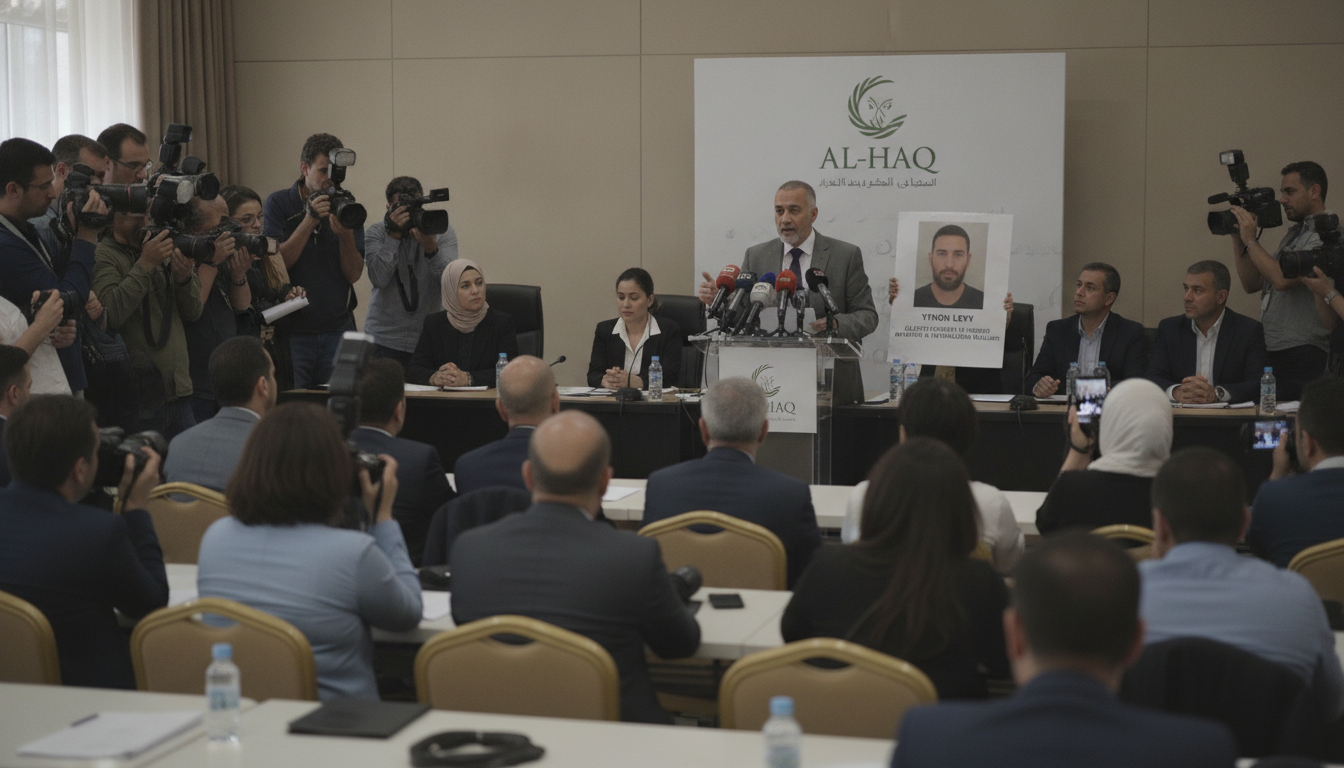
Al-Haq Identifies Yinon Levy in Awdeh al Hathaleen Killing
Al-Haq identifies Israeli settler Yinon Levy as the shooter in the July 2025 killing of Awdeh al Hathaleen, concluding he was unarmed and posed no threat.
A rights group report released on July 30, 2026, says video, forensic and geospatial analysis point to Israeli settler Yinon Levy as the person who shot and killed Awdeh al Hathaleen in July 2025. The report, compiled by Palestinian human rights organisation Al-Haq and reported by Al Jazeera’s Nida Ibrahim, concludes Hathaleen was unarmed and did not present a threat when he was shot. Al-Haq’s findings come a year after the killing and are based on multiple lines of technical evidence, the group said.
Evidence and methods detailed by Al-Haq
Al-Haq said its investigators relied on video footage, forensic data and geospatial analysis to reach their identification of Yinon Levy. The organisation described a cross-checking process that matched images, timestamps and location coordinates to establish the shooter’s identity. The report frames the combined methodologies as corroborative, with each piece of analysis supporting the others.
Al-Haq’s summary states the forensic review focused on ballistics and trajectories while geospatial technicians mapped the positions of persons and vehicles. Video evidence was used to match physical features and clothing to the individual named in the report. Together, the methods are presented as forming a chain of evidence linking the shooter to Levy.
Findings on the victim’s condition and threat assessment
The report’s central finding is that Awdeh al Hathaleen was unarmed at the time he was shot and posed no imminent threat, according to Al-Haq. Investigators concluded that the available footage and forensic traces do not support claims that the victim was carrying a weapon or engaging in an attack. That determination is a focal point of the report and underpins its broader legal and human-rights implications.
Al-Haq’s account notes that no weapon was observed in the videos reviewed and that ballistic analysis did not indicate a defensive exchange. The organisation framed these conclusions as pertinent to assessments of proportionality and the lawfulness of the use of lethal force. The report does not, in the portions summarised publicly, provide a full chain of custody for all raw materials, but it lays out the analytic steps taken.
Context of the incident and timeline
The killing of Awdeh al Hathaleen occurred in July 2025, and Al-Haq’s report was published on July 30, 2026, marking roughly one year between the event and the release of the findings. The organisation’s review seeks to fill investigative gaps that, it says, remain unaddressed by other authorities. The timing of the report places it amid wider scrutiny of civilian deaths tied to settler violence and security operations in the region.
Al-Haq’s release comes with a detailed chronology of the incident as reconstructed from video timestamps and geospatial markers. That chronology is intended to show the sequence of events leading up to the shooting and to establish the positions and movements of those involved. The report frames the timeline to argue that the shooting was not a response to an active attack.
Reactions and potential legal implications
Rights groups and independent monitors typically call for criminal investigations when a report alleges unlawful killing by settlers or security actors, and Al-Haq’s report signals similar expectations. The identification of an individual alleged to be the shooter raises questions about whether relevant authorities will open criminal proceedings or internal investigations. The report itself urges accountability measures, according to the organisation’s public statement.
There was no immediate, independently verified response recorded in the report from the individual named or from Israeli authorities in the summary made public. Legal analysts say that forensic and geospatial evidence can strengthen calls for investigation but that such evidence must be followed by formal inquiries to produce judicial outcomes. The report may be used by advocacy groups to press prosecutors, human-rights bodies and international observers for action.
Next steps outlined and international attention
Al-Haq’s report is likely to be shared with national and international bodies that monitor human-rights violations, the organisation indicated in its release. The group’s documentation — combining video, forensic and geospatial work — is intended to support requests for transparent investigations and, where warranted, prosecutions. The publication also increases the likelihood that international NGOs and diplomatic missions will review the material.
Observers say that the report could shape media coverage and advocacy campaigns over the coming weeks, especially if it prompts formal inquiries or public statements from officials. The technical nature of the evidence may attract independent experts to review the data publicly, which could either reinforce or challenge Al-Haq’s conclusions.
Awdeh al Hathaleen’s death and Al-Haq’s subsequent report add to an ongoing debate about accountability for deadly incidents involving settlers and civilians, and they place renewed focus on the mechanisms used to investigate such events. The findings, published on July 30, 2026, are likely to influence calls for legal clarity and independent probes in the months ahead.
