
Chinese Dreamcore Surges Across Gen Z Feeds as Economic Frustration Mounts
Chinese Dreamcore memes and videos are sweeping China’s young social feeds, reflecting job-market anxieties, falling wages and a longing for simpler times.
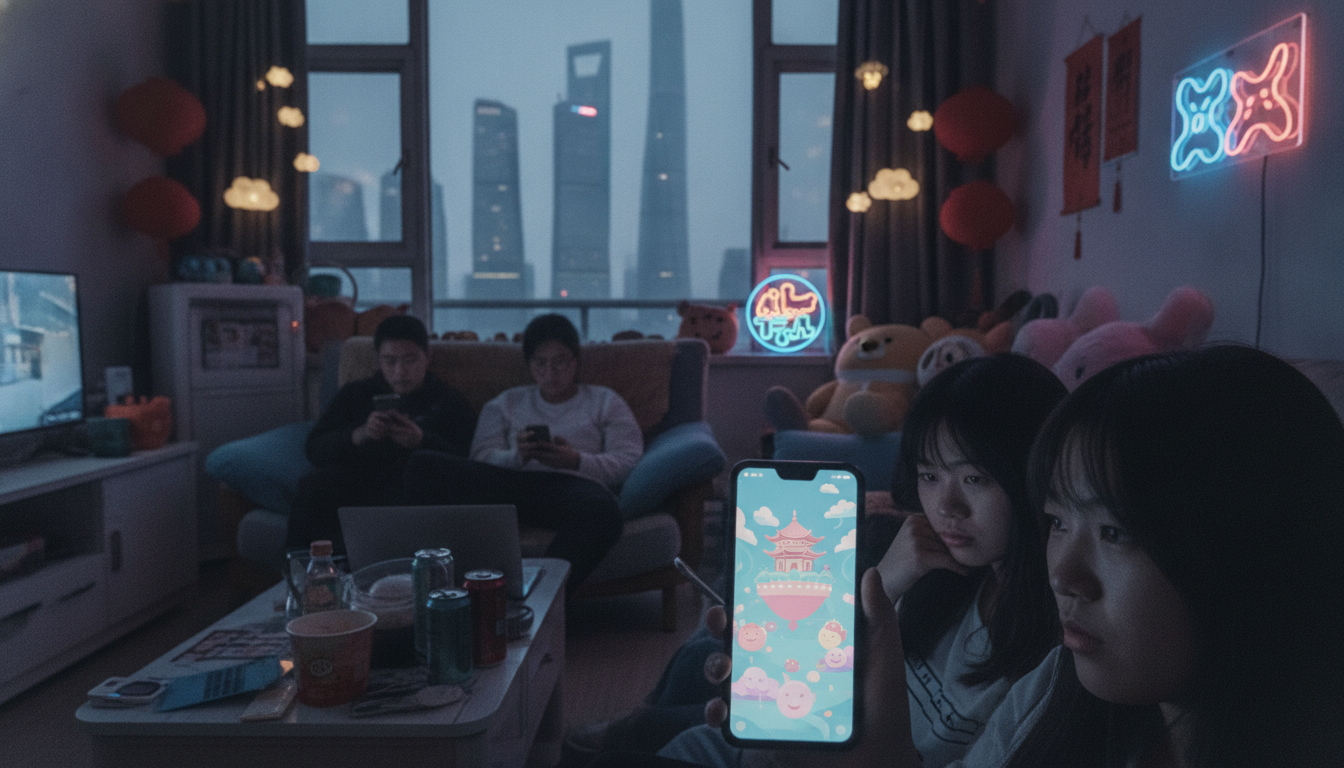
Chinese Dreamcore has surged into the mainstream of youth social media in China, with short videos and image memes portraying nostalgic, modest lifestyles amid mounting economic pressures. The trend, visible across multiple platforms, pairs wistful imagery with captions that signal frustration about wages, hiring prospects and the daily grind. Analysts and social commentators say the movement channels both a cultural aesthetic and a collective reaction to a challenging labour market.
Economic backdrop driving the trend
The rise of Chinese Dreamcore comes as many young people face flattened incomes and stiff competition for entry-level roles, which has tightened financial horizons for recent graduates and early-career workers. Rising living costs in major cities and a sluggish jobs climate have made symbolic retreats to “simpler” ways of life more appealing in online narratives. For users, Dreamcore provides a language and set of visuals to express disillusionment without explicit political framing.
Visual markers and common themes
Posts categorized as Chinese Dreamcore typically feature muted palettes, modest home interiors, slow domestic routines and retro consumer goods presented with intimacy. Creators often pair these images with short captions that emphasize thrift, small domestic pleasures and a desire to slow down from frantic careerism. The aesthetic borrows elements from nostalgia, minimalism and handmade crafts, reframing modest living as both aspirational and emotionally restorative.
How the meme spreads on platforms
Short-form video apps and image-based communities have accelerated Dreamcore’s reach by amplifying easily replicable formats and soundtracks that users remix. Algorithms that prioritise engagement favour rapid, repeatable templates: a handful of signature shots, a melancholic song clip and a final on-screen caption, all of which encourage wide imitation. Influencers and micro-creators have adopted the style, feeding cycles of amplification as new variations and subgenres appear in comment threads and duet features.
Young users’ motivations and expressions
Many participants describe Dreamcore as a coping mechanism rather than an outright manifesto, using tender, low-key content to articulate anxieties about careers, housing and social expectations. Videos that show cooking simple meals, tending plants or repairing clothes are read as both practical tips and symbolic rejections of consumer excess. While some creators present Dreamcore with irony, others treat it as sincere emotional work, documenting small acts of self-care in uncertain times.
Institutional and employer responses
Educational institutions and employers have taken notice of the trend as a signal of shifting youth sentiment, prompting some to adjust recruitment messages and outreach strategies. Career counsellors and human resources teams are increasingly attentive to tones of burnout and resignation expressed online, and some organisations are offering workshops or mental health resources to address workplace stress. Authorities have also flagged the spread of certain online narratives, urging platforms to monitor content that could deepen social unease, while stopping short of broad censorship announcements.
Cultural significance and potential consequences
Observers say Chinese Dreamcore reflects broader cultural recalibrations: an inward turn where personal equilibrium and manageable expectations take precedence over rapid upward mobility. The aesthetic’s celebration of modest comforts complicates traditional markers of success and may influence consumer choices, from secondhand markets to small-scale local businesses. At the same time, critics warn that romanticizing austerity can mask structural problems in the labour market and distract from calls for systemic economic solutions.
The diffusion of Chinese Dreamcore underscores how aesthetic movements can function as social barometers, translating complex economic and emotional conditions into images and short-form narratives that resonate widely. Whether the trend evolves into longer-lasting cultural change or recedes as a passing online moment will depend in part on real-world shifts in employment and living standards that determine how young people imagine their futures.
