
Edmonton mosquito control faces surge after city records wettest June on record
Heavy rainfall made June Edmonton’s wettest on record, triggering a surge in mosquitoes and renewed debate over the city’s mosquito control strategy.
Wettest June fuels mosquito rebound
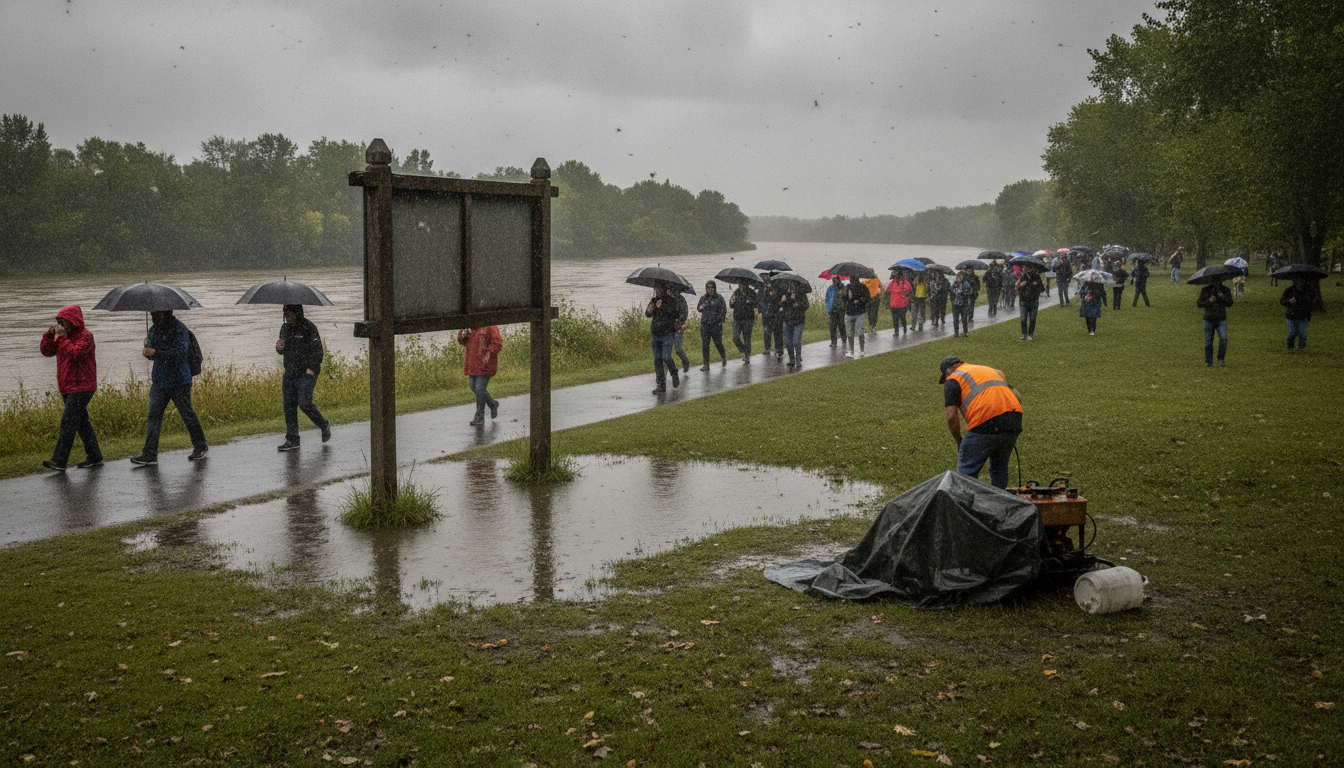
Edmonton experienced an exceptional late-spring and early-summer rainfall that made this past June the city’s wettest on record, producing widespread standing water across parks, ditches and low-lying lands. Those conditions have created abundant breeding sites and a sharp uptick in mosquito activity that residents are noticing across neighbourhoods. The spike has thrust Edmonton mosquito control back into public view as city officials and homeowners weigh approaches to limit bites and disease risk.
Council ended aerial spraying in 2022
In 2022 the city council voted to discontinue helicopter-based aerial larvicide applications that previously treated outlying wet areas on a regular schedule. The debate at the time centred on cost, geographic reach and whether municipal taxpayers should be paying to spray lands beyond city boundaries. Since that vote, the city has maintained aerial monitoring of the same zones while shifting how it allocates pest-control resources.
Shift away from older pesticides and toward ground programs
Edmonton has phased out use of chlorpyrifos-type pesticides and curtailed broad aerial larvicide applications, citing health and environmental concerns. Funding previously dedicated to helicopter spraying has been reallocated, with roughly two thirds directed to expanded ground-based treatments and the remainder aimed at supporting natural mosquito predators. City staff continue to monitor historical spray zones for larval activity and respond with localized interventions when warranted.
Record rainfall complicates control tactics
The record rainfall complicates efforts because the volume and distribution of standing water this year exceed conditions the city has managed in recent drier summers. That means more inspection points, more larval habitat and greater reliance on targeted ground response rather than broad aerial coverage. Officials note that while many mosquitoes remain near their birthplace, some can travel several kilometres, making localized outbreaks harder to predict and contain.
Health risk: West Nile virus and vulnerable groups
Public-health surveillance has detected West Nile virus in Alberta in past seasons, and health authorities caution that older adults face higher risk of serious complications. Most infected people—about four in five—do not develop noticeable symptoms, but the small proportion who do can experience severe illness, particularly those over 50 or with weakened immune systems. The city and provincial health units urge residents to be aware of symptoms, protect themselves from bites and seek medical advice if they develop concerning signs after exposure.
City rationale and budget considerations
Municipal leaders have defended the program changes on fiscal and jurisdictional grounds, pointing to the cost of a longstanding aerial program and the fact that much of the treated area lies outside Edmonton’s municipal boundaries. Historically, a regional spraying effort existed until funding cuts in the early 1990s left Edmonton bearing most of the expense. Council members also cited the ecological risk of killing beneficial insects that share breeding habitats, contributing to the decision to pivot toward more selective measures.
Practical steps for residents this summer
Public-health and municipal officials recommend several practical, low-cost steps homeowners can take to reduce mosquito breeding and limit bites. Eliminating standing water in containers, cleaning eavestroughs, draining kiddie pools when not in use and turning over wheelbarrows or plant saucers can cut local larval habitat. Using fans while sitting outdoors, wearing long sleeves near dusk and applying EPA- or Health Canada–recommended repellents are effective personal defenses, especially during peak mosquito hours.
Residents should also report large mosquito concentrations or suspected breeding sites to the city so staff can prioritize inspections and targeted treatments. While individual action cannot eliminate every mosquito, community-level reduction of breeding pools can lower overall abundance and reduce bite pressure across neighbourhoods.
This season’s surge underscores a broader challenge: as climate-driven weather patterns shift, municipalities must adapt mosquito-control strategies to balance public health, environmental impacts and fiscal responsibility. Edmonton’s move away from aerial spraying and toward targeted ground programs reflects that balancing act, but the unusually wet conditions this June will test the effectiveness of those choices. For now, residents are advised to take practical precautions, remain aware of West Nile signs, and expect an active — but ultimately temporary — mosquito season.
