
Alberta iGaming market set to launch July 13, 2026, amid economic concerns
Alberta iGaming market launches July 13, 2026; province forecasts $76M first year, but researchers warn foreign operators could divert local revenue and jobs.
Alberta’s iGaming market is scheduled to open on July 13, 2026, marking a major shift in how online gambling will operate in the province. The Alberta iGaming market is expected to draw private multinational operators into a sector that until now has been dominated by the government-run PlayAlberta. Researchers and industry officials say the move will increase provincial revenue, but warn it may also redirect economic benefits away from local businesses.
Launch date and revenue forecast
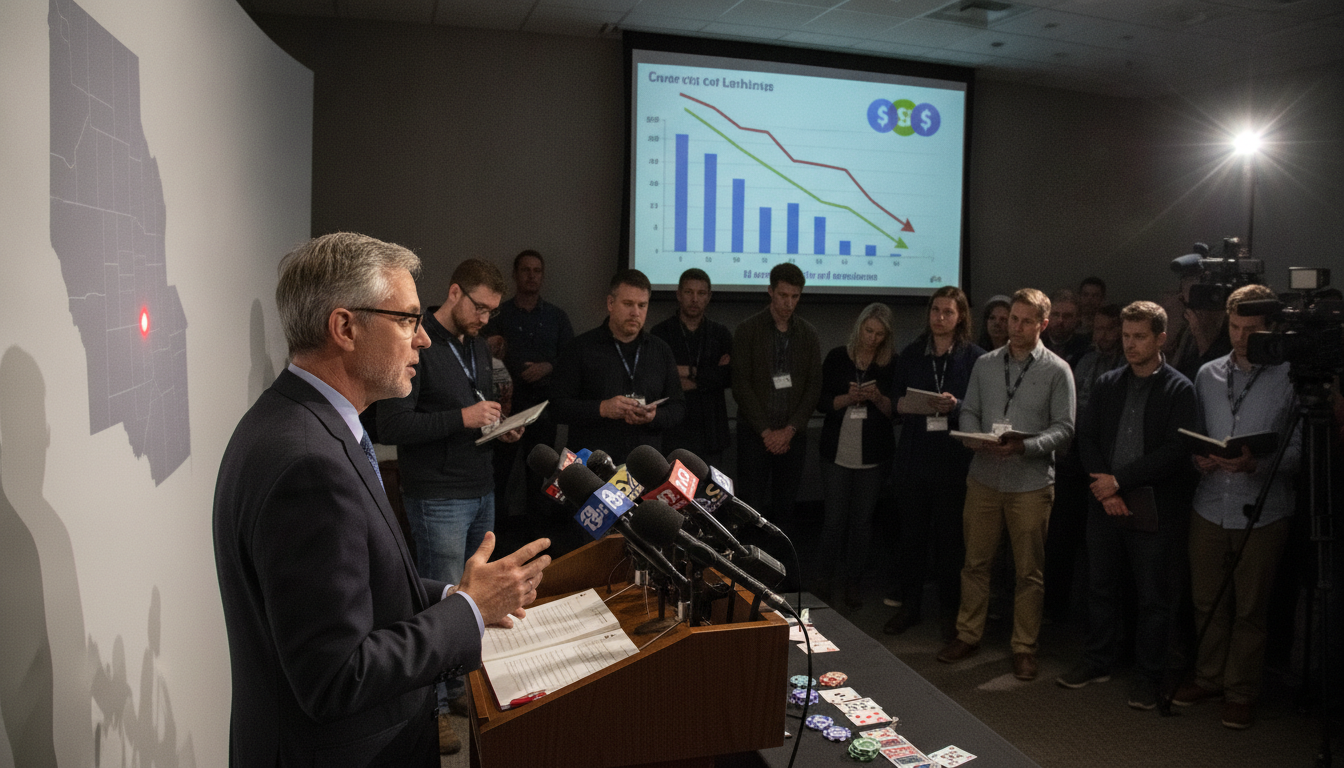
Service Alberta has set July 13, 2026 as the start date for private operators to begin offering regulated online gambling in Alberta. Minister Dale Nally has projected the new framework will net the province roughly $76 million in its first year, based on a revenue-share model.
The licensing arrangement mirrors Ontario’s structure, under which a fixed share of gross gaming revenue is remitted to government coffers. In Alberta’s case, officials have outlined a 20 per cent take from gross gaming revenue for the provincial treasury.
Researcher warns of economic leakage
University of Lethbridge researcher Robert Williams cautions that increased provincial receipts do not automatically translate into broader local economic gains. Williams said online platforms operated by multinational companies tend to route significant portions of profits and operational spending outside the local economy.
He noted that traditional bricks-and-mortar casinos generate construction contracts, local hiring and ancillary spending that circulate in nearby communities. By contrast, digital-only platforms can operate with smaller local footprints, limiting jobs in customer service, venue operations and maintenance.
Operator lineup and market entry
Several major international operators, including DraftKings, BetMGM, FanDuel and Bet365, have applied for Alberta licences to run online gaming platforms. Until the July 13 launch, PlayAlberta remained the only legal online gambling destination in the province, operated by the Alberta Gaming, Liquor and Cannabis Commission.
Industry executives say private entrants aim to capture a significant portion of players currently using unregulated or “grey market” sites. The government argues licensed platforms will offer stronger consumer protections and help divert wagering away from illegal operators.
Lessons drawn from Ontario’s experience
Proponents of privatized iGaming point to Ontario’s market, which opened to private operators in 2015 and has since become a large regulated industry. Ontario’s mix of government and private platforms has produced substantial revenue for the province and a high rate of player migration to licensed sites.
Researchers say Ontario’s example shows both the upside and the trade-offs: regulated private markets can shrink the grey market and expand tax receipts, but they also demonstrate how multinational firms can capture much of the economic value generated by online play. That dynamic has prompted debate over how to balance revenue collection with local economic development.
Industry precautions and consumer safeguards
Operators preparing to enter Alberta say they are incorporating measures learned from other provinces’ rollouts. BetMGM’s Canadian vice-president, Scott Woodgate, has highlighted steps such as centralized exclusion lists for self-excluded players and commitments to hire local staff for marketing and customer service roles.
Companies also emphasize responsible gambling tools, verification systems and provincial oversight as central components of their launch strategies. Regulators will be expected to monitor compliance closely as the market transitions from a single-government platform to a mixed model.
Local jobs, community impact and problem gambling trends
Economists and community stakeholders will be watching how the new market affects local employment and business activity. Williams argues that while the province will see revenue gains, those dollars may not offset losses in local spending tied to in-person gaming employment and contracting work.
There is also debate about public health impacts. Some research indicates variations in problem gambling trends across provinces following different regulatory approaches, and officials say monitoring consumer harm will be a priority as private platforms scale up in Alberta.
The coming weeks will test whether Alberta’s regulatory design can capture the financial benefits of a larger market while protecting local economic interests and consumer safety. Regulators, researchers and operators all say they will track player behaviour, tax receipts and social outcomes closely after the July 13, 2026 launch to assess the longer-term effects on Alberta communities.
