
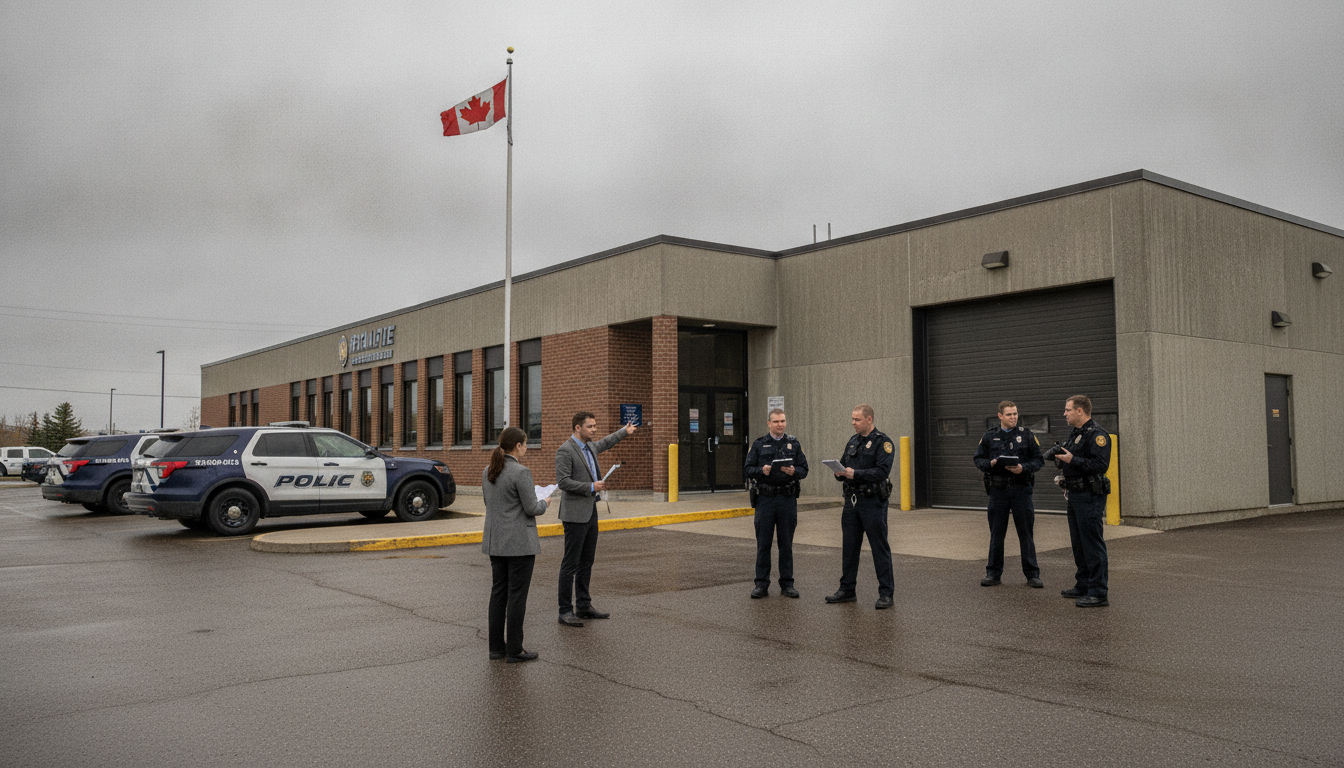
ASIRT investigates High Prairie cell death after man found unresponsive in RCMP holding
ASIRT investigates a June 16 High Prairie cell death after a man was found unresponsive in an RCMP holding cell; autopsy has been completed and is under review by investigators.
ASIRT launches Level 1 investigation
The Alberta Serious Incident Response Team opened a Level 1 probe after a man died in a holding cell at the High Prairie RCMP detachment.
The Police Review Commission directed the referral under the province’s Police Act, which sets Level 1 for incidents involving serious injury or death and where serious or sensitive concerns about police conduct exist.
ASIRT investigators have assumed responsibility for evidence gathering and witness interviews related to the custody period.
Timeline of arrest and discovery
According to the preliminary account, the man turned himself in on June 14 on an outstanding warrant and was arrested without incident that day.
Approximately 30 hours later, on June 16, a civilian guard found him unresponsive in a holding cell and called officers and paramedics to the scene.
First responders attempted resuscitation, but the man was declared deceased at the detachment.
Autopsy completed and findings to be reviewed
An autopsy has been completed and its results will be reviewed by ASIRT as part of the ongoing investigation.
Investigators will examine medical records, custodial logs and any available surveillance or body-worn camera footage to determine the sequence of events leading to the High Prairie cell death.
The review will also consider whether medical needs were properly assessed and managed during the man’s time in custody.
Past ASIRT review of High Prairie custody practices
ASIRT has previously investigated a serious custody incident at the same detachment in 2022, when a detained man suffered near-fatal diabetic ketoacidosis.
That earlier probe found officers were aware the prisoner had diabetes but, through a series of failures, did not ensure he received prescribed medications while incarcerated.
ASIRT concluded there was no criminal liability in that case but determined officers had failed to provide necessities of life, a finding that prompted scrutiny of local custody procedures.
Custody oversight and procedural questions
The current Level 1 designation signals investigators will assess both medical treatment provided in custody and whether officers followed established detention protocols.
Key areas of interest will include intake screening, medication access, monitoring of detainees and communication between civilian staff and police.
Any systemic or procedural shortcomings identified could lead to recommendations for training, policy change or administrative discipline.
Investigative process and expected outcomes
ASIRT’s investigation will include witness statements, review of medical and detention records and analysis of the autopsy report to establish cause and manner of death.
While the probe is ongoing, investigators typically do not release all operational details to protect the integrity of interviews and forensic work.
Once ASIRT concludes its inquiry it will forward findings and recommendations to the appropriate authorities, and those results may inform whether charges, policy changes or public reporting are warranted.
The death in custody at the High Prairie detachment has renewed attention on how medical needs are managed in short-term holding facilities, and the ASIRT investigation will be central to determining what occurred and whether changes are required to prevent future tragedies.
