
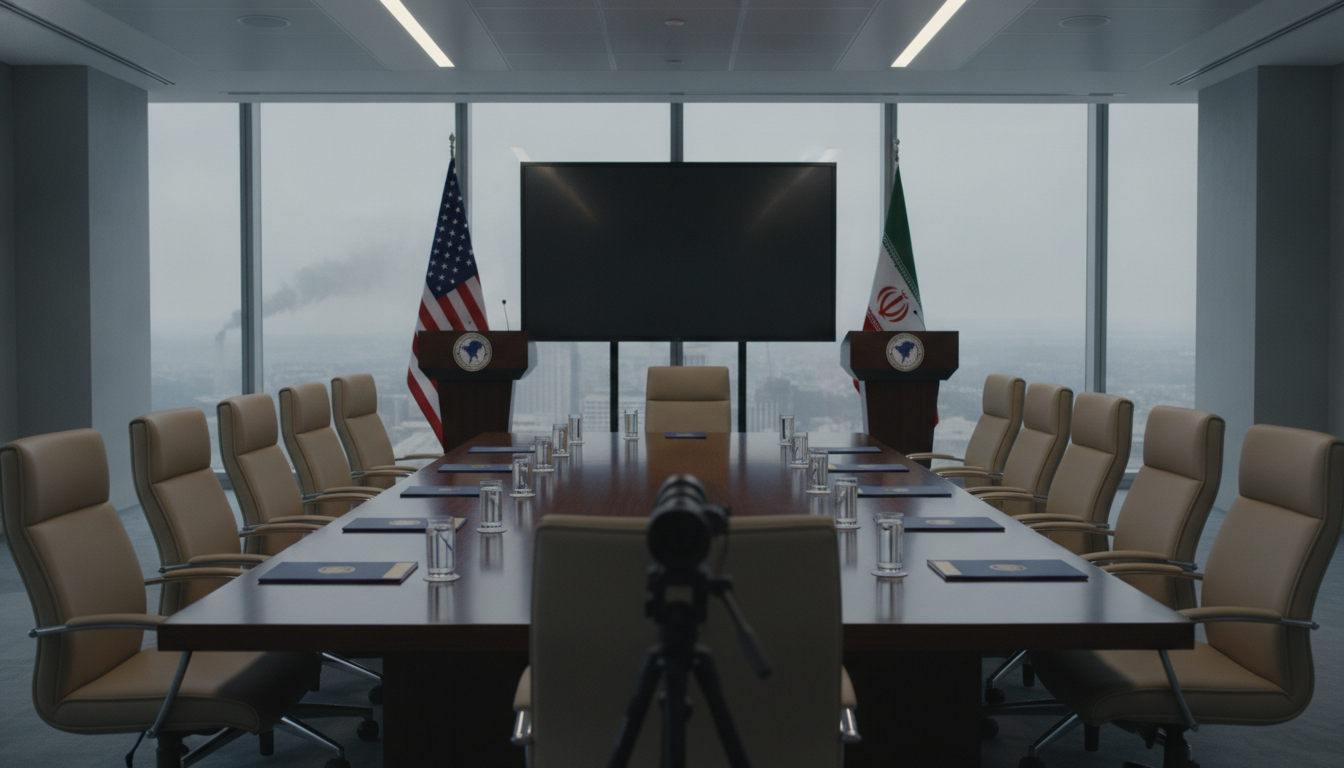
U.S.-Iran talks delayed after deadly Israel–Hezbollah fighting in Lebanon
Scheduled U.S.-Iran talks postponed after clashes in Lebanon on June 19, 2026, raising diplomatic and security concerns.
The U.S.-Iran talks were postponed on June 19, 2026, after deadly fighting erupted between Israel and Hezbollah in southern Lebanon, officials and media reports said. The clashes forced negotiators to delay planned meetings as regional instability threatened to undermine fragile diplomatic momentum. Organizers described the postponement as a direct result of the security situation and said new dates would be considered once conditions allowed.
Details of the delay
Negotiators from both sides had planned to meet in a third country later this week, but those sessions were put on hold after the outbreak of violence across the Lebanon-Israel frontier. The delay was described by sources close to the talks as immediate and procedural, aimed at ensuring the safety of delegations and the integrity of the discussions. No firm rescheduling was announced as of June 19, 2026.
Fighting along the Lebanon border
Reports described sharp exchanges between Israeli forces and Hezbollah fighters in multiple locations along the border, producing both military and civilian disruptions. Local accounts and regional media characterized the incidents as among the most serious cross-border confrontations in recent months. The violence, described in reports as deadly, heightened fears of wider escalation that could draw in additional actors and complicate diplomacy.
Impact on diplomatic channels
The postponement of the U.S.-Iran talks underscores how quickly regional security events can upend diplomatic initiatives that rely on calm and predictability. Officials on both sides have long warned that negotiations would be vulnerable to external shocks, and the clashes in Lebanon provided a test of that vulnerability. Analysts say delays may slow momentum on confidence-building measures that negotiators had been pursuing.
Responses from international capitals
Capitals in the region and beyond issued cautious statements calling for de-escalation while emphasizing the need for continued diplomatic engagement. Washington and Tehran, while not issuing detailed accounts of immediate next steps, indicated that security conditions would drive any decision on rescheduling. Regional governments urged restraint and underscored concerns about civilian harm and the broader implications of renewed fighting.
Security implications for negotiators
The outbreak of hostilities in Lebanon highlighted practical security challenges for any international meeting involving U.S. and Iranian representatives. Transportation, secure venues and the ability to guarantee safe passage for delegations grew more complicated as events on the ground unfolded. Planners must now weigh the merits of proceeding quickly to preserve diplomatic opportunities against the risks posed by an unstable and unpredictable environment.
Prospects for restarting talks
While the postponement is a setback, diplomatic channels often survive such interruptions when there is mutual interest in engagement. Mediators and other interested states are likely to monitor the situation closely and to consult with both sides on a possible timeline for reconvening. The window for progress may narrow if violence persists, but negotiators retain options to pursue lower-profile or back-channel contacts while public meetings are delayed.
The delay of the U.S.-Iran talks following the June 19 clashes serves as a reminder that regional security dynamics can directly affect diplomacy, complicating efforts to address long-standing disputes and reduce tensions. Negotiators will now face the twin tasks of monitoring developments in Lebanon and preserving the conditions necessary for a safe and productive return to the table.
