
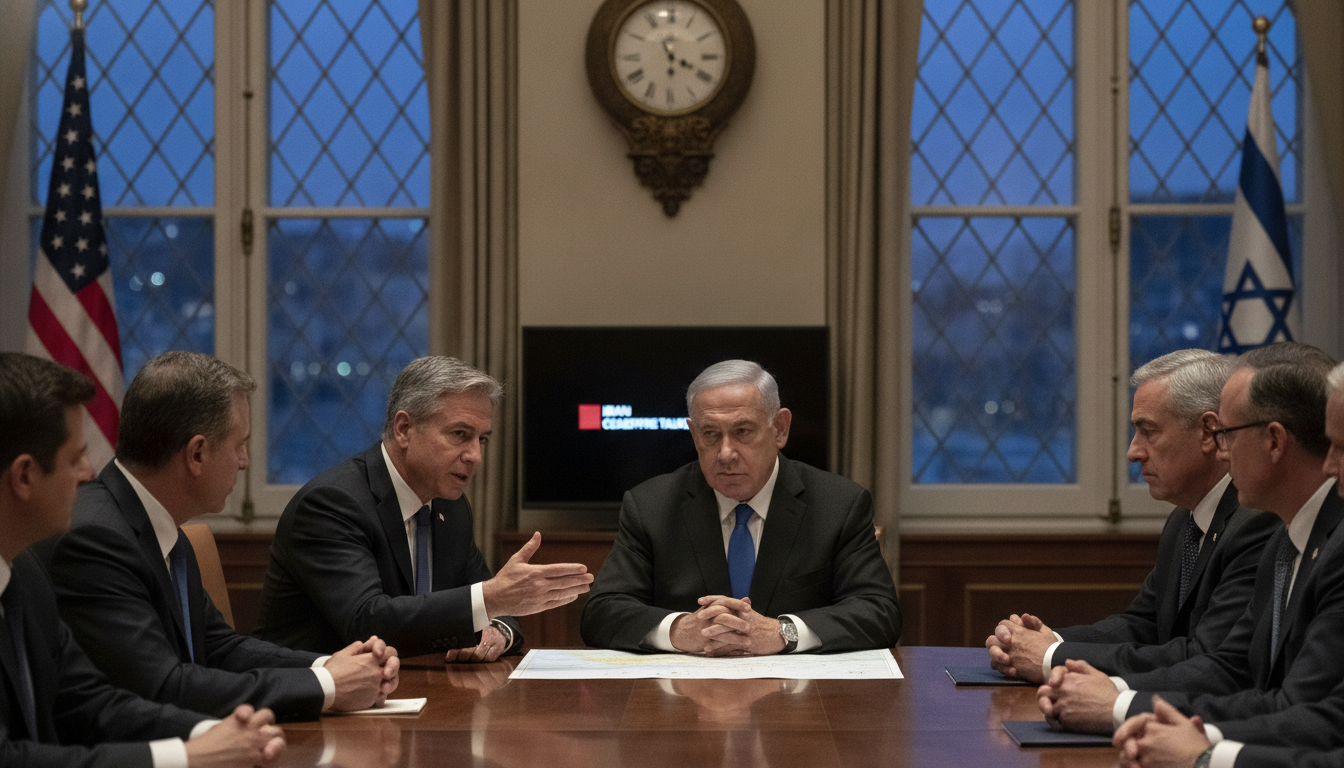
Israel-Lebanon ceasefire strain: U.S. warns Israel as strikes continue despite memorandum
U.S. frustration with Benjamin Netanyahu over the Israel-Lebanon ceasefire grows after a U.S.-Iran memorandum calls for a permanent halt to fighting in Lebanon while Israeli forces press on with strikes.
U.S. memorandum demands permanent halt in Lebanon
The memorandum of understanding between the United States and Iran explicitly calls for the “permanent termination of military operations on all fronts, including in Lebanon,” a provision that has become a central flashpoint as negotiations advance. Washington says the clause is non-negotiable and expects parties in the region to observe a comprehensive cessation of hostilities.
U.S. officials framed the MoU as a publicly available document that places stopping the war in Lebanon at the heart of a wider regional agreement, marking a departure from past, more opaque diplomatic efforts. The inclusion of Lebanon in the memorandum has complicated relations with Israel, which asserts operational freedom against Hezbollah and other threats.
Israeli operations continue despite MoU
Despite the memorandum’s language, Israeli military operations in Lebanon have persisted, with the Israeli government maintaining that counterattacks against Hezbollah and other groups are necessary for its security. Israeli forces have sought to consolidate territorial gains and continue offensive actions even as the MoU stresses Lebanese sovereignty and an end to military campaigns.
The sustained Israeli campaign has raised alarms among U.S. negotiators and other mediators, who say ongoing strikes undermine the technical talks intended to codify a broader regional ceasefire. Israeli leaders counter that their actions are defensive, but the gap between that position and the MoU’s demands has widened tensions with Washington.
Talks stalled as Iran links Lebanon to the ceasefire
Iran has repeatedly insisted it will not finalize any comprehensive ceasefire while Lebanon remains under attack, making the fate of the Israel-Lebanon ceasefire integral to the broader U.S.-Iran negotiations. Diplomatic sessions scheduled to work through technical terms were postponed after renewed overnight strikes in Lebanon led to significant civilian casualties.
Tehran’s stance is backed by its regional allies in what it calls the “resistance front,” including Hezbollah in Lebanon, which has been a major actor since it entered the conflict in response to earlier escalations. Iranian officials and analysts say Lebanon is the linchpin that could either secure the deal or cause it to unravel.
U.S. leaders publicly express frustration
Top U.S. officials have moved from discreet warnings to more direct public criticism of Israeli actions, signalling an unusually blunt stance toward a longstanding ally. The U.S. administration’s public messages emphasize that the memorandum must be respected and that civilian losses in Lebanon are unacceptable to Washington’s negotiating goals.
President Donald Trump publicly urged a complete ceasefire on all fronts, and his administration’s vice president reiterated that the U.S. retains significant leverage in the relationship with Israel. U.S. officials stressed that while Washington remains committed to Israel’s security, it expects Israeli conduct to align with the terms of the emerging regional accord.
Leverage and potential U.S. measures on Israel
Analysts and U.S. officials have highlighted the range of instruments Washington could use to influence Israeli policy, including diplomatic pressure, conditioning of military aid, and limiting operational support. The administration’s sharper public tone suggests it is prepared to apply some combination of these tools if Israel’s campaign continues to threaten the ceasefire framework.
Inside Washington there is debate about how far the U.S. will go to rein in Israeli military activity, with some observers arguing that political will is driven by the memorandum’s importance to the administration’s legacy. Others caution that overt pressure could provoke domestic and diplomatic backlash, complicating an already fragile process.
Regional risks and the fragile path forward
Continuing Israeli strikes carry the risk of widening the conflict beyond Lebanon, particularly if Iranian officials judge that their security demands are unmet and resume more direct actions. The memorandum’s authors intended the Lebanon clause to prevent such a spillover, but its effectiveness depends on enforcement and on all parties accepting limitations on military responses.
Mediators who helped arrange earlier ceasefire language have warned that Lebanon remains the most volatile test of any broader agreement. The coming days and weeks will test whether public U.S. admonitions and behind-the-scenes leverage can produce a sustained halt to hostilities in Lebanon and preserve the fragile architecture of a regional ceasefire.
The prospect of a lasting Israel-Lebanon ceasefire now hinges on whether Israel will halt operations that Iran and its allies view as deal-breakers, and whether Washington will convert its rhetoric into concrete measures to ensure compliance.
