
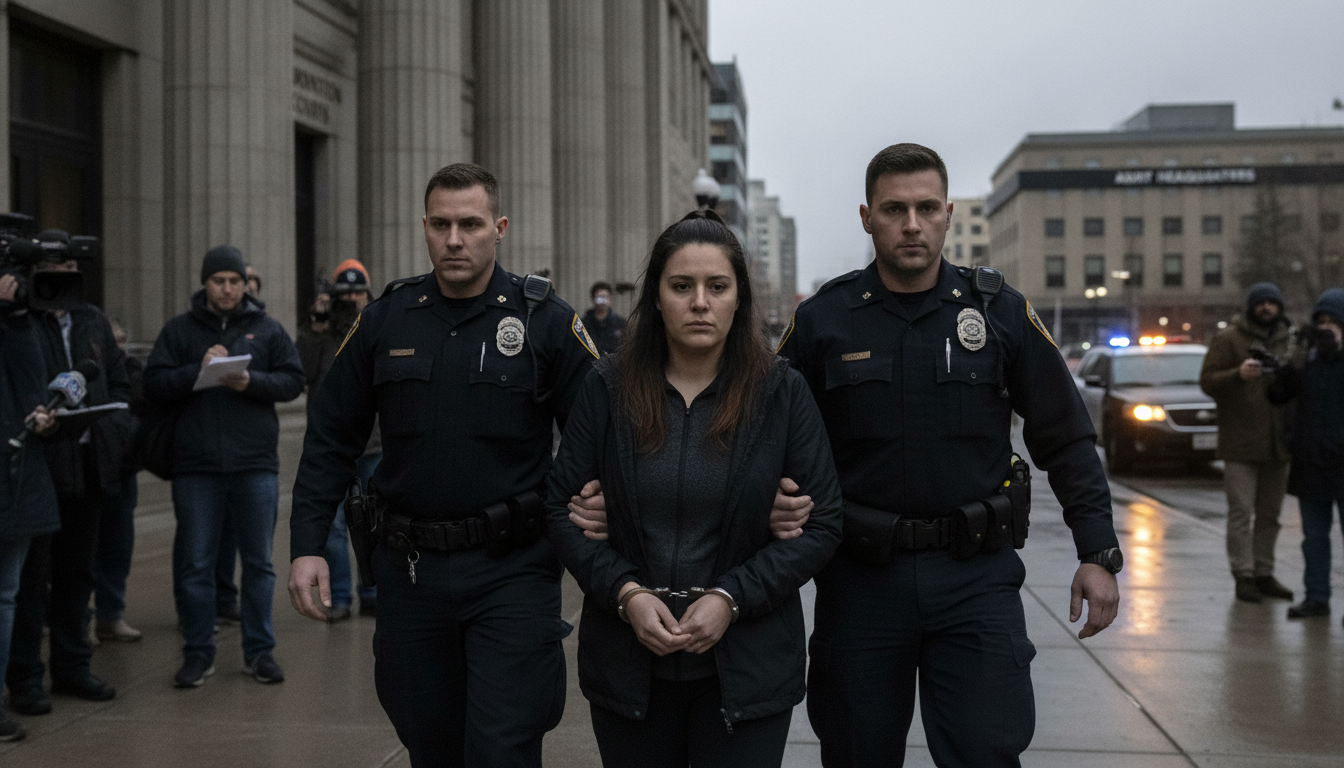
Edmonton police face watchdog probe after judge flags intervention in Ashley Rattlesnake case
Alberta watchdog launches probe into Edmonton police after judge criticised their conduct around the Ashley Rattlesnake plea and eight-year sentence in the death of Nina Dumais.
A provincial watchdog has opened an investigation into the Edmonton Police Service after a judge raised serious concerns about police actions surrounding the plea and sentencing of Ashley Rattlesnake, who was convicted in the death of eight-year-old Nina Napope Dumais. The issue erupted after the police publicly challenged a Crown manslaughter plea deal and produced a letter from a top EPS lawyer that prosecutors said risked undermining the judicial process. The development has intensified scrutiny of relations between the Edmonton police and the Crown, and prompted calls for a formal review of whether police conduct crossed legal lines.
Judge criticises Edmonton police conduct during sentencing
Judge Jody Fraser said police intervention during the case “came dangerously close” to interfering with the administration of justice, and reduced Rattlesnake’s sentence by one year as a result of that intervention. The judge’s remarks, made at the sentencing hearing, focused on the timing and tone of the police’s public objections to the Crown’s proposed plea agreement. His decision to account for police conduct in sentencing marks a rare instance in which judicial penalties were adjusted because of law enforcement behaviour.
The sentencing itself delivered an eight-year prison term for Rattlesnake after she pleaded guilty to manslaughter in the death of Nina Napope Dumais. The judge acknowledged the severity of the child’s injuries and the evidence of chronic abuse, while also noting the potential impact on the fairness of prosecutorial decision-making posed by the police campaign.
Letter from EPS lawyer escalated tensions with Crown
The dispute intensified after a senior Edmonton Police Service lawyer sent a sharply worded letter to the Crown, urging reconsideration of the manslaughter plea and warning that the service might make investigative materials public. That letter, which was later released at a police news conference, was signed off by senior EPS leadership and framed the plea deal as inadequate given the case evidence. The public disclosure and accompanying media strategy heightened tensions between police and prosecution and prompted political attention at the provincial level.
Prosecutors argued the letter and subsequent media engagement risked pressuring the Crown and could influence public perception of an ongoing prosecution. Police leaders defended their actions as necessary to seek accountability and to ensure the gravity of the case was fully understood by decision-makers and the public.
Timeline traces the child’s death and legal milestones
The sequence of events dates back to September 2022, when Rattlesnake became the sole caregiver for eight-year-old Nina Napope Dumais. In April 2023 Nina suffered a fatal head injury while in Rattlesnake’s apartment, and investigators later found evidence of chronic child abuse, including prior injuries that had healed without treatment. Police located her body days after the injury; several people were subsequently arrested and charged in connection with how the child’s remains were handled.
Over the following years the case progressed through preliminary inquiry and plea negotiations, culminating in Rattlesnake’s guilty plea to manslaughter in September 2025 and her sentencing in February 2026. Along the way, the case produced changes in local leadership and administrative moves that added complexity to an already high-profile prosecution.
Watchdog launches probe into potential police misconduct
On June 11, 2026 the Alberta Serious Incident Response Team announced it would investigate the Edmonton Police Service for potential misconduct related to the letter to the Crown and the public campaign that followed. The probe follows formal requests from legal advocacy groups and former investigators calling for an independent review of whether police actions improperly sought to influence prosecutorial discretion. The watchdog’s inquiry will examine communications, decision-making and whether any procedural boundaries were breached.
Legal observers say the investigation could have significant consequences if it determines police conduct undermined the integrity of the prosecution. At minimum, findings may prompt policy reviews inside EPS and lead to clearer protocols governing how police communicate about active prosecutions.
Political and institutional fallout in Edmonton’s justice system
The dispute has coincided with notable personnel changes across policing and prosecution in Edmonton. Senior Crown prosecutors were removed from their offices late in 2025, and there were high-level appointments and resignations within the Edmonton Police Service in the year prior. Provincial politicians, including the premier at the time, publicly weighed in as the conflict unfolded, reflecting the extent to which the case had become a flashpoint for public accountability and intergovernmental relations.
Those personnel shifts and public statements have fuelled debate about institutional independence and the appropriate roles of police, prosecutors and provincial authorities in high-stakes criminal matters. Stakeholders on both sides have called for transparency, while defence lawyers and civil-society groups have urged safeguards to protect prosecutorial discretion from external pressure.
The Alberta Serious Incident Response Team’s probe is now the central mechanism for determining whether Edmonton police conduct in the Rattlesnake matter crossed legal or ethical lines. The investigation is likely to examine the creation and release of the letter, internal approvals, and any public communications that followed.
As the formal inquiry proceeds, the families affected by the case continue to express frustration and grief at the circumstances of Nina Napope Dumais’s death and the subsequent legal disputes. The outcome of the watchdog review could shape policy and practice in Edmonton for years to come, influencing how police and Crown counsel interact in sensitive, high-profile prosecutions.
