
Britain Proposes Social Media Ban for Children Under 16, Plans Early 2027 Rollout
Britain proposes a social media ban for children under 16, aiming to curb online harms by restricting access to major apps, some gaming platforms and livestreaming services from early 2027.
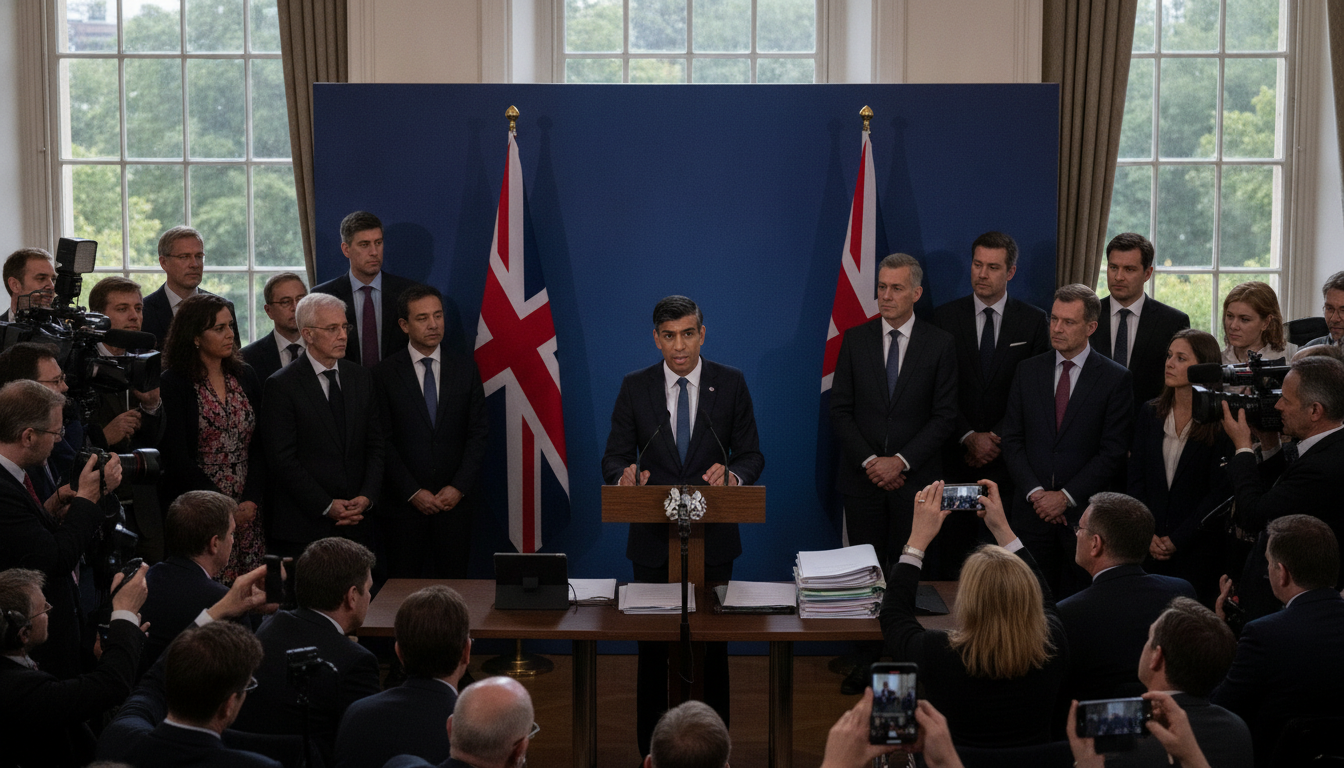
Prime Minister Keir Starmer announced that the government will introduce regulations later this year to prevent children under 16 from using mainstream social media services, saying the move is intended to protect young people’s mental health and safety.
Starmer outlines national safety rationale
Prime Minister Keir Starmer framed the proposal as a child-protection measure, arguing that new rules are necessary to address the growing body of evidence about online harms to young people.
His office said the measures will form part of a broader regulatory package to be published this year, and that enforcement will follow once legislation is in place and final rules are agreed.
Scope includes apps, game platforms and livestreaming
Officials indicated the ban will not be limited to traditional social networks but will also cover popular livestreaming apps and some multiplayer gaming platforms that include social features.
The government plans to define which services are in scope through secondary legislation and regulatory guidance, leaving room for exemptions where platforms can demonstrate robust age verification and safety controls.
Planned timetable and legislative route
The government said the framework will be set out later in 2026, with implementation expected in early 2027, subject to parliamentary approval and the completion of secondary regulations.
Ministers will need to navigate Commons and Lords scrutiny, and the timetable anticipates a transition period to allow platforms to adapt technology and compliance systems before the ban comes into force.
Reactions from parents, industry and opposition
Child safety campaigners welcomed the announcement as a decisive step to reduce exposure to harmful content and addictive design, while some parent groups urged clearer guidance on enforcement and digital literacy for families.
Technology companies signalled concern about implementation and potential costs, warning that technical limits on age verification and cross-jurisdictional enforcement could complicate compliance.
Potential legal and practical challenges
Legal experts say the proposal will face tests over proportionality and privacy, particularly if the government requires rigorous age checks that rely on personal data or biometric tools.
Enforcement overseas remains a practical hurdle, since many platforms operate from jurisdictions beyond the UK; regulators will need international cooperation or technical controls to restrict access effectively.
Implications for children, schools and public services
If enacted, the ban could shift how young people access information, entertainment and peer networks, placing new responsibilities on schools and community services to provide digital skills and supervised online spaces.
Public health and education bodies will likely be called on to expand support for mental health and digital literacy as the government and families adjust to the new rules.
The announcement marks a significant pivot in Britain’s approach to online regulation by prioritizing an age-based prohibition on general social platforms rather than relying solely on content moderation and platform-led safety measures.
