
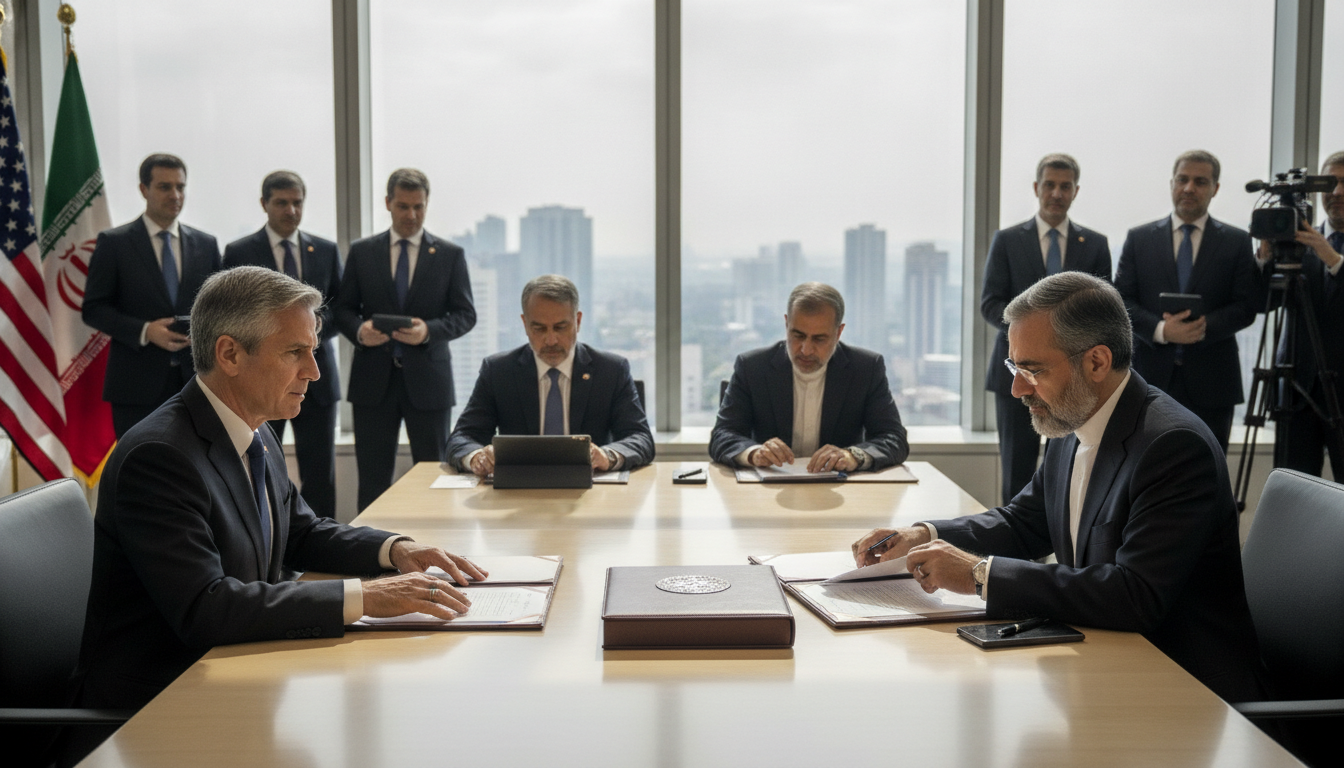
Iran–US agreement ends nearly four months of war and opens path to nuclear talks
Iran–US agreement halts nearly four months of fighting, promises release of frozen assets, an end to a US naval blockade and 60 days of nuclear negotiations under IAEA oversight.
The United States and Iran have reached a framework agreement intended to halt nearly four months of open hostilities and set the stage for negotiations on Tehran’s nuclear program.
The Iran–US agreement, disclosed in outline by Iranian state outlets on June 15, 2026, calls for a ceasefire, the release of frozen Iranian funds and a short window of intensive diplomatic talks.
Framework includes release of frozen assets
Iranian state media published a 14‑point outline described as the framework for the deal, although officials said the full text would only be released once signed.
The framework reportedly calls for the release of about US$24 billion in Iranian assets frozen abroad, to be disbursed over a 60‑day period, with roughly half available before formal talks begin.
Iranian deputy foreign minister Kazem Gharibabadi and other officials said the immediate release of those funds is a condition for starting final negotiations.
Tehran has framed the asset release as an urgent step to stabilize the economy and facilitate rapid reconstruction once hostilities cease.
Naval blockade and Strait of Hormuz arrangements
The agreement requires the United States to end a naval blockade that Washington imposed on Iranian ports and coastal approaches on April 13, 2026.
U.S. officials have publicly linked reopening the Strait of Hormuz to assurances that shipping will be safe and unfettered, while Iranian statements indicate a reopening on Iranian terms within 30 days.
President Donald Trump wrote on his social platform that the strategic strait would be reopened “without toll,” but Iranian outlets report Tehran sought language allowing maritime service fees administered in coordination with Oman.
French President Emmanuel Macron publicly urged there be no toll on transit, underscoring European concern that commercial shipping remain free from new levies or restrictions.
Sixty days of nuclear negotiations and scope
Under the framework, the ceasefire is a precursor to 60 days of focused negotiations aimed chiefly at Iran’s nuclear program and the question of enrichment.
Iranian negotiators have floated measures including diluting or neutralizing stocks of highly enriched uranium within Iran, and Western leaders say any deal must prevent enrichment to levels usable for weapons.
The framework contemplates both a timetable and international monitoring, with France and other G7 states calling for the International Atomic Energy Agency to supervise any neutralization or limits on enrichment.
Media reports have suggested U.S. proposals considered suspension periods ranging from 15 to 20 years, but negotiators remain in active discussion on the exact terms and verification mechanisms.
Sanctions, oil sales and economic implications
The outline signals a suspension of sanctions on Iranian oil and petrochemical exports as part of the initial package, which would immediately affect global energy flows.
Tehran has insisted that sanctions relief be substantive and rapid, linking economic reopening to the phased release of frozen assets and the withdrawal of some U.S. military elements from Iranian approaches.
Analysts caution that lifting sanctions will require detailed legal steps in Washington and possibly action at the United Nations to unwind long‑standing measures.
For Iran, the combination of asset inflows and resumed hydrocarbon sales would provide crucial foreign exchange for reconstruction and post‑conflict recovery.
Outstanding questions on missiles and regional proxies
Key regional and security questions remain unresolved, notably whether the talks will address Iran’s ballistic missile program or its support for armed groups across the Middle East.
Israeli officials and other regional actors have called those issues central; Iranian outlets attributed to Mehr assert that ballistic and proxy programs were removed from the negotiation agenda.
Iranian negotiators say reconstruction, economic development and mechanisms to enforce compliance are part of follow‑on discussions, but the exclusion or inclusion of weapons‑related topics will be decisive for regional security.
Diplomats caution that even if a nuclear and economic framework moves forward, the absence of agreement on missiles and regional activities could leave core tensions unaddressed.
International responses and next steps
European leaders, regional partners and multilateral agencies are preparing to engage quickly if the framework is finalized, with the IAEA expected to play a central monitoring role.
Officials in Tehran said final talks will begin only after key commitments — including ending the naval blockade, ceasing military operations and releasing funds — are visibly implemented.
The coming days will test whether the framework can be translated into a signed agreement and concrete actions on the ground, including shipments of funds and changes in naval posture.
If implemented, the Iran–US agreement would mark a sharp reversal from months of confrontation and set an uncertain but potentially stabilizing course for diplomacy and reconstruction.
The scope and durability of any settlement will depend on the detail and verifiability of commitments, the willingness of outside powers to de‑escalate, and whether remaining contentious issues can be folded into subsequent negotiations.
