
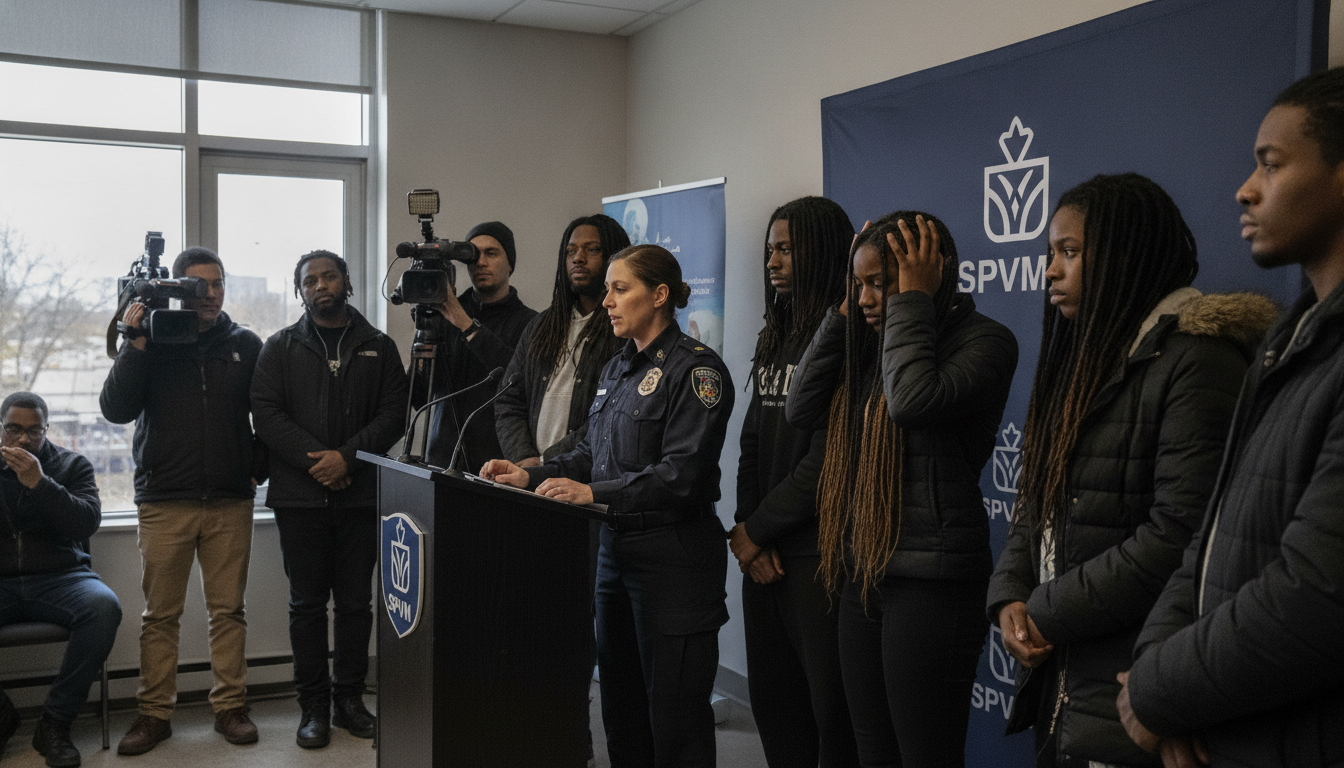
Investigation into Montreal-Nord police racism alleges officers cut and kept dreadlocks
Montreal-Nord police racism allegations have prompted an internal SPVM probe after community groups said officers cut and collected pieces of dreadlocks from Black and Arab people during arrests. Sixteen officers from station 39 are under investigation amid condemnations from local organizations and politicians. Fourteen officers were reassigned and two suspended as the service pursues an internal review while community leaders demand transparency and systemic change.
Investigation opened into station 39 officers
The Service de police de la Ville de Montréal (SPVM) has launched an internal investigation into the conduct of 16 officers assigned to poste 39 in Montreal-Nord. The probe follows allegations that officers engaged in racially targeted behaviour during street interventions.
Police authorities have said they will review the allegations internally, while noting that some personnel have been moved to other duties and two have been suspended pending the outcome. Community groups and civil-rights advocates say the action is a necessary first step but not sufficient on its own.
Allegations include cutting and collecting dreadlocks
Sources within the community allege that officers removed portions of individuals’ hair — specifically dreadlocks or “rastas” — during arrests and kept those fragments as trophies. Those accusations, if substantiated, would mark an escalation from routine claims of biased policing to actions described by residents as dehumanizing.
Local leaders stressed the alleged conduct targets visible markers of identity tied to race and religion, intensifying the sense of harm. Advocates emphasize that the wording “alleged” is important while calling for a thorough and independent assessment.
Community groups describe long-standing mistrust
Representatives from community organizations in Montreal-Nord called the allegations shocking and said they reflect a pattern of mistrust between residents and law enforcement. Prominent local figures noted that many in the neighbourhood are not surprised, pointing to repeated experiences of racial profiling over the years.
Groups such as Maison d’Haïti and youth-focused organizations said the incidents revive memories of earlier confrontations and underline the persistent anxiety among Black and Arab residents. They urged swift action to rebuild trust through concrete measures and consistent engagement.
Political and civil-society responses across Montreal
Elected officials and civil-society actors uniformly condemned the reported behaviour, framing the allegations as intolerable and demanding accountability. Commentators and legal experts argued the acts described — if proven — could amount to more than discriminatory misconduct and might carry criminal implications.
Several community leaders praised the SPVM for initiating visible disciplinary steps but stressed that reassignment and suspension must be accompanied by openness and cooperation with external oversight bodies. Calls for the SPVM to communicate directly with Montreal-Nord residents and watchdog agencies were loud and persistent.
Calls for improved complaint mechanisms and transparency
Advocates said the episode highlights gaps in complaint processes that leave citizens reluctant to report wrongdoing or unsure their concerns will be treated seriously. They called for robust, accessible channels that ensure allegations are taken up rigorously and transparently.
Community representatives also asked for regular updates about the investigation’s scope, timelines and findings, and for the involvement of independent human-rights organizations to assess systemic issues. Many reiterated the need for training, recruitment practices and cultural-change initiatives to guard against future abuses.
Historical context: a neighbourhood marked by repeated confrontations
Speakers referenced a history of fraught encounters between Montreal-Nord residents and police, including high-profile episodes that have left deep public scars. Past incidents were cited to explain why community members receive such allegations with both anger and weary familiarity.
Experts on race relations said the repetition of these tensions demonstrates the importance of sustained, structural reforms rather than short-term fixes. They argued that rebuilding trust will require sustained collaboration among the SPVM, municipal authorities, civil-society groups and those directly affected.
Community leaders say they want more than symbolic gestures; they want systems that prevent abuse and ensure victims are heard and protected. The ongoing SPVM investigation will be watched closely by residents, advocacy groups and elected officials as they await the findings and potential disciplinary or legal steps.
