
ASIRT links Edmonton police shooting to threatening calls and mental-health triggers
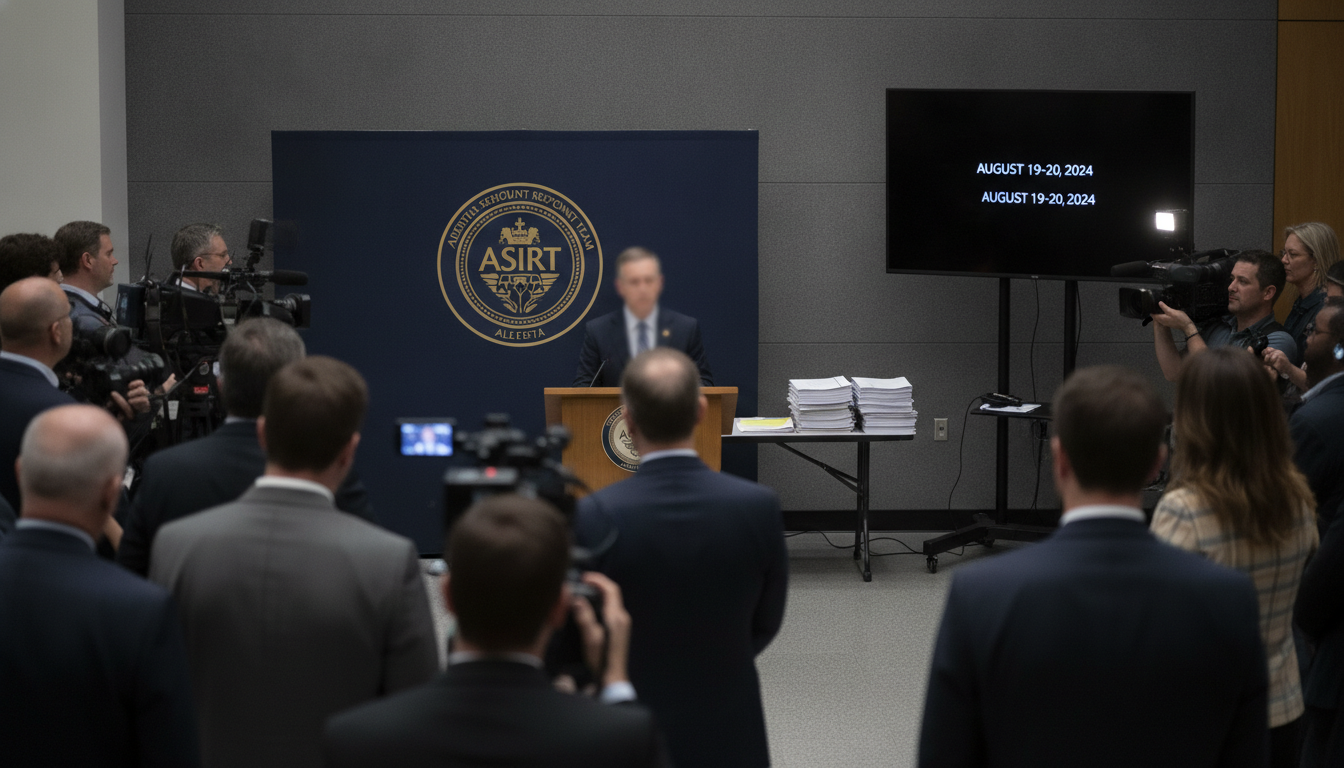
ASIRT says man shot by police made threats to EPS on Aug. 19–20, 2024, citing frustration with the chief’s remarks and worsened mental health in a report.
The Alberta Serious Incident Response Team (ASIRT) says the man who was shot by police had made a series of threatening phone calls to the Edmonton Police Service on Aug. 19–20, 2024, a development central to an ongoing Edmonton police shooting investigation. ASIRT’s one-and-a-half page report states the individual told investigators he was driven to threats by frustration over comments made by the police chief and by the impact those comments had on his mental-health struggles related to past police encounters. The report does not identify the man and offers limited detail beyond the account of the calls and his stated motivation.
ASIRT’s summary of the calls
ASIRT’s brief report documents that the calls occurred over a two-day span in late August 2024 and that they contained threats directed at the Edmonton Police Service. The investigative document attributes the account of the calls and the man’s stated reasons directly to the individual itself, without naming him. The report is described as a concise, one-and-a-half page summary focusing on the immediate circumstances that preceded the police response.
Subject’s explanation and mental-health link
According to ASIRT, the man told investigators his actions were in part a reaction to remarks by the police chief, which he said intensified pre-existing mental-health issues stemming from prior interactions with law enforcement. The report frames the threats as tied to both emotional frustration and longstanding mental-health concerns, suggesting the shooting occurred amid acute psychological distress. ASIRT’s account stops short of detailing the specific remarks by the chief or providing corroborating evidence beyond the subject’s statements.
Context of the Edmonton police shooting
The ASIRT report positions the threatening calls as a precipitating factor in the Edmonton police shooting, though it does not provide a full operational timeline or describe the tactical actions of officers at the scene in detail. ASIRT is the provincial civilian agency charged with investigating incidents involving serious injury or death where police actions are implicated, and its summaries typically precede a fuller file or public release when appropriate. The report’s limited scope leaves a number of factual elements — including how the calls were assessed by EPS and the precise sequence of the shooting — for further clarification.
Investigative jurisdiction and procedural next steps
ASIRT’s involvement indicates the incident met the threshold for an independent civilian investigation under Alberta practice, which is intended to preserve impartiality when police conduct results in serious outcomes. The agency’s short report serves as an initial public record; it can be followed by more detailed findings, recommendations, or referral decisions depending on the evidence gathered. Any subsequent disclosure, criminal charges, or internal service reviews would flow from the results of ASIRT’s inquiries and the decisions of prosecutors or police oversight bodies.
Legal and public-safety considerations
The intersection of threatening behaviour, mental-health concerns and police use of force raises complex legal and public-safety questions. Independent investigators must weigh the credibility of threats, assess proportionality of response, and determine whether de-escalation or alternative interventions were feasible. Lawyers and civil liberties experts typically note that both the safety of officers and the care needs of persons in crisis are relevant to evaluating such incidents, and those perspectives are likely to shape any public or judicial review.
Calls for greater clarity on mental-health response
Observers of policing and mental-health advocacy groups often call for clearer protocols and better resourcing when community members experiencing illness come into contact with law enforcement. ASIRT’s note that the subject linked his conduct to prior negative police interactions underscores the broader debate over how services coordinate mental-health supports and crisis response. The report may prompt renewed scrutiny of local strategies for diverting people in distress toward health-led responses whenever possible.
Community leaders and officials have not been quoted in ASIRT’s one-and-a-half page summary, and the document does not record statements from Edmonton Police Service spokespeople. The limited public information in the report leaves questions about whether EPS has revised procedures or is cooperating on reforms related to crisis intervention.
ASIRT’s initial summary makes clear that the threatening calls and the subject’s account of being provoked by the chief’s remarks are part of the record in the Edmonton police shooting matter. Further details, including investigative evidence, officer statements, and any determinations about the appropriateness of force, will depend on ASIRT’s continuing work and any subsequent releases by the agency or prosecutorial authorities.
