
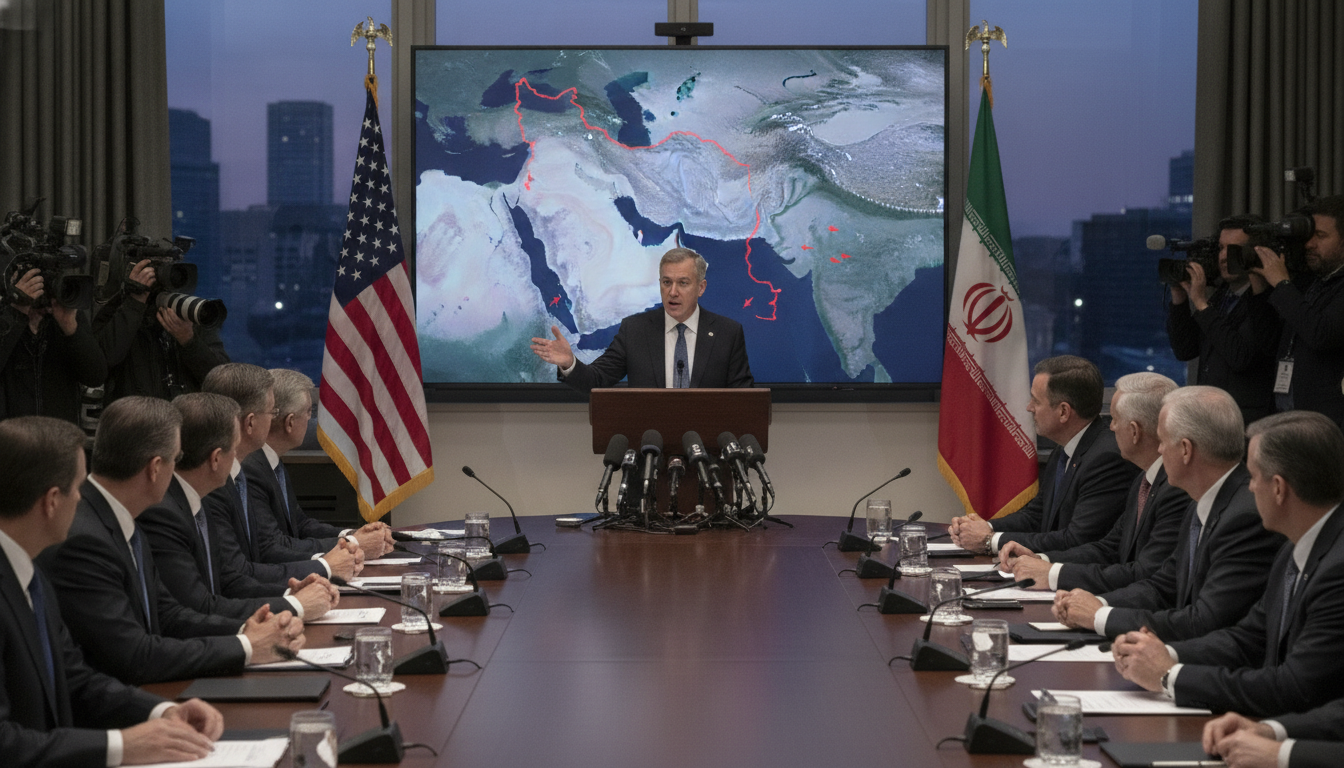
U.S. strikes Iran overnight as Trump vows to seize Kharg island and oil terminals
U.S. strikes Iran overnight escalate tensions after President Trump threatened to seize Kharg island and other oil infrastructure, risking wider regional conflict.
The United States carried out strikes across Iran overnight, striking at military surveillance, communications and air-defence sites, while President Donald Trump publicly threatened to seize the island of Kharg and key oil terminals. The escalation has frayed a fragile ceasefire and prompted reciprocal attacks by Iran on regional targets, raising concerns about a broader confrontation that is already driving oil prices higher. Diplomats from Qatar and other mediators have been involved in talks but negotiators say momentum toward an agreement has stalled.
Trump’s threat to seize Kharg island and oil terminals
President Trump posted on his social platform that the U.S. would "take Kharg island and other oil infrastructure" and asserted an intention to control Iran’s oil and gas markets. The president compared the possible action to past American measures in Venezuela, framing the move as part of a campaign to deprive Iran of revenue sources. White House spokespeople have described the messages as reflecting a hard-line posture intended to pressure Tehran, while critics warn such statements risk provoking direct confrontation.
U.S. military describes targets and scope of strikes
U.S. defence officials said the operations targeted Iranian military surveillance installations, communications networks and integrated air-defence systems at multiple sites across the country. The strikes followed earlier, more geographically limited attacks in the south and represented a wider campaign closer to Tehran, according to military briefings. Iranian state and local media reported explosions in several cities and provinces, including the southern port region and locations nearer the capital, with at least three people reported wounded.
Iranian retaliation and regional spillover
Tehran responded by launching a volley of missiles toward a U.S. facility in Azraq, Jordan, which American officials said were intercepted. Iranian forces also struck targets in neighbouring Gulf states and launched attacks that impacted shipping and airspace in the region. Civilian injuries were reported in Bahrain after debris from a downed drone struck a child, and Kuwait briefly closed its airspace after threats and incidents in the Persian Gulf and Sea of Oman.
Maritime incidents and Strait of Hormuz tensions
The strategic Strait of Hormuz, through which a substantial share of the world’s oil once transited, is again at the centre of the crisis after Iran said it would bar passage and its forces reported striking vessels attempting to transit. The British maritime agency UKTMO has reported a vessel burning off Oman’s coast, while naval authorities said two ships were struck in the area. A separate incident earlier in the week involved a tanker targeted by U.S. forces, which Washington said was attempting to breach a blockade; three Indian seafarers were killed in that attack.
Diplomatic efforts falter amid renewed fighting
Qatari negotiators had been in Tehran for talks coordinated with the United States, but officials report that progress toward a binding agreement has evaporated amid the latest hostilities. Pakistan, which has acted as a principal mediator, described the situation as "difficult to stay optimistic" about and urged a return to diplomacy. President Trump had days earlier promised an imminent deal with Iran, a claim repeated several times during the conflict, but those assurances collapsed as both sides resumed aggressive operations.
Economic and humanitarian consequences deepen
The renewed fighting has pushed global oil benchmarks sharply higher from prewar levels, with the Brent crude reference climbing substantially as markets price in supply risk from the Gulf. Energy analysts warn that prolonged disruptions or a blockade of Iranian ports and export facilities would keep prices elevated and strain global supply chains. Humanitarian reports from Lebanon and other battle zones underscore the conflict’s wider toll; intensive Israeli air operations in southern Lebanon have led to thousands of civilian deaths and the displacement of large populations.
The current spike in kinetic activity has erased much of the fragile stability established by the April ceasefire and set off a rapid sequence of military and diplomatic reactions across the Middle East. International actors are calling for restraint even as military leaders on both sides maintain aggressive postures, leaving the region at acute risk of further escalation.
For now, diplomatic channels remain active but strained, and maritime and energy markets are braced for continued volatility as the U.S. strikes Iran and Tehran’s reprisals reshape the immediate security landscape.
