
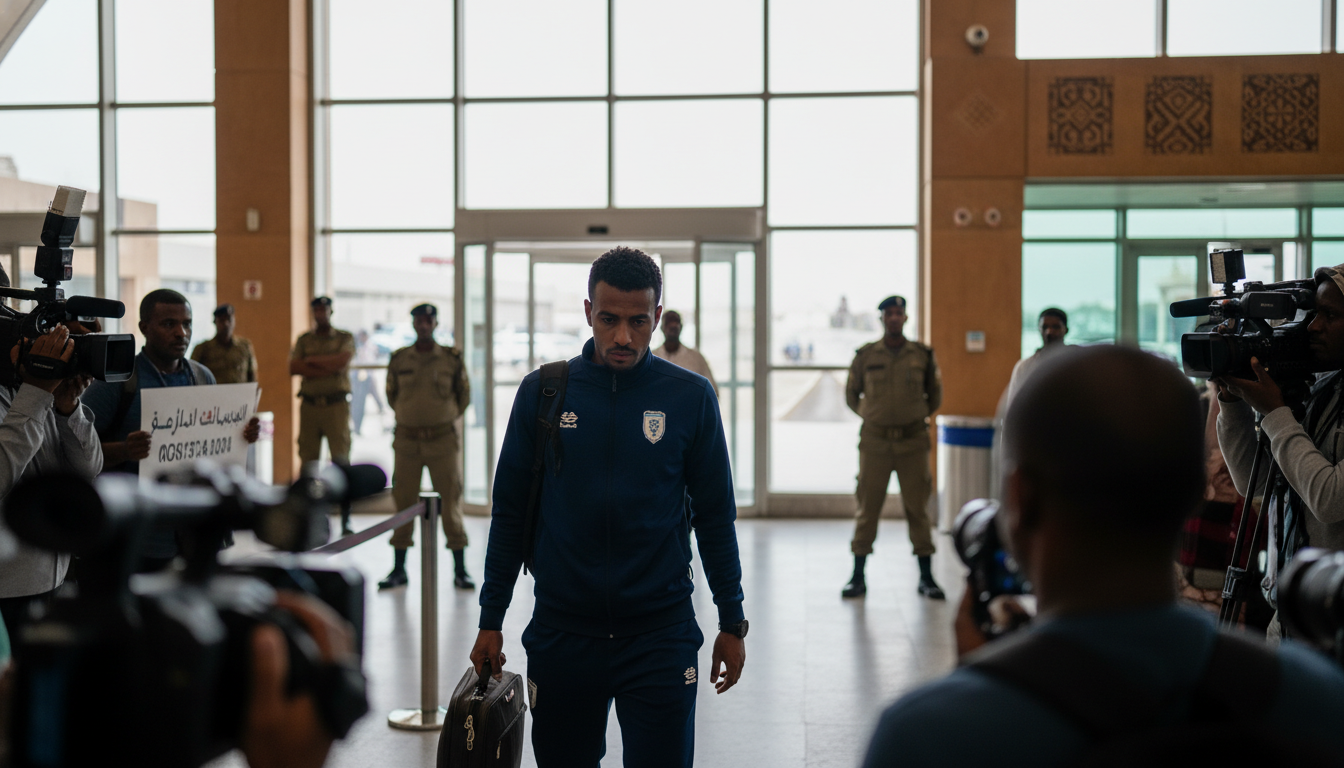
Somali World Cup referee denied entry returns to hero’s welcome in Mogadishu
Somali World Cup referee denied entry at Miami airport was greeted by supporters on his return to Mogadishu, urging pride and promising to aim for the next tournament.
A World Cup referee from Somalia who was denied entry to the United States returned to Mogadishu on Wednesday and was met by a large crowd of supporters, government officials and members of the football community. The Somali World Cup referee denied entry at Miami airport — Omar Artan — had been scheduled to join other match officials in the U.S. before being turned away on vetting grounds, and was subsequently removed from FIFA’s list for the tournament. He vowed to aim for the next World Cup and used his arrival to call on Somali youth to stay proud of the country.
Arrival and public reception
Hundreds gathered at Aden Adde International Airport hours before Artan’s plane touched down, waving Somali flags and awaiting his arrival. Supporters surged forward as he disembarked, draping him in the national flag and escorting him through the terminal amid cheers. Somalia’s sports minister and other dignitaries were on hand at the VIP area to greet Artan and escort him to a press appearance. The reception was described by attendees as a show of national pride and solidarity after the unexpected turn of events abroad.
U.S. denial cited “vetting concerns”
U.S. Customs and Border Protection said Artan was denied entry at Miami International Airport over unspecified “vetting concerns,” without providing further detail. The Somalia Embassy in Kenya confirmed that a visa had been issued for his travel to the United States prior to his departure. Artan had been due to join a training base in Miami with other World Cup referees as part of preparations for officiating at the tournament.
FIFA cuts referee from tournament roster
Following the U.S. denial, FIFA removed Artan from its final list of match officials for the World Cup, ending his immediate chance to officiate at the competition. Artan had been poised to be the first Somali referee to take the field at a World Cup, a milestone recognized by colleagues and observers across African football. He was also recently honored in continental awards, underscoring his standing among Africa’s top referees.
International and rights-sector reactions
The decision prompted sharp reaction internationally, with critics questioning the implications of denying a FIFA-appointed official entry to a World Cup host country. The United Nations’ senior human rights official urged a “massive rethink” of immigration policies in the context of the tournament, highlighting concerns about access for participants and the broader message such denials send. Observers argued the incident raised questions about how host nations balance security and the open logistics needed to stage a global sporting event.
Somali leaders and public figures weigh in
Somali officials and prominent figures publicly rallied around Artan, praising his achievements and framing the denial as a setback that would not erase his professional accomplishments. At the airport, Artan thanked the Somali government, his supporters and international sports bodies for their backing. He told the crowd, “I promise you, God willing, that I will attend the next one,” a pledge that was widely reported and embraced by those present as a symbol of resilience.
Symbolic impact for Somali youth and sport
For many in Somalia — where decades of conflict and the presence of extremist groups have constrained opportunities — Artan’s selection for the World Cup had already carried symbolic weight. His journey to the final roster inspired conversations about what young Somalis can achieve in sports despite systemic challenges. Supporters said that, even without taking the field this time, Artan’s rise to the world stage had an enduring motivational effect for aspiring athletes and officials in the country.
Somalia now faces a moment of reflection on the international stage as its football community and government weigh next steps to support officials and athletes seeking to participate in global competitions. Artan’s return was framed domestically as both a personal triumph and a call to collective action to expand opportunities for Somalis in international sport.
