
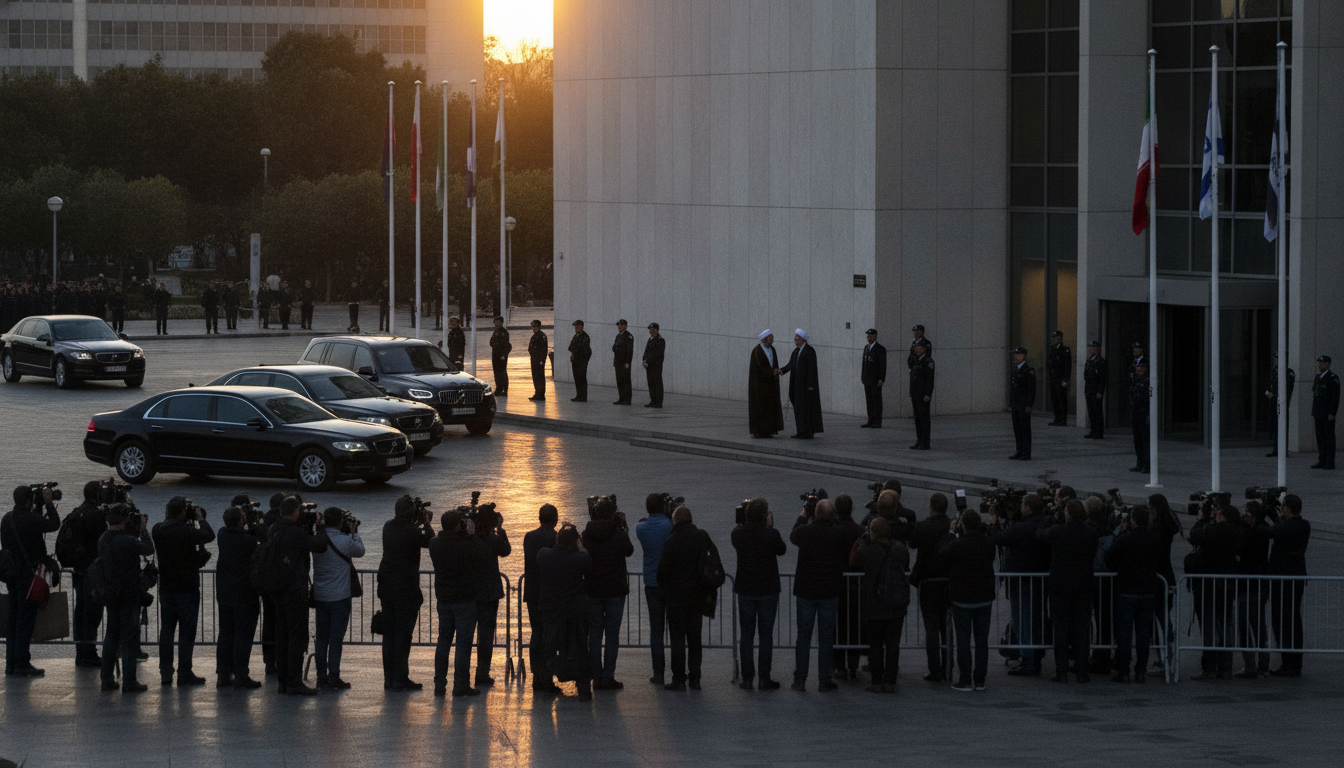
Iran and Israel De-escalation Follows Hours of Cross‑Border Fighting
Iran and Israel de-escalation signaled on June 8, 2026 after hours of cross-border strikes; both sides say they will step back amid a fragile cease-fire.
A brief but intense exchange of strikes between Iran and Israel on June 8, 2026 ended with both capitals signaling a willingness to de-escalate after several hours of military action, officials and statements indicated. The clashes marked the first direct exchange of strikes between the two states since April and briefly ruptured an uneasy cease-fire that had limited wider confrontation. Each side said it had struck military targets and then moved to reduce immediate tensions, while independent confirmation of damage and casualties remained limited. Diplomats and regional observers warned that the situation remains volatile despite the gestures toward restraint.
Hours of Cross-Border Strikes
Both Tehran and Jerusalem reported carrying out strikes during a period of sustained exchanges that lasted several hours on June 8, 2026. The confrontations involved a mix of missile and aerial activity, according to public statements released by military spokespeople on both sides. Officials framed the strikes as targeted responses to perceived military threats rather than attempts at broad escalation. After the exchanges, both governments issued signals aimed at tamping down further immediate hostilities.
First Direct Exchange Since April
This is the first confirmed reciprocal strike between Iran and Israel since a previous series of incidents in April of 2026, underscoring how fragile the cease-fire has been. Analysts say the April episodes had already raised regional alarms by demonstrating how quickly limited actions can spiral. The June 8 exchanges revived concerns that miscalculation or rapid retaliation could draw in proxies and neighboring states. For now, both capitals appear to have stepped back from further direct strikes, but military postures remain alert.
Statements from Tehran and Jerusalem
Official statements from Tehran emphasized that its actions were calibrated and aimed at military targets, while Israeli officials described their response as defensive and necessary to deter threats. Both governments used language stressing restraint in follow-up comments, saying they sought to prevent a wider conflagration. State media in each country framed the events in terms of protecting national security, while avoiding rhetoric that would explicitly invite further escalation. Western and regional diplomats meanwhile pressed for communication channels to remain open.
Regional and International Responses
Capitals across the Middle East and global powers called for calm, urging a rapid return to the cease-fire framework that had limited hostilities until June 8. International organizations and diplomatic envoys underlined the risk of broader destabilization if reciprocal strikes continue or expand. Several governments privately signaled that quiet diplomacy was underway to reinforce de‑escalatory steps and to try to prevent involvement of allied militias or proxy forces. Observers cautioned that high-level contacts will be essential to translate the verbal commitments into durable restraint on the ground.
Impact on Border Areas and Civilian Life
Residents in border regions reported alarms and temporary disruptions as air defenses and alert systems were activated during the exchanges. Local authorities described measures to protect civilian populations, including advisories to stay clear of sensitive facilities and to monitor public safety updates. At this stage, independent verification of casualties or significant infrastructure damage has been limited; humanitarian agencies said they were monitoring developments and preparing to respond if needed. The psychological effect of even short bursts of fighting has renewed civilian concerns about the prospect of renewed conflict.
Risks to Wider Regional Stability
Experts warn that any breakdown in the loose restraints that have governed Iran-Israel interactions could have ripple effects across the region, potentially drawing in allied groups or escalating maritime and energy security risks. The recent exchange highlights how localized strikes can affect shipping lanes, diplomatic ties, and the broader balance of deterrence that has held in place despite persistent tensions. Analysts say sustained diplomatic engagement and transparent incident reporting are critical to reducing the chance of erroneous escalation.
The coming days will test whether the public pledges to de-escalate translate into sustained measures to reduce tensions, including clear communication between military commands and renewed diplomacy. Observers will be watching for any follow-up operations, official verification of damage or casualties, and the extent to which international mediators can help reinforce the fragile cease-fire. Continued restraint by both sides, backed by effective channels for crisis management, will be essential to prevent a return to broader hostilities.
