
U.S. Forces Shoot Down Iranian Drones Near Strait of Hormuz as Conflict Reaches 100 Days
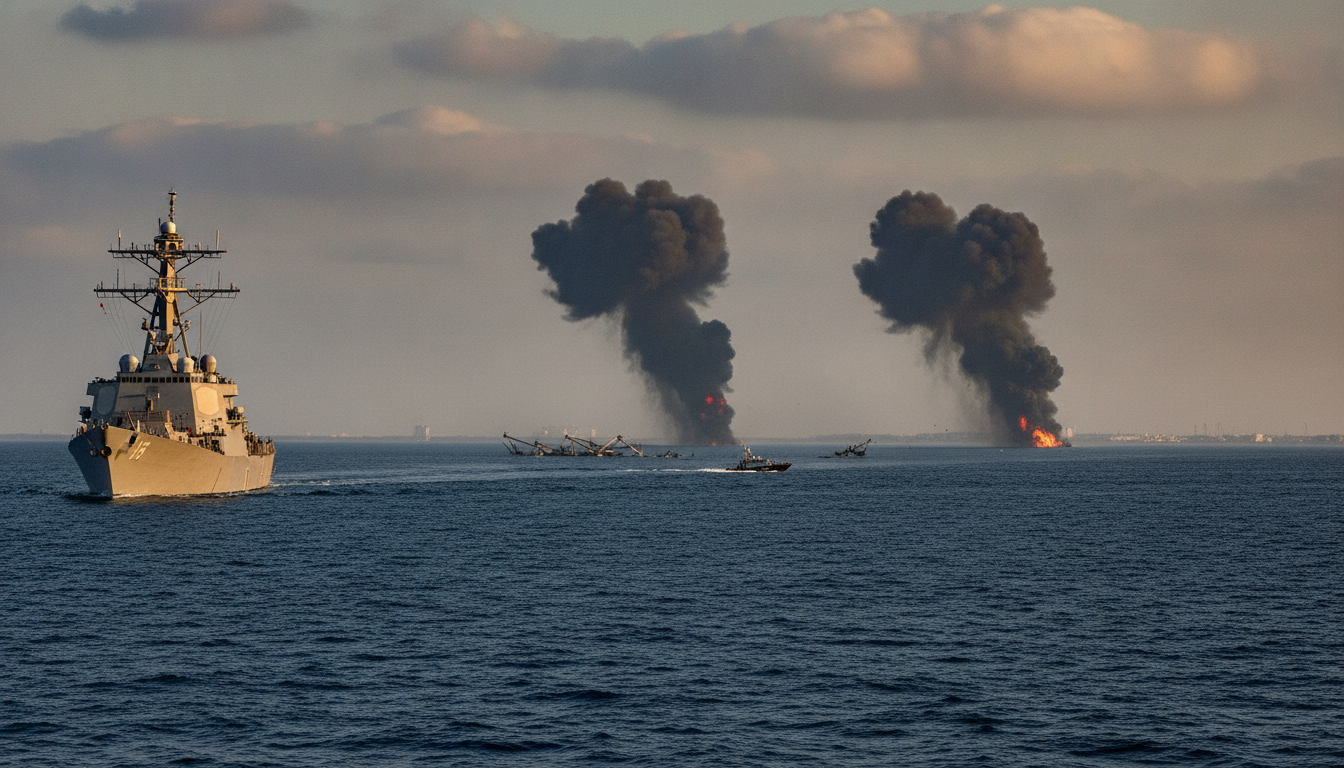
U.S. military forces said they shot down two Iranian attack drones that threatened shipping in the Strait of Hormuz as the Middle East war reached its 100th day on June 7, 2026, raising new concerns for global trade and markets.
The U.S. military reported overnight on June 7, 2026 that it intercepted and destroyed two one-way Iranian attack drones over waters leading into the Strait of Hormuz, saying the unmanned systems posed a direct risk to international shipping. The strikes came as the wider Middle East conflict—triggered by strikes on February 28, 2026—entered its 100th day and coincided with renewed exchanges of fire on the Lebanon front. U.S. officials said forces remain on heightened alert to protect commercial traffic through the strategic waterway.
U.S. military account of the drone strikes
The Pentagon described the drones as single-use, offensive systems aimed at maritime targets, and said U.S. assets engaged them after determining the devices threatened civilian shipping lanes. U.S. spokespeople emphasized the action was taken to preserve freedom of navigation and the safety of mariners transiting a corridor through which a significant share of the world’s oil flows. Washington framed the intercepts as defensive steps amid an uptick in Iran-linked operations around the waterway.
Impact on shipping and energy routes
The Strait of Hormuz is a choke point for global energy shipments, and any escalation there raises the prospect of disruptions and higher oil prices. Commercial vessels have at times been forced to anchor off Oman’s Musandam peninsula as tensions spike, lengthening voyages and increasing insurance costs. Maritime operators and energy analysts warned that repeated incidents could push shippers to reroute or delay sailings, putting further strain on already volatile markets.
Escalation on the Lebanon front and regional reprisals
Alongside activity in the Gulf, fighting resumed in Lebanon, where projectiles were launched toward Israel despite a nominal ceasefire, prompting Israeli strikes on the southern suburbs of Beirut. Lebanese and Iranian-aligned groups have traded fire with Israeli forces in recent weeks, and Tehran has publicly warned of firm responses to attacks on allied positions. The renewed violence underlines how the conflict has spread beyond its initial theatres and continues to involve proxy actors across the region.
Diplomatic efforts and a Pakistani mediation push
Diplomatic channels remain active but strained: Pakistan’s interior minister, Mohsen Naqvi, traveled to Tehran and delivered a confidential letter addressed to Supreme Leader Mojtaba Khamenei, officials said, as part of a broader mediation initiative. Negotiators from the United States and Iran have held intermittent talks, yet Tehran’s foreign ministry spokesman described the process as slow and complicated, citing shifting positions among U.S. interlocutors. Mediators caution that progress is fragile and that several core issues remain unresolved.
Economic hardship inside Iran and public mood
Iranian citizens report mounting economic pain as the conflict drags on and sanctions keep financial flows constrained, with many families curtailing purchases and leisure spending to cover essentials. Prices for food and other staples have surged in some cities, forcing households to trim portions and postpone plans that were routine months earlier. The combination of military losses, targeted strikes on senior figures, and an economy under pressure has contributed to a pervasive sense of uncertainty among ordinary Iranians.
Frozen assets, compensation proposals and World Cup complications
A central sticking point in negotiations is Tehran’s demand for release of frozen overseas assets, which Washington has linked to broader security guarantees and a cessation of hostilities. U.S. officials have discussed alternatives that could redirect some funds to compensate Gulf states that were targeted in attacks, a measure that would complicate any direct transfer to Tehran. The dispute has also spilled into sport: Iran’s national football team staged base operations in Tijuana ahead of World Cup matches in the United States, but visa issues for some members of the delegation remained unresolved as officials worked through diplomatic and security clearances.
As the conflict passes the 100-day mark, there are no clear signs of a breakthrough and negotiators appear to be engaged in piecemeal diplomacy while combatants and proxies continue to test each other’s thresholds. The dual pressures of military escalation near the Strait of Hormuz and persistent violence in Lebanon create a volatile mix that threatens civilian safety, regional stability, and global supply chains until a durable agreement is found.
