
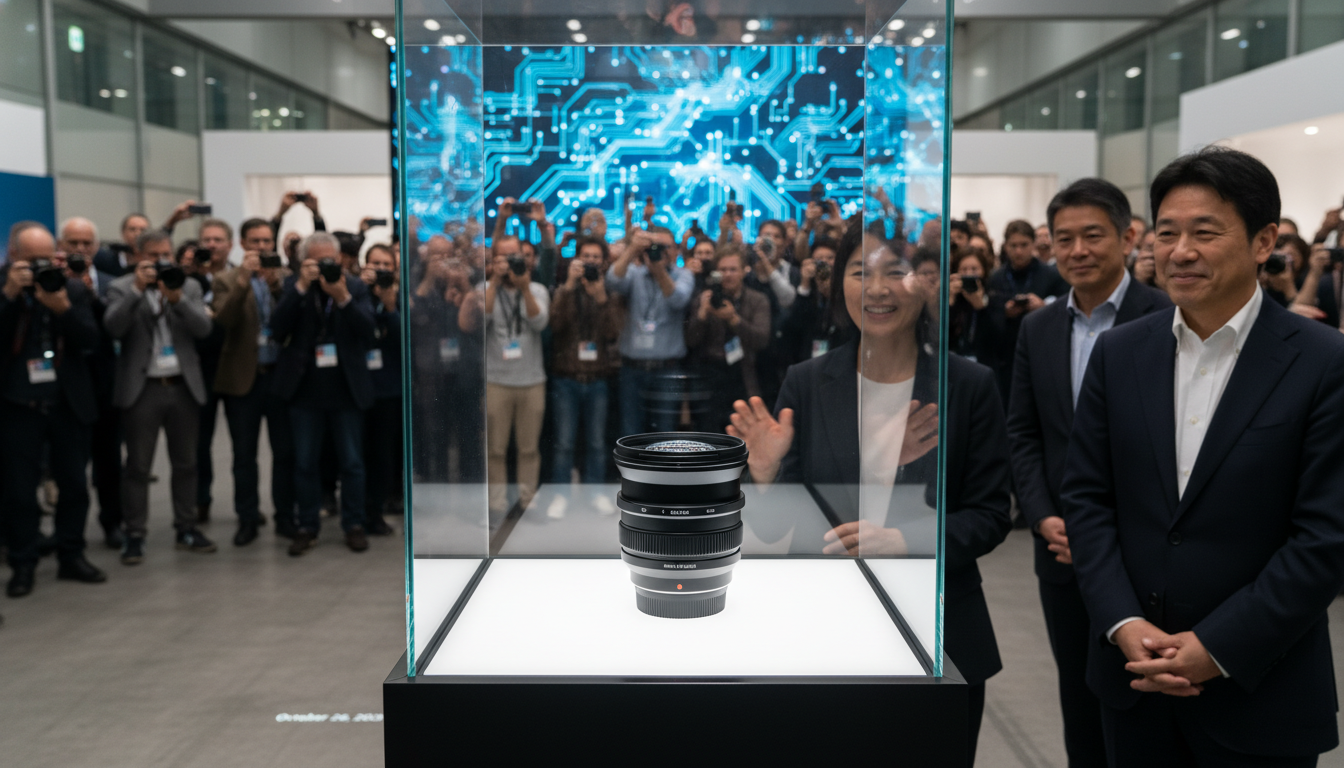
Noctilux M-35 Debuts as Lighter, More Compact Fast Lens
Noctilux M-35 lands in stores late January, priced around €9,000, and represents the first product to fully use the manufacturer’s new production technology.
The Noctilux M-35, the first product built to make full use of a newly deployed manufacturing technology, reached retail shelves in late January for approximately €9,000. The lens is being marketed as a noticeably lighter and more compact successor to earlier models while maintaining its high light-gathering capability. Jan-Helge Staasmeyer, head of toolmaking, said the team had pushed the limits of what they can physically achieve in production. Early availability in select markets has focused on specialist retailers and professional outlets.
Launch and availability
The Noctilux M-35 became available to buyers at the end of January, with initial distribution concentrated in core photography markets and specialist dealers. Pricing has been set at roughly €9,000, reflecting the lens’s positioning in the premium optical segment. Orders in the first weeks were directed toward professional photographers, collectors, and enthusiasts seeking high-performance prime optics.
Retailers report constrained but steady supply as production ramps up to meet demand. The manufacturer has signaled that supply will expand gradually as the new production processes mature and throughput increases.
Design and optical performance
Engineers describe the Noctilux M-35 as retaining the light-gathering qualities photographers expect from a fast prime while reducing both weight and bulk. The company emphasized that improvements in materials and internal layout allowed designers to shrink the housing without compromising aperture or image quality. Reviews from early testers note that handling feels more balanced on rangefinders and compact mirrorless bodies.
Optical specifications released by the manufacturer highlight careful control of aberrations and a rendering designed to favor subject separation. While in-lab measurements continue to be published by independent testers, the design intent is clear: preserve the Noctilux character while making the lens more usable in extended shooting scenarios.
Manufacturing innovations
This lens marks the first model to fully employ a new production technology the company has been developing, according to its head of toolmaking. Jan-Helge Staasmeyer said, “We push what we physically master,” underlining a focus on precision tooling and tighter tolerances. The manufacturing upgrades reportedly include advanced machining processes and refined assembly workflows intended to improve consistency across units.
Those process changes are credited with enabling the lighter, more compact form factor without sacrificing optical performance. Company engineers say the new methods will be phased into additional product lines, suggesting broader implications for future lenses.
Pricing and market positioning
At about €9,000, the Noctilux M-35 sits firmly in the high-end market for premium optics, where professional use and brand recognition justify elevated price points. The manufacturer positions the lens toward professionals who demand top-tier low-light performance and collectors who prioritize classic rendering. Retailers expect the lens to compete within a narrow premium segment where build quality and optical character are decisive factors.
The price strategy also reflects limited initial production runs and the cost of integrating novel manufacturing techniques. Analysts say sustained price levels will depend on the company’s ability to scale production and absorb process efficiencies.
Early reception and industry context
Early feedback from dealers and reviewers has centered on the successful balance of compactness and light transmission. Photographers testing the lens have praised its usability on long shoots and its handling on smaller camera bodies. Critics note that at this price point, expectations for flawless sample-to-sample consistency are high, placing pressure on quality control as production increases.
Industry observers view the Noctilux M-35 as a signal that premium lens manufacturers are prioritizing weight and ergonomics alongside optical excellence. The rollout may push competitors to accelerate similar manufacturing investments, particularly where smaller, high-performing primes are in demand.
The introduction of the Noctilux M-35 highlights a broader trend in optics: combining traditional lens character with modern production techniques to meet contemporary shooting needs. As wider distribution follows, attention will focus on long-term availability, actual performance in varied shooting conditions, and how the new manufacturing technology is applied to future models.
