
Edmonton bus fleet faces 13% service cut without renewal funding, riders group warns
Edmonton bus fleet renewal urgent: riders group warns a 13% service cut and 149 buses will become inoperable by 2029 unless funding is approved in the budget.
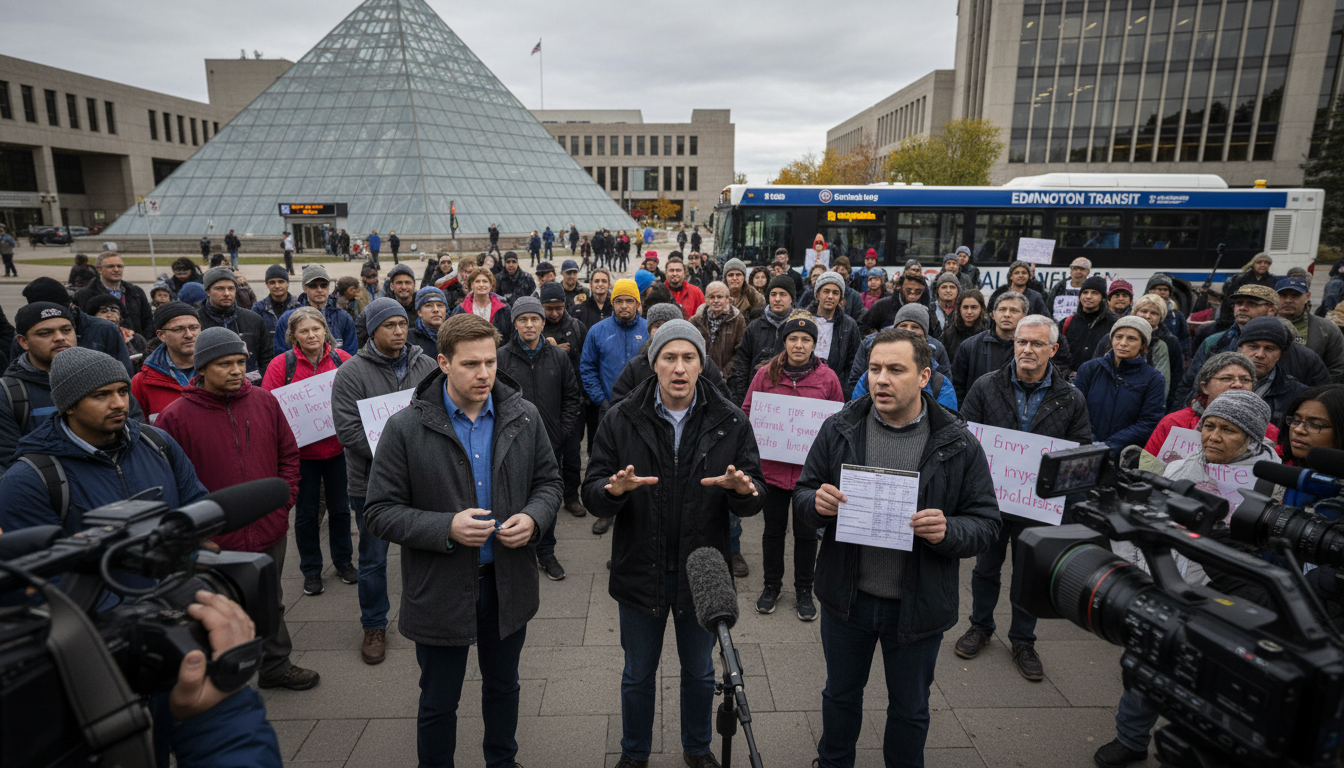
Emily Stremel, chairperson of the all-volunteer Edmonton Transit Riders (ETR), told city committee members on Tuesday that the city’s aging transit vehicles require immediate capital funding or service levels will be forced downward. The ETR report says that without money in the upcoming municipal budget to renew the Edmonton bus fleet, officials may have to remove 149 buses from service, triggering a mandatory 13 per cent reduction in routes and hours. The warning places pressure on council to weigh short-term savings against longer-term impacts on riders, reliability and the city’s mobility goals.
Riders group warns of 13 per cent service reduction
The ETR’s Tuesday submission framed the potential cuts as unavoidable if replacement funding is not included in the budget cycle. Emily Stremel said the 13 per cent reduction is derived from the number of buses that will become inoperable and irreparable as they reach the end of their useful life. The group emphasized that a drop of this size would materially reduce service frequency, extend wait times and shrink route coverage across the city.
The reduction figure is presented as a floor rather than a projection, meaning service could be further constrained if replacements are delayed or if maintenance costs rise. For commuters who depend on transit for work, school and appointments, ETR warned that the consequences would be immediate and visible at bus stops and transit centres.
149 buses expected to be inoperable by 2029
ETR’s report to committee specifies that 149 buses are expected to reach a state of being inoperable and irreparable by 2029 without capital renewal programs. That timeline places several fleet vintages simultaneously out of service, creating a concentrated gap that routine maintenance cannot bridge. The organisation described the condition as more than ordinary wear and tear, noting that some vehicles are beyond cost-effective repair.
Transit planners typically stagger vehicle replacements to avoid such cliffs, but funding shortfalls have left the fleet vulnerable to a concentrated failure point. The 2029 horizon gives the city a limited window to procure replacements or interim solutions that would prevent service degradation.
Impact on service reliability and daily commuters
A 13 per cent service reduction would affect frequency on core routes and could remove lower-ridership trips, pushing more riders into fewer buses. Reduced frequency often leads to crowding and longer transfer times, which can cascade into system-wide delays. ETR highlighted the equity implications, saying that reduced service would disproportionately affect riders with fewer alternatives, including shift workers, seniors and low-income households.
Reliability falls when spare vehicle pools shrink and contingency options are limited, increasing the risk of cancellations during breakdowns or inclement weather. The group also warned of indirect costs: higher private-vehicle use, increased congestion and potential setbacks to the city’s emissions and active-transport goals.
City budget timing and funding options
City council must decide whether to allocate capital funding for fleet renewal in the upcoming municipal budget, which will set priorities for the next fiscal year. Options under consideration include dedicating capital reserves, issuing debt for a multi-year replacement program, reallocating existing transit funds, or seeking provincial and federal grants. Each approach carries trade-offs between affordability, timing and long-term fiscal impact.
Procurement timelines are also a factor: ordering new buses, particularly low-emission or electric models, can take years from tender to delivery. If council opts for a phased purchase plan, officials will need to balance immediate needs against the lead times for vehicle manufacture and commissioning.
Stakeholders press for coordinated action
ETR’s warning drew reactions from rider advocates and transit-dependent groups urging accelerated decision-making. Community organizations urged council to prioritize capital funding to avoid service disruption and to explore intergovernmental funding to accelerate replacements. Some stakeholders recommended targeted interim measures — such as short-term leases or extended life-cycle maintenance — while pursuing a permanent fleet renewal strategy.
Transit operators and maintenance staff have told the city that preventing a service cliff requires a predictable capital plan and stable multi-year funding. The ETR presentation sought to place public pressure on council by highlighting the human impacts of inaction and by offering data to inform the budget debate.
The prospect of significant service reductions also raises questions for employers, schools and city services that rely on dependable transit to function efficiently. Business and social service providers have previously cited reliable transit as essential for workforce participation and access to services.
The city now faces a decision that will shape Edmonton’s transit network in the near term and influence ridership recovery and sustainability objectives going forward.
If council moves to fund fleet replacements, procurement and deployment will need coordinated timelines and communication to riders. If funding is not approved, the city will likely need to prepare detailed service change plans and mitigation measures to manage rider expectations and maintain essential trips.
