
U.S. Weighs Iranian Offer to Reopen Strait of Hormuz as Blockade and Talks Stall
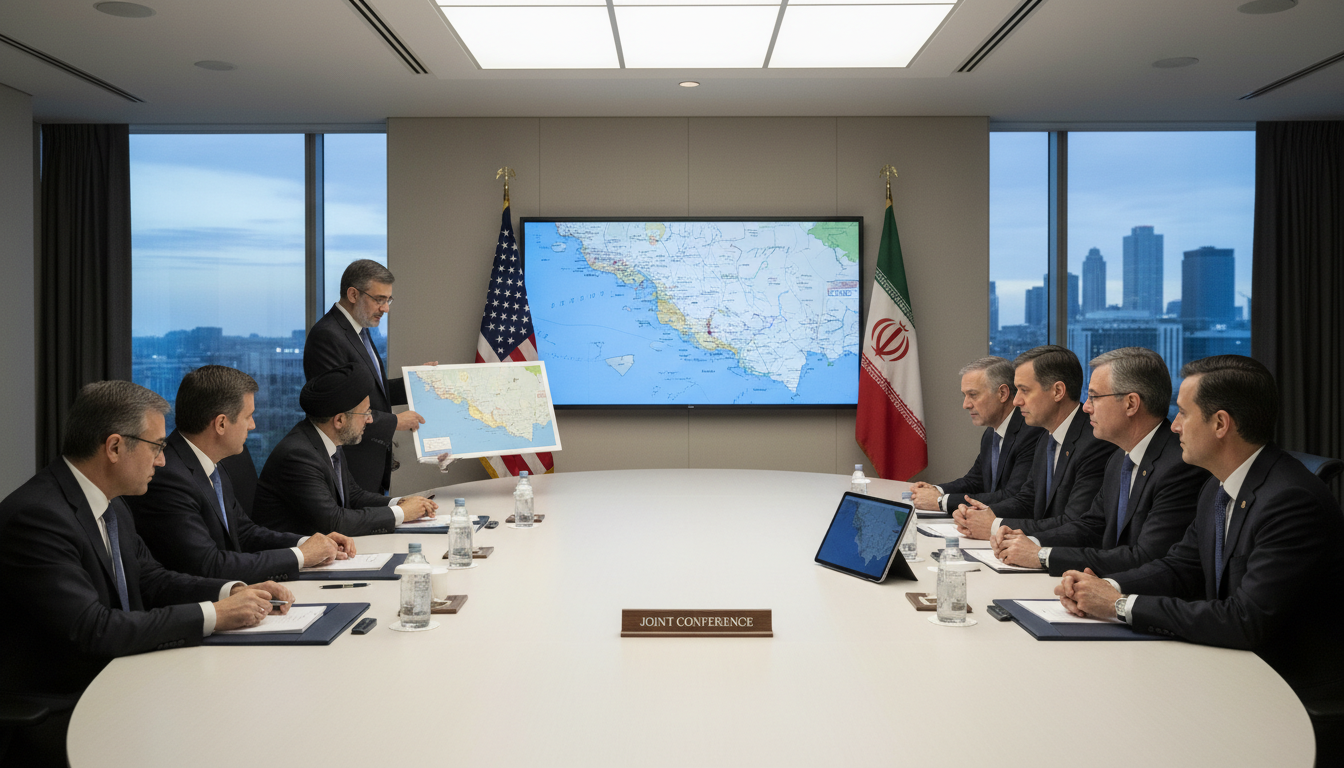
Washington is reviewing an Iranian proposal to reopen the Strait of Hormuz as a U.S. naval blockade remains in place and diplomatic talks show little movement.
The potential reopening of the Strait of Hormuz — a vital chokepoint for global oil and gas shipments — is now central to efforts to secure a lasting settlement after the outbreak of war on February 28.
U.S. officials say the offer was discussed at the highest levels in Washington, but senior advisers left the session with doubts about its acceptance.
A ceasefire has been in place for several weeks, yet Tehran maintains control over transit through the Strait of Hormuz while Washington enforces a separate blockade of Iranian ports.
U.S. deliberations and political context
Washington convened senior national security advisers to assess the details of the Iranian proposal, according to multiple U.S. sources.
Media reporting indicated President Donald Trump signaled skepticism about accepting the terms, and U.S. officials have not publicly endorsed a path forward.
The Iranian initiative, as described by international outlets and carried by Tehran’s state media, would prioritize reopening the Strait of Hormuz and ending hostilities before negotiating nuclear issues.
That sequencing is at odds with longstanding U.S. demands for comprehensive concessions tied to any de-escalation.
Maritime control and Iranian legislative moves
Tehran has kept the Strait of Hormuz effectively closed since the outbreak of hostilities, asserting control over passage and security in the waterway.
Iran’s parliament is reportedly preparing legislation to place the strait under the authority of the armed forces, ban Israeli-flagged vessels and impose passage fees payable in Iranian rials.
The United States has responded by tightening maritime controls and imposing a blockade on Iranian ports, a measure that U.S. forces say has prompted the diversion of dozens of commercial vessels.
The U.S. military also detained and later released a merchant ship in the Arabian Sea this week on suspicion of violating the embargo, underscoring the fraught enforcement environment.
Impact on energy markets and global trade
The paralysis of the Strait of Hormuz has driven a renewed spike in energy prices and raised fresh concerns about supply disruptions.
Brent crude climbed above US$110 per barrel, reflecting market anxiety about constrained exports from the Gulf and potential knock-on effects for refineries worldwide.
Analysts warn that prolonged restrictions on transit through the Strait of Hormuz could tighten supplies of refined petroleum products and derail recovery in volatile markets.
Countries dependent on Gulf oil shipments are watching closely, and the economic stakes have become a major lever in diplomatic maneuvering.
Casualties and frontline developments
The broader conflict has inflicted heavy human costs, with thousands reported dead across Iran, Lebanon and other zones of fighting.
One of the conflict’s starkest episodes—the bombing of a primary school in Minab—has been revisited in official tallies and was revised to 155 fatalities, including a significant number of children.
On the Lebanese front, Israeli strikes in recent days killed several responders and wounded soldiers, illustrating how the conflict’s effects continue to ripple beyond direct battlefields.
Israeli officials maintain that their operations do not aim at changing territorial arrangements in the south, even as both sides accuse each other of violating the pause in major combat.
Regional diplomacy and the risk of a frozen conflict
Diplomats in the region are warning that absent a durable political compromise, the crisis could calcify into a prolonged frozen conflict in the Gulf.
Qatar and other intermediaries have issued cautions about recourse to long-term low-intensity confrontation that would keep markets and populations under continuous strain.
Think tanks and intelligence analysts suggest Iranian leaders believe rising oil prices and looming shortages put pressure on Washington to accept a negotiated settlement that stops short of unconditional surrender.
U.S. strategy, meanwhile, appears aimed at maintaining pressure through sanctions and maritime interdictions in hopes of extracting broader concessions.
The Iranian military has stressed it is not treating the situation as concluded, emphasizing ongoing training, modernization and the development of new methods and tools to deter further aggression.
That posture complicates prospects for quick de-escalation, and it leaves the Strait of Hormuz — a vital artery for international commerce — at the center of both bargaining and brinkmanship.
Negotiators and military commanders now face a fraught calculus: reopen the Strait of Hormuz and reduce immediate economic pain, or hold pressure in pursuit of a broader political outcome and risk further destabilization.
