
Calgary missing boy Parker found deceased after nearly two-week search; city confronts grief and mobilizes supports
Calgary missing boy Parker found deceased after a nearly two-week search; community volunteers, police and support services respond as grief mobilizes.
The nearly two-week search for Calgary missing boy Parker ended in tragedy when investigators announced on Wednesday, July 29, 2026, that they had found a body believed to be the 11-year-old. Parker had been reported missing from a care facility in Thorncliffe on July 16, 2026, prompting a large-scale police operation and volunteer-led searches across neighbourhoods. The discovery has left the city grappling with shock, sorrow and urgent calls for support for those touched by the search.
Police confirm discovery and ongoing investigation
Calgary police announced on July 29, 2026, that a body believed to be Parker had been located after extensive search efforts. Chief Katie McLellan described the discovery as profoundly felt by officers and community members who spent many hours in the field. Police said the matter remains an active investigation and declined to release further forensic details pending next-of-kin notification and continuing inquiries.
Investigators emphasized that search and recovery operations required coordination across multiple units and partner agencies. Forensic teams, search-and-rescue volunteers and uniformed officers worked together to process the scene and gather evidence. Officials said they would provide updates as investigative steps are completed and urged the public to avoid speculation.
Community volunteers and neighbours lead grassroots search efforts
Residents across Thorncliffe and adjacent communities joined formal and informal searches following Parker’s disappearance on July 16, 2026. Neighbours, local groups and trained volunteer search teams canvassed public parks, green spaces and private properties in coordinated efforts alongside police. Many volunteers reported forming an emotional connection to Parker despite never meeting him personally, driven by a desire to help a child in need.
Local volunteer groups arranged search grids, shared tips on social media and left food and water at staging areas for searchers and first responders. Searches drew a broad cross-section of the city, including families with children, retirees and civic-minded residents. Organizers cautioned volunteers to follow safety protocols and to seek peer support if they felt overwhelmed by the experience.
Officials and community leaders respond to collective grief
Police and municipal officials acknowledged the wide emotional impact of the outcome and said supports would remain in place for those affected. Insp. Lee Wayne noted the Victim Assistance Support Team (VAST) had been deployed to assist family members and others impacted by the incident, and that support workers visited the Thorncliffe Greenview Community Centre on July 22, 2026. The unit also brought support dogs to the community centre to provide comfort during outreach visits.
Chief McLellan spoke directly to the city about the toll on volunteers and residents, saying the loss was felt keenly by those who had invested time and hope into the search. Community leaders encouraged Calgarians to check in on friends and neighbours, especially those who participated in search efforts. Officials stressed that grief can affect people in different ways and urged individuals to use the supports available.
Mental-health experts outline short- and long-term effects
Psychologists and trauma specialists warned that participating in or following an intensive search can trigger a wide range of reactions, both physical and emotional. Dr. Lawrence Deck, chief clinical officer at Wayfound Mental Health Group, said incidents involving children often amplify feelings of shock and helplessness, and that these emotions can be harder to process. He explained that repeated exposure to distressing updates through news and social media can prolong stress responses and delay recovery.
Retired officer and peer-support volunteer Peter Siegenthaler described common symptoms observed in searchers and first responders, including fatigue, sleep disruption, nausea and intrusive thoughts. He urged those affected to prioritize sleep, maintain routines and limit exposure to graphic or repetitive coverage. Both experts recommended seeking professional help if symptoms persist or interfere with daily functioning.
Support services and peer networks mobilize across Calgary
Several formal and informal supports were put in place immediately following the discovery, including peer-support teams, victim-assistance units and community mental-health resources. Boots on the Ground and the Calgary Search and Rescue Association provided peer support for volunteers and coordinated debriefs to help process the search experience. VAST and other municipal units stood ready to assist witnesses, friends and community members grappling with the aftermath.
Local community centres and faith groups offered spaces for quiet reflection and mutual support, while online platforms were used to coordinate assistance and memorial arrangements. Health professionals recommended practical coping steps such as maintaining regular meals, getting restorative sleep, engaging in physical activity and limiting media exposure. Public health and social services emphasized that help is available both immediately and for anyone experiencing delayed reactions.
Lessons and questions about care for children with autism
Parker’s diagnosis of autism has prompted renewed conversation about the specific vulnerabilities of children with developmental disabilities and the supports needed in care settings. Advocates and families noted that children with autism may have unique needs around supervision, communication and environmental safety. Community leaders called for a measured review to understand what happened and whether systemic changes could reduce risk for other children in similar circumstances.
Care providers and advocates urged authorities to examine protocols at care facilities, staff training adequacy and emergency response plans for children with additional needs. Experts highlighted the importance of individualized safety planning, clear staff-to-child ratios and robust communication with families. Several organizations also signalled a desire to collaborate with police and municipal officials to ensure lessons from this tragedy inform future practice.
Local memorials and expressions of solidarity continue to grow
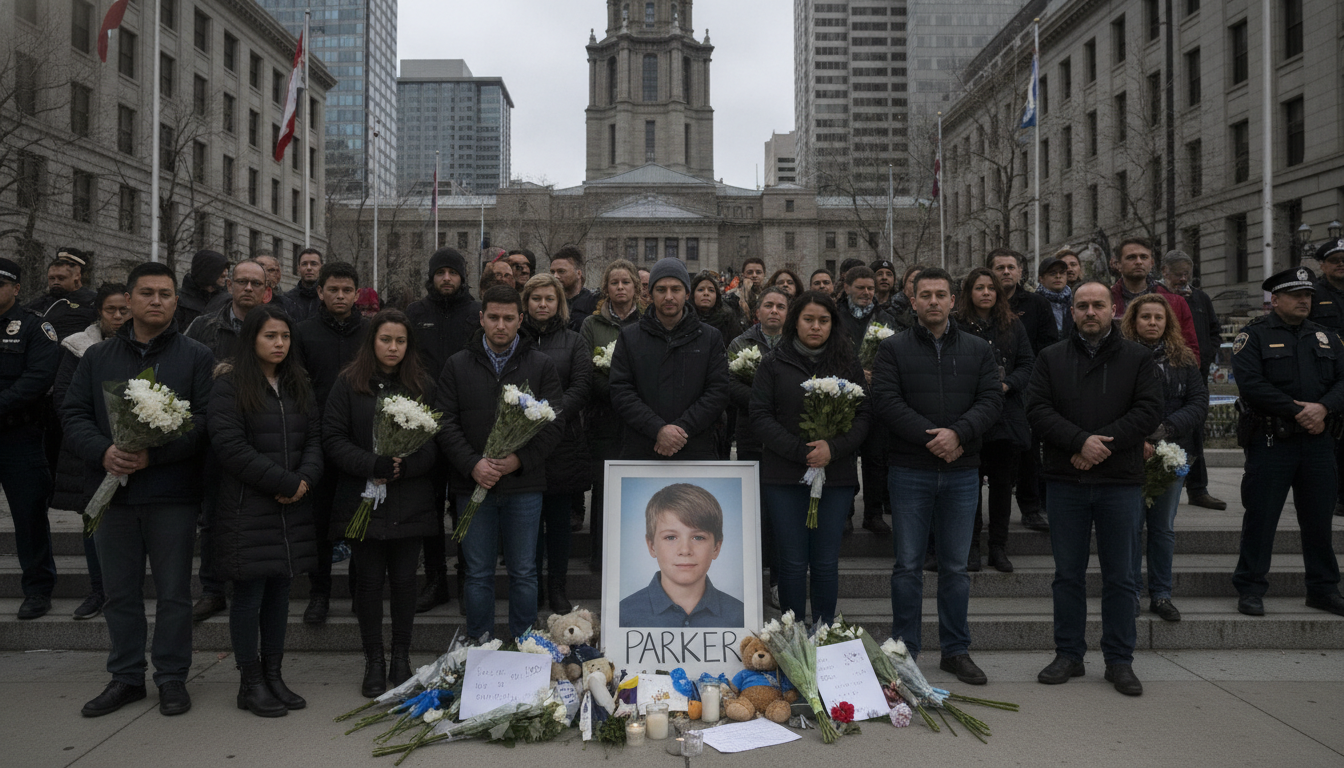
Following the announcement, neighbourhood memorials began appearing near Thorncliffe, with photos, candles and toys placed at makeshift vigils. Residents described the displays as a way to honour Parker and to process collective sorrow. Community members also organized vigils and moments of silence to provide space for mourning and to recognize the efforts of searchers and first responders.
Businesses and civic groups expressed condolences and encouraged staff and customers to access mental-health supports if impacted. Schools in the area communicated with families about available counselling and resources for students who may be struggling. The visible outpouring of support underscored how a single tragedy can ripple through families and communities.
Advice for volunteers and residents who were closely involved
Mental-health professionals and peer-support organizations offered practical guidance for anyone who took part in searches or who closely followed the case. They recommended maintaining regular sleep and meal routines, reducing secondary trauma by limiting repeated media exposure and seeking peer or professional debriefs. Volunteers were encouraged to speak openly about their feelings with trusted friends, family or support workers rather than internalizing distress.
Siegenthaler stressed the importance of routine activities—such as exercise, walking a pet or returning to work—as helpful anchors after intense experiences. If intrusive memories, ongoing nightmares, persistent avoidance or changes in mood continue beyond a few weeks, professionals urged people to reach out to health services. Local hotlines, crisis lines and community mental-health clinics were listed by officials as available resources for immediate and longer-term care.
Next steps in the police inquiry and public expectations
Police have indicated the investigation will proceed to determine the circumstances surrounding Parker’s disappearance and death. Investigators said they will continue to gather witness statements, forensic evidence and supporting information that could clarify the timeline. Officials asked the public to avoid sharing unverified information and to allow investigators to complete their work without interference.
Family members and legal representatives will be consulted as the inquiry advances, and police confirmed they will release further information when appropriate. The community has expressed a desire for transparency and answers, balanced with the need for a careful and methodical investigation. Municipal leaders signalled their support for any systemic reviews that may follow the conclusion of the criminal inquiry.
The city faces the difficult task of moving from search to investigation, and from immediate response to longer-term reflection and healing.
This painful outcome has prompted an outpouring of grief across Calgary, and officials reiterated that support services remain available for anyone affected by the search or the news of Parker’s death. The coming days and weeks will likely bring further updates from investigators and continued community healing efforts. The memory of Parker and the solidarity shown by neighbours and volunteers will shape conversations about safety, care and support for vulnerable children in Calgary.
