
Lyhanna case ignites national outcry in France and exposes gaps in child protection
A national inquiry and mass protests have followed the Lyhanna case, after the disappearance and death of an 11-year-old girl exposed alleged failures in France’s child-protection system.
The Lyhanna case began when the 11-year-old vanished on May 29 after getting into a car prosecutors say was driven by 41-year-old Jerome Barella, the father of one of her schoolmates. Her body was found six days later in an abandoned grain silo, and Barella has been placed in pre-trial detention on charges of abduction and unlawfully confining a minor; he denies the accusations and the official cause of death has not been confirmed.
Key timeline of disappearance and discovery
Lyhanna was reported missing late on May 29, after leaving a school vicinity in the southwestern town of Fleurance. Local search efforts intensified over the following days and culminated in the discovery of her body six days after she disappeared.
Prosecutors have said the alleged abduction involved a man identified as Jerome Barella, who has been charged and remains in detention while investigators continue forensic and legal work. Authorities have not publicly declared a cause of death, and the pre-trial process is ongoing under judicial oversight.
Charges against Jerome Barella and his response
Barella, aged 41, faces formal charges of abduction and unlawfully confining a minor; he is reported to be the father of a child who attended school with Lyhanna. He denies the charges, and his legal representation has contested elements of the investigative record.
Investigators are treating the matter as a criminal prosecution while forensic teams complete examinations meant to establish the circumstances surrounding the child’s death. Prosecutors have emphasized that procedural safeguards remain in place during the pre-trial phase.
Prior complaints and allegations of missed warnings
The Lyhanna case drew intense scrutiny when it emerged that Barella had been the subject of earlier accusations of sexual violence against minors. Two prior complaints were either dropped or stalled, and a third complaint filed in August 2025 alleged repeated rape of a 10-year-old girl at Barella’s home.
That third complaint was transferred between prosecutor offices in Toulouse and Auch and, according to critics, was not flagged as urgent. Legal advocates argue the failure to treat the earlier case as a priority created a missed opportunity to protect children and to question the suspect before Lyhanna’s disappearance.
Inquiry by justice and gendarmerie inspectorates finds procedural failures
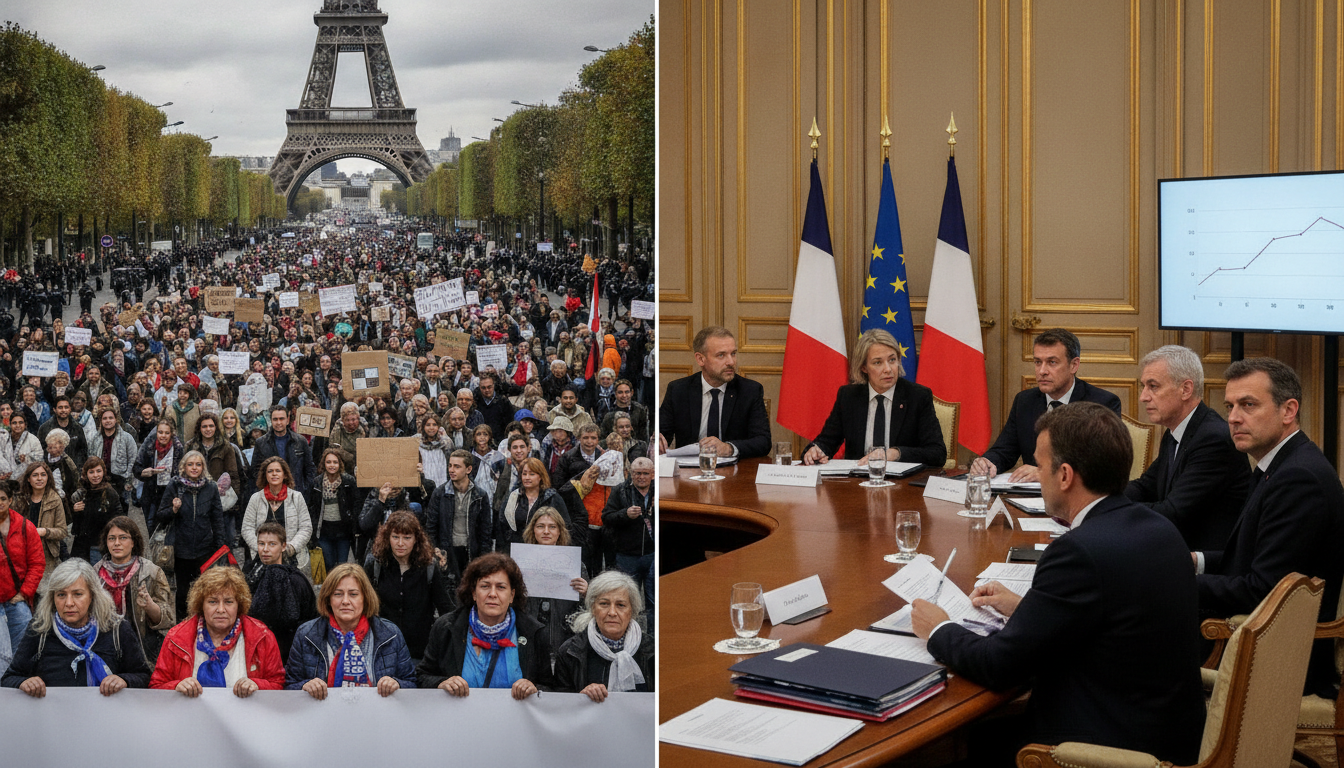
An official inquiry led by France’s justice and gendarmerie inspectorates, based on roughly 30 interviews, concluded that the file had not been adequately prioritised once it reached the Auch prosecutor’s office. The inquiry described supervision of the investigation as insufficient, findings that Prime Minister Sébastien Lecornu said demonstrated a breakdown in the “protection chain” for children.
Child protection groups and legal experts have seized on the inspectorates’ report as evidence of systemic weaknesses rather than isolated errors. Officials responsible for the prosecutor offices involved have faced questions about case management and institutional oversight as investigators and political leaders promise corrective action.
Mass protests and public demands for comprehensive reform
The case has prompted significant public mobilisation. On July 4, organisers reported about 100,000 demonstrators in Paris and tens of thousands more across some 110 towns and cities calling for a single, comprehensive law on prevention, investigation and victim support. More than 340,000 people signed a petition demanding swift and durable reforms.
Advocacy groups say the popular outcry reflects broader frustration with conviction rates and resource shortfalls in child-protection services. Demonstrators and charities are urging lawmakers to prioritise both legal tools and better resourcing for frontline services.
Justice ministry review and concerns over capacity and timeline
In response to the outcry, Justice Minister Gérald Darmanin ordered a nationwide review of every open child-abuse complaint to be completed by July 14, a sweeping task officials later said encompassed more than 88,000 cases, including 7,452 alleging rape. Magistrates’ unions and defence lawyers criticised the deadline as unrealistic, warning that a rapid review risks superficial examinations rather than meaningful casework.
Experts noted that France has far fewer prosecutors per capita than many European counterparts, a chronic under-resourcing that magnifies the impact of any surge in caseloads. Legal professionals called for sustained investment, longer timetables and structural reforms rather than a purely administrative scramble to meet a single deadline.
Calls for legal change and emergency protection measures
Child-protection organisations, including Enfance et Partage, have proposed new legal mechanisms modelled on domestic-violence protection orders that would allow prosecutors to seek urgent judicial intervention. Advocates argue such measures could rapidly remove children from dangerous situations and place them in safe environments while investigations proceed.
Campaigners emphasise that most child sexual abuse in France occurs within families, and they say meaningful reform must combine prevention, early detection, judicial rapidity and long-term support for victims. Lawyers and organisers say legislative change must be paired with investments in investigative capacity and training for officials who assess and handle complaints.
The Lyhanna case has forced French institutions to confront persistent gaps in how allegations of child sexual violence are managed and how quickly authorities respond. With public protests continuing and political pressure mounting, policymakers face a pivotal choice between emergency measures and sustained reform to rebuild public trust and strengthen protections for children.
