
South Korea launches 10-year plan to halve teen suicide rate
South Korea unveils a national strategy to halve the teen suicide rate within 10 years, expanding school supports, mental health services and crisis response.
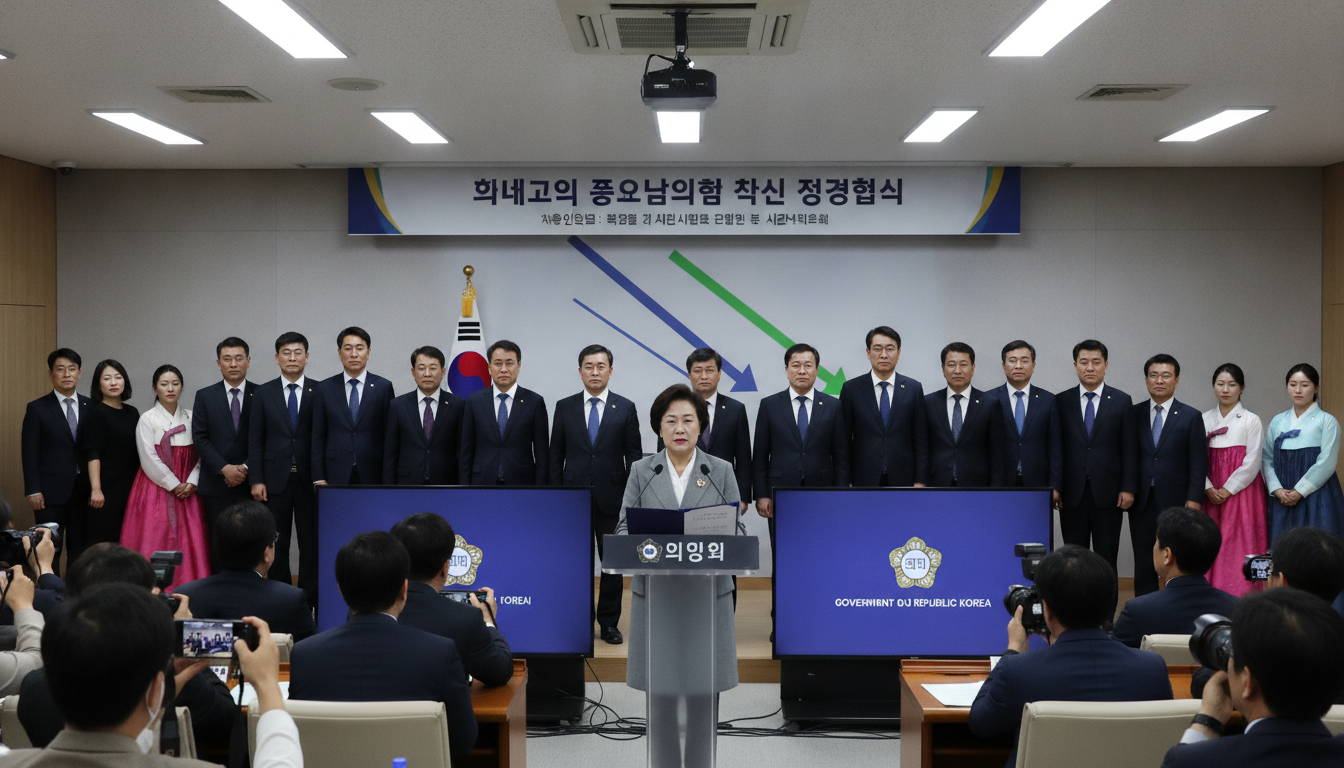
South Korea has begun rolling out a national plan aimed at cutting the teen suicide rate by half over the next decade, the government announced on July 13, 2026. Suicide is the leading cause of death among young South Koreans, and officials said the initiative will target prevention across schools, communities and digital platforms. The plan sets a measurable 10-year reduction goal and signals a stepped-up national effort to address youth mental health.
Government sets 10-year reduction target
The government framed the new programme as a long-term public health campaign with a clear numerical objective: reduce the teen suicide rate by 50 percent in 10 years. Officials emphasized a phased rollout that begins with measures in the coming months and expands into broader social supports and monitoring systems. Authorities said the target will be tracked annually and subject to regular review to adjust policies as needed.
The announcement follows sustained public concern about mental health among adolescents and young adults. Government spokespeople argued that setting a time-bound target will concentrate resources and accountability across ministries, local governments and education authorities.
Suicide remains leading cause of death for young people
Health data cited by officials underscore the urgency: suicide is the top cause of death for teenagers and young adults in recent years. Authorities say the trend has prompted a recalibration of national priorities, with mental health placed alongside physical health and safety in policy planning. The government described the scale of the issue as not only a medical concern but a social and educational challenge affecting families and communities.
Experts who study youth wellbeing note that the causes of suicide are complex and multifaceted, including academic pressure, social isolation and barriers to accessing timely care. Officials acknowledged that reducing the teen suicide rate will require coordinated action across multiple sectors, not only health services.
School-based supports and counselling to be expanded
A central element of the rollout focuses on schools, where the government plans to increase counselling capacity and mental health education. Officials said more school counsellors will be hired or contracted, with training for teachers to recognise signs of distress and refer students to care. The plan also includes enhanced anti-bullying initiatives and programmes intended to reduce academic stress, a frequently cited pressure point for adolescents.
Local education authorities will be asked to submit implementation plans tailored to their communities, and pilot projects are expected to test approaches before wider adoption. Parents’ groups and school administrations will be invited to participate in designing supports that are culturally appropriate and accessible.
National crisis response and digital safety measures
The government also outlined steps to strengthen crisis response systems, including expanded helplines and quicker pathways to emergency mental health services for young people in acute distress. Officials said coordination between emergency services, hospitals and community mental health teams will be improved to reduce delays in care. Plans referenced bolstering telephone and online counselling capacity to meet peak demand.
Authorities indicated they will examine digital platforms and online content for risks linked to self-harm, while promising to balance safety with privacy and freedom of expression. The proposal includes outreach campaigns aimed at encouraging young people to seek help early and reducing the stigma associated with mental health care.
Reactions from families, clinicians and advocacy groups
Initial reactions from family groups and clinicians were mixed: many welcomed the clarity of the target but urged detailed commitments on funding and staffing. Mental health professionals called for sustained investment in community services as well as clear workforce plans to train and retain counsellors and therapists. Advocacy organisations pressed for family supports, economic measures and protections that address underlying social drivers of distress.
Some experts also cautioned that numerical targets must be paired with robust evaluation and independent oversight to ensure interventions are effective across diverse regions and populations. Families affected by recent losses urged that measures be trauma-informed and that survivors receive long-term supports.
Monitoring, transparency and next steps
The government said it will publish annual progress reports and develop indicators to measure outcomes beyond raw suicide counts, including access to care, wait times for services and school-based screening coverage. Officials committed to working with researchers and civil society to refine evaluation methods and to make data publicly available. Local governments will receive guidance and resources to implement the plan, with national oversight to ensure minimum standards.
Implementation will begin immediately in selected pilot districts, with a phased national rollout and periodic reviews to identify what works and what needs recalibration. Ministers pledged that the initiative would be a whole-of-government effort, combining health, education, social welfare and communication strategies.
Public awareness of the scale of youth suicide has pushed the issue into the centre of policymaking, prompting promises of action and cautionary voices stressing the complexity of the challenge. The government’s 10-year target to halve the teen suicide rate sets a clear goal, but success will depend on sustained funding, effective local implementation and the willingness of communities to engage with prevention efforts.
