
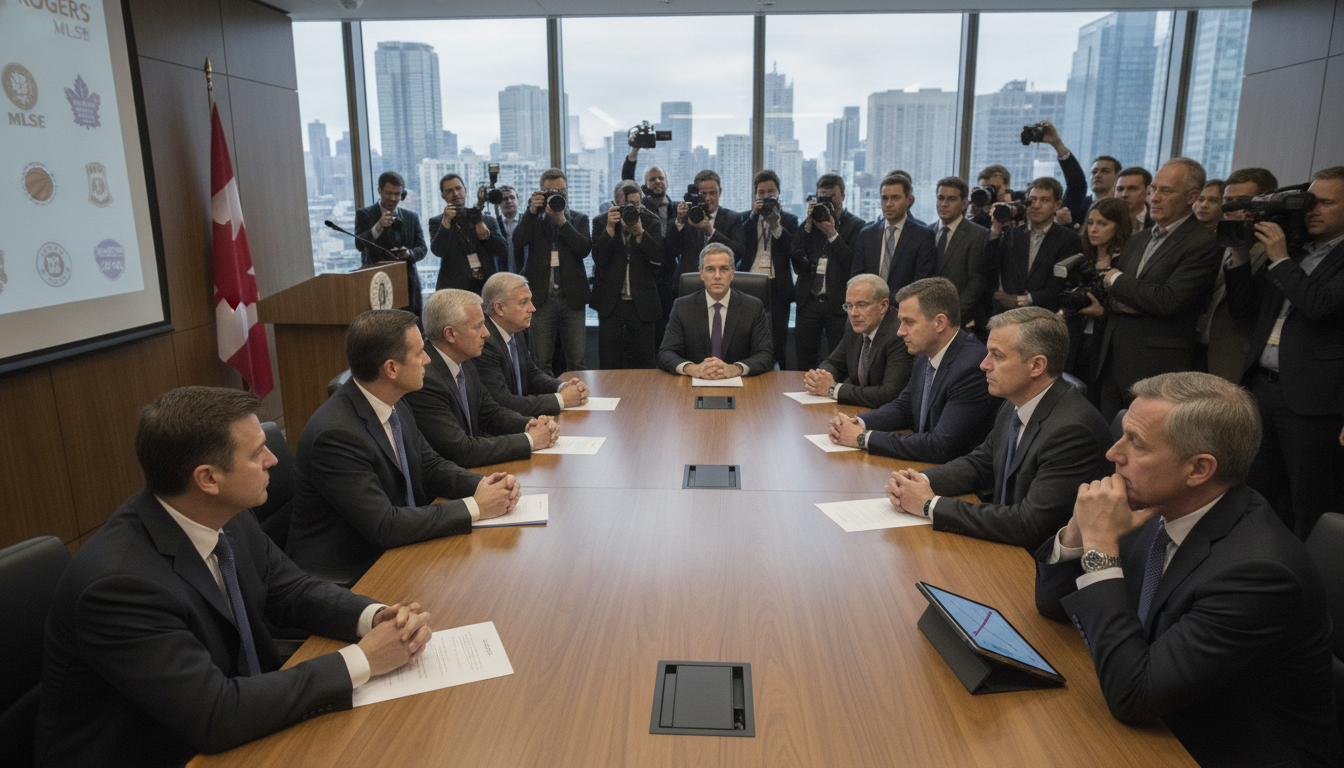
Rogers acquisition of MLSE reshapes Toronto sports, broadcasting and stadium control
Rogers’ acquisition of MLSE centralizes Toronto teams, venues and broadcast rights; experts warn vertical integration could raise costs and reduce choice.
Rogers has completed a full takeover of Maple Leaf Sports & Entertainment (MLSE), consolidating ownership of major Toronto teams, key venues and related broadcast assets. The Rogers acquisition of MLSE places team operations, arena control and distribution channels under one corporate umbrella, a move that industry observers say will reshape how fans access professional sport in Canada. Analysts and consumer advocates are already debating how the deal will affect competition, pricing and the future role of rival broadcasters.
Rogers completes acquisition of MLSE
The transaction gives Rogers ownership of franchises, including high-profile teams and the arenas where they play, creating a single corporate owner for multiple parts of the sport ecosystem. Company executives have framed the deal as an opportunity to integrate fan experiences across live events, media platforms and telecommunications services. Critics, however, view the consolidation as a major shift in market structure that could limit independent options for fans and media partners.
Observers note the scale of the price tag and the complexity of combining team operations, venue management and broadcasting obligations into one business model. The deal requires Rogers to manage long-term obligations such as arena upkeep and future stadium projects while also meeting the financial pressures of media rights renewals. Those combined demands shape expectations about how the company will prioritize revenue streams going forward.
Vertical integration strategy and global parallels
Academics say Rogers’ strategy reflects a broader international trend toward vertical integration in sports and media. Michael Naraine, an associate professor of sport management at Brock University, describes the move as part of a pattern where telecom and media companies buy rights and teams to control distribution end-to-end. He points to examples in other markets where conglomerates have stitched together networks, content and stadium assets to build proprietary ecosystems.
Other jurisdictions have taken different paths; in the United States, several large media groups divested team ownership to focus on content distribution, while in markets such as India and Australia telecom-media conglomerates have pursued combined ownership models. Naraine says Toronto may now function as a test case for whether that model delivers efficiencies for companies without eroding consumer choice in the Canadian context.
Competition concerns and calls for oversight
The acquisition has prompted concern from competition advocates who warn that fewer independent owners could reduce consumer options and raise prices. Keldon Bester, executive director of the Canadian Anti‑Monopoly Project, argues the transaction highlights fragility in competitive dynamics across professional sport and entertainment. When one firm controls teams, venues and significant distribution channels, Bester says the bargaining power shifts away from consumers and smaller broadcasters.
Regulatory attention could focus on whether the deal materially lessens competition in ticketing, venue services or broadcast negotiations. Some experts note that broadcast rights for teams still require tender processes, which may limit absolute exclusivity; others counter that vertical ownership can influence framing and access in ways that are harder to police through traditional competition reviews.
Implications for TSN, RDS and other broadcasters
Industry analysts are weighing the likely responses from rival broadcasters, especially Bell Media’s TSN and RDS. Cheri Bradish, a sport marketing professor at Toronto Metropolitan University, says Bell is unlikely to be sidelined and will probably pivot toward other properties and partnerships. She expects networks to pursue alternative live rights, niche sports and collaborative deals where mutually beneficial.
Experts emphasise that rights auctions remain a mechanism through which broadcasters can compete for content, but they also caution that vertical owners can still structure distribution terms that favour affiliated platforms. The result may be more complex commercial relationships and a renewed focus on strategic partnerships among Canadian broadcasters.
What fans may notice: prices and new paid experiences
Short-term price shocks for tickets or subscriptions are not widely expected by analysts, though longer-term pressures could push up costs. Naraine warns that major capital projects, such as renovations or new facilities, add financial burdens that companies often recoup through pricing and enhanced paid offerings. Bradish adds that teams already experiment with monetized fan experiences—VIP packages, behind‑the‑scenes tours and premium hospitality—that can grow as revenue sources.
For supporters, the more immediate changes may be structural: where and how games are shown, bundled subscription options with telecom services, and an increase in premium upsells inside venues. Those shifts could mean more curated experiences for those who can afford them and fewer low-cost access points for casual fans.
Rogers’ purchase of MLSE marks a significant transformation in Canada’s sports business landscape, concentrating multiple levers of influence in a single owner and prompting scrutiny from academics, competitors and consumer advocates. The coming months will test whether existing tender processes and regulatory frameworks can preserve competitive access while allowing the new owner to operate integrated services.
