
U.S. strikes on Iran escalate after two American soldiers killed in Jordan
U.S. strikes on Iran intensify after an Iranian attack in Jordan killed two American soldiers on July 19, 2026; Washington calls it swift punishment. Now.
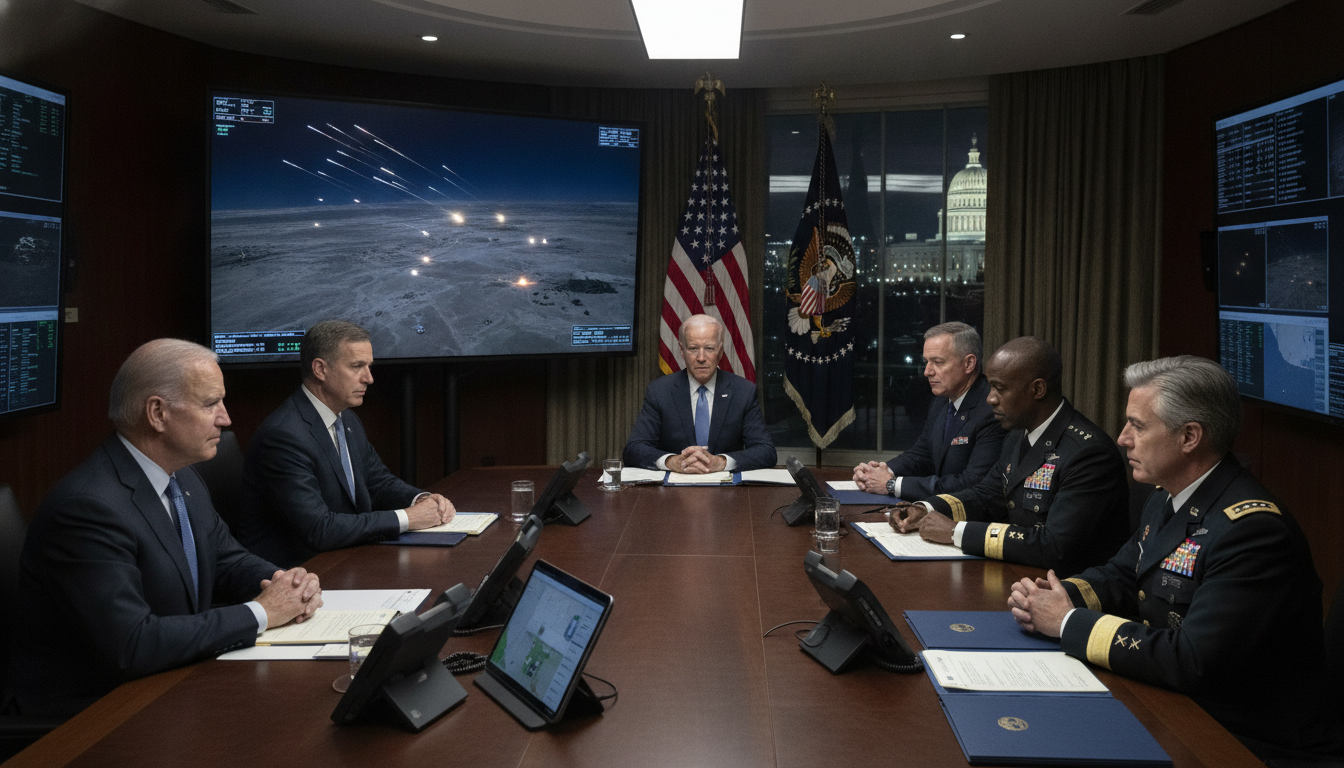
The United States launched a new wave of strikes on Iran on July 19, 2026, saying the action was in direct response to an Iranian attack in Jordan that killed two American soldiers. U.S. strikes on Iran were described by President Donald Trump as “swift punishment,” and the administration framed the operation as a proportionate military response. Officials said the strikes targeted facilities Washington identified as linked to the cross-border attack, while warning the situation remains fluid.
Attack and immediate response
The strikes came hours after Iranian-launched munitions struck a U.S. position in Jordan, killing two service members assigned to operations in the region. U.S. military briefings said the strikes were intended to degrade capabilities used to carry out attacks against American forces and partners. Military planners emphasized that the operation was limited in scope but designed to signal that attacks on U.S. personnel would prompt a direct response.
Presidential statement and White House framing
President Donald Trump publicly characterized the operation as a decisive action to protect American troops abroad, calling it “swift punishment” for the attack that killed U.S. personnel. The White House said the United States had exhausted diplomatic and defensive options before authorizing kinetic strikes. Administration officials told reporters the measures were calibrated to reduce immediate threats while attempting to avoid a broader conflagration.
Details of the incident in Jordan
U.S. and allied officials reported the two Americans died when Iranian-fired munitions struck a base area in Jordan that houses coalition personnel and partners. Authorities have so far withheld the names and units pending notification of next of kin. Jordanian officials confirmed the strike occurred on their territory and said they were coordinating with U.S. authorities on security and investigation efforts.
Regional reaction and diplomatic pressure
Regional governments and international diplomats reacted with alarm as news of the strikes spread, urging restraint and the reopening of channels for de-escalation. Several capitals called for immediate consultations at the United Nations and among NATO partners to assess the implications for regional security. Oil and shipping markets were reported to be watching events closely, and foreign ministries urged protection for civilians and diplomatic personnel.
Risk of wider escalation
Analysts cautioned that reciprocal strikes risk expanding into broader hostilities, with the potential to draw in proxies and allied states across the Middle East. Military experts said both sides appeared to be testing thresholds: Washington to demonstrate resolve in defending its forces, and Tehran in signaling deterrence against moves it views as hostile. Intelligence and diplomatic lines, officials said, will be critical in the coming days to prevent miscalculation.
Background and historical context
The latest strikes mark a sharp intensification in a long-running cycle of confrontations between the United States and Iran that have included maritime incidents, proxy clashes and targeted strikes over the past decade. Past exchanges have shown how localized attacks can quickly ripple into wider crises, prompting international efforts to broker ceasefires or detente. Washington has repeatedly said it will protect U.S. personnel and interests, while Tehran has asserted its right to respond to perceived threats and sanctions.
The situation remains highly dynamic and officials on both sides have signaled competing priorities: de-escalation to avoid a regional war, and deterrence to prevent further attacks on military personnel. Allied and regional actors continue to press for diplomatic engagement even as military movements unfold, and further official statements are expected as investigators and commanders assess damage, casualties and next steps.
