
US-Israel war on Iran intensifies as strikes hit Qeshm Island and Gulf air defences engage incoming drones
U.S.-Israel war on Iran escalates near Qeshm Island as CENTCOM and Iranian forces report strikes, while diplomatic talks stall and regional air defences intercept multiple attacks.
The US-Israel war on Iran entered its 96th day with fresh strikes near Qeshm Island and widespread military activity across the Gulf, heightening fears of a broader regional conflagration. United States Central Command described operations near Qeshm as “self-defence” strikes after what it said were hostile Iranian launches, while Iranian state-linked media reported explosions and retaliatory actions. The violence spilled into neighbouring states as Kuwait and Bahrain reported air-defence interventions and warning sirens, and CENTCOM said several missiles and drones were intercepted without U.S. casualties.
Strikes near Qeshm Island escalate Gulf fighting
CENTCOM said U.S. forces struck an Iranian ground control station on Qeshm Island in a self-defence action after what it described as hostile activity targeting American personnel and assets. Iranian outlets, citing the Islamic Revolutionary Guard Corps (IRGC), reported explosions on and around the island and described strikes on U.S. and Israeli-linked vessels in the Strait of Hormuz.
The IRGC claimed it had launched missiles and drones at U.S. targets, including an airbase and the headquarters of the U.S. Fifth Fleet in Bahrain, though CENTCOM rejected those claims and said the attacks failed to reach their targets. Independent verification of many battlefield claims remains limited amid competing narratives from both sides.
Air defences intercept drones and missiles across the Gulf
Regional militaries reported active air-defence engagements as the conflict widened beyond Iran’s coastline. Kuwait said its systems intercepted incoming drones and missiles, and Bahrain activated civil warning sirens as authorities tracked aerial threats moving through their airspace.
CENTCOM reported intercepting multiple Iranian drones and missiles, stressing that no U.S. forces or assets were harmed in the latest incidents. The pattern of attempted strikes and interceptions underscores the risk to commercial shipping and regional energy routes, notably the Strait of Hormuz.
U.S. position ties sanctions relief to nuclear concessions, Rubio tells Congress
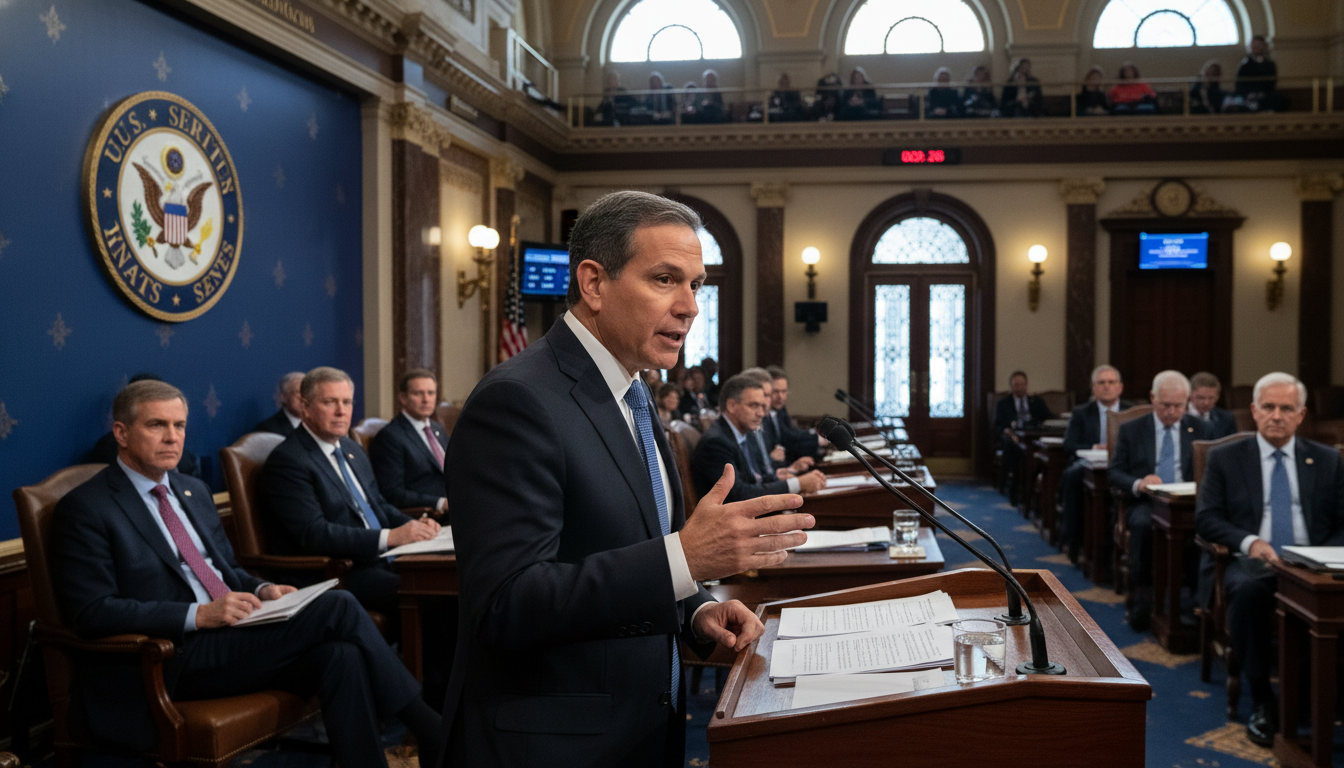
During a Senate hearing, Secretary of State Marco Rubio reiterated that Washington will not offer sanctions relief linked solely to reopening the Strait of Hormuz, saying any lifting of sanctions must be tied to enforceable Iranian nuclear concessions. Rubio told lawmakers that Tehran would need to give up enriched uranium and accept verifiable limits on its nuclear programme before the United States would remove penalties.
President Donald Trump, while saying talks with Tehran were continuing, warned that outcomes remained uncertain as negotiators seek terms that deliver tangible benefits for both sides. U.S. officials framed sanctions relief as a bargaining chip to secure long-term nuclear constraints rather than as immediate compensation for reduced maritime threats.
Negotiations remain fragile as Tehran signals conditional engagement
Iranian negotiators have not categorically ruled out talks with Washington, but the leadership’s public posture remains hardline and mistrust is deep. Mohammad Bagher Ghalibaf, Iran’s chief negotiator, warned that Tehran could abandon the negotiating track and move toward confrontation if Israeli attacks on Lebanon persist, signaling how regional dynamics complicate any diplomatic path forward.
Analysts say a credible agreement would likely need to combine nuclear rollbacks with meaningful economic relief, such as access to frozen assets or new revenue mechanisms, while providing enforceable verification to satisfy Western concerns. The closure or repeated disruption of the Strait of Hormuz, however, has created immediate pressure on global markets that complicates leverage for all parties.
Casualties and ground activity reported in Lebanon
The conflict’s spillover into Lebanon has produced deadly results, with Lebanon’s health ministry reporting at least five fatalities, including a child, and dozens wounded in strikes on southern towns such as Burj Shemali, Ebba and Tibnin. Israeli artillery and air operations in southern Lebanon have continued alongside reported Hezbollah attacks on Israeli military positions.
Hezbollah said it launched multiple strikes against Israeli forces in southern Lebanon, targeting troop concentrations and military vehicles, as tensions on the Israel-Lebanon front remain high. Local reports from journalists on the ground described powerful blasts and ongoing exchanges of fire, raising the prospect of a sustained northern front for Israel.
Political fallout in Washington and Jerusalem intensifies
Democratic senators seized on the hearings to criticise the Trump administration’s handling of the war, with several lawmakers calling the broader strategy reckless and warning of long-term strategic consequences. Domestic political debate in the U.S. centred on whether diplomatic channels were being pursued vigorously enough and whether any deal would produce durable safeguards.
In Israel, Prime Minister Benjamin Netanyahu announced plans to fortify northern regions and invest in security and economic development measures, allocating funds to strengthen communities up to several kilometres from the Lebanese border. Political critics at home accused Netanyahu of prioritising short-term political considerations over a coherent long-term military strategy, intensifying internal scrutiny.
The current phase of the US-Israel war on Iran underlines how quickly a state-level confrontation can radiate across a region, affecting civilian populations, commercial shipping, and international diplomacy. With both military and diplomatic pressures mounting, the coming days will be critical in determining whether front-line exchanges remain contained or spiral into broader confrontation.
