
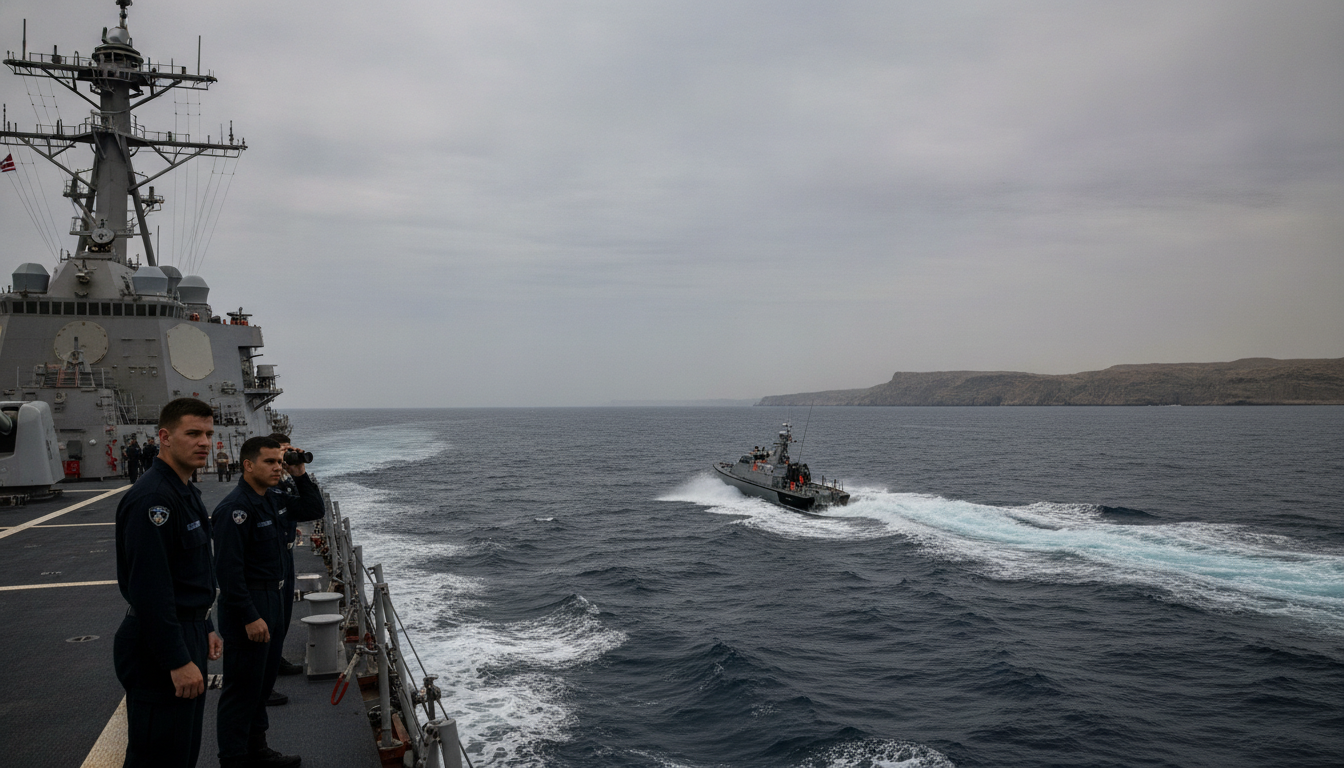
Strait of Hormuz clashes resume after short-lived U.S.-Iran cease-fires
Clashes erupt in the Strait of Hormuz after U.S.-Iran cease-fires collapse; diplomatic accords failed to stop blockades, ship attacks and regional strikes.
After weeks of intense hostilities, a fragile pattern of cease-fires between the United States and Iran has repeatedly broken down, plunging the Strait of Hormuz back into violence. The pivotal shipping route, central to global oil flows, was the focus of diplomatic accords and naval maneuvers that briefly paused fighting but failed to prevent renewed attacks. The latest cycle of blockades, ship strikes and cross-border strikes has raised concerns about a wider regional escalation.
April truce and the immediate fallout
A two-week cease-fire in April brought a temporary halt to open combat and opened space for negotiations between Washington and Tehran. That agreement was intended as a stepping stone to more durable understandings but quickly gave way to new confrontations over maritime control. Within days of the truce, clashes flared again as both sides asserted authority over the Strait of Hormuz.
Blockade, vessel attacks and Iran’s declaration
The United States imposed a blockade on Iranian ports in an effort to restrict maritime operations, prompting Iran to respond with attacks on vessels transiting the strait. Iran went further by declaring the waterway closed, a move that disrupted commercial shipping and heightened international alarm. Shipping escorts and heightened naval patrols followed, increasing the risk of collision, miscalculation or a wider confrontation.
Analysts warn about unusual volatility
Observers say the back-and-forth in public hostilities is more volatile and visible than typical peace negotiations. Laura Wise, a research fellow at the University of Edinburgh, noted that the rapid swings between calm and combat are uncommon and complicate confidence-building efforts. Analysts add that the perception in Washington of securing a deal rather than building sustainable peace may have deepened mistrust and hindered steady progress.
June memorandum and a fleeting 60-day pause
In mid-June the United States and Iran announced a memorandum of understanding that set a 60-day halt to direct hostilities and led the U.S. to lift its naval blockade. The accord briefly reduced overt military activity and allowed merchant traffic to resume under lowered tensions. However, the deal’s ambiguous language left key questions about control of the strait and enforcement mechanisms unresolved.
Late June clashes and July escalation
Ambiguities in the June agreement soon produced fresh disputes over who controlled navigation through the Strait of Hormuz. Accusations of an attack on a commercial vessel in late June marked the resumption of clashes, and temporary lulls were repeatedly broken. On July 8, the cease-fire was declared over by U.S. leadership, sparking a new round of strikes that pushed relations toward broader confrontation.
Regional strikes as conflict spreads beyond the waterway
The fighting has not been confined to the strait; retaliatory strikes extended into Iraq, Jordan and elsewhere as regional actors took part in limited operations. The United States and Saudi Arabia conducted strikes on Iranian-backed proxy sites in Iraq, while Iran reported attacks on U.S. military assets in Jordan. Those cross-border moves have intensified fears that proxy engagements could draw neighboring states deeper into the dispute.
The recurring pattern of brief pauses followed by sharp outbreaks of violence has left maritime operators, insurers and regional governments on edge. With the Strait of Hormuz remaining a flashpoint, diplomatic channels face pressure to clarify control arrangements and create enforceable procedures to prevent future breakdowns. For now, the waterway’s security is tethered to fragile agreements and volatile strategic choices that could rapidly alter the security landscape.
