
Sri Lanka Allocates $14M for Emergency Water Aid as Intensifying El Nino Deepens Drought
Sri Lanka allocates $14 million and emergency water to nearly 72,000 people as a strengthening El Nino deepens drought; officials warn rains may shift timing.
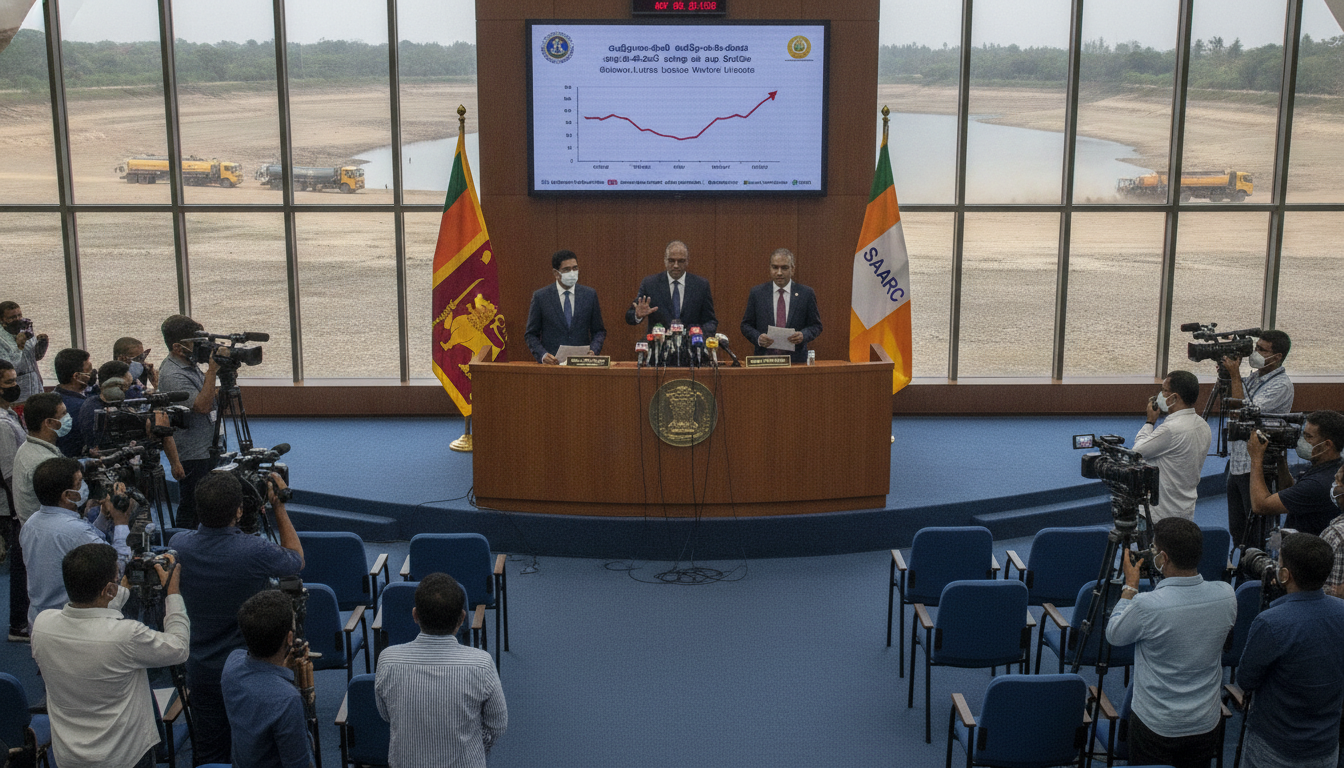
Sri Lanka has moved swiftly to deliver emergency water supplies as a strengthening El Nino tightens its grip on the island, officials said. The government has earmarked 4.8 billion rupees (about $14 million) to fund trucked water deliveries to nearly 72,000 people in seven affected districts. Authorities say families will receive roughly 75 litres every two to three days to cover drinking and sanitation needs as tank levels fall and reservoirs near critical lows.
Sri Lanka mobilizes emergency water deliveries
The water distribution programme is focused on districts where hundreds of small irrigation tanks have dropped to roughly 10 percent of capacity. Emergency trucks are transporting supplies from less-affected regions to keep households afloat while longer-term measures are organized. Officials emphasize this is a stopgap intended to protect public health and maintain basic sanitation until rains return.
Local authorities have mapped vulnerable communities for prioritization and are coordinating with military and civil defence units to move supplies quickly. Distribution points and schedules have been established to reduce crowding and ensure equitable access, particularly for elderly and low-income households. Officials warned that logistical challenges, including road access and storage, will complicate deliveries if dry conditions persist.
Extent of the drought and immediate impacts
Water scarcity has already affected household routines and agricultural activity across the seven districts targeted by the relief plan. Farmers report dry wells and shrinking tank catchments, forcing early harvest losses and increased costs for forage and feed. The shortage has also constrained basic hygiene practices in some communities, raising concerns about secondary public-health risks.
Municipalities are reporting higher demand at distribution points, and many households are relying on stored water and rationing to cope between deliveries. Drinking-water quality monitoring has been stepped up in several districts amid fears of contamination when supplies run low and storage conditions deteriorate. Health authorities are advising residents on simple purification methods and safe storage.
Budget allocation and logistics for relief operations
The 4.8 billion-rupee allocation comes from the national budget and is being used to fund truck fuel, temporary storage tanks, personnel and emergency procurement. Officials say funds will also support the repair of damaged distribution infrastructure and the purchase of potable water in areas that cannot be reached by road. The finance ministry has fast-tracked approvals to ensure payments to suppliers and transport contractors are made without delay.
Procurement teams are sourcing water from a mix of municipal reserves, private suppliers and neighbouring districts with surplus supplies. Transportation planning includes contingency routes and standby vehicles to respond to sudden access issues. Officials say they will revise and extend response measures if El Nino conditions intensify or if forecasts change.
Regional signals and related disasters linked to El Nino
The drought in Sri Lanka is part of a wider pattern of extreme weather tied to a powerful El Nino developing across the tropical Pacific. Neighbouring and distant countries are already reporting related impacts: Indonesia has seen large-scale wildfires and thick haze, while Peru and Honduras are preparing for altered rainfall and agricultural stress. International agencies have warned that this El Nino could rank among the strongest on record, amplifying risks of drought, heatwaves and floods in different regions.
In Indonesia, authorities reported hundreds of thousands of hectares burned and have proposed cloud-seeding operations to try to curb fires. The United States has indicated plans to send a military hospital to Peru next year to support anticipated weather-related health needs. Honduras has placed large swaths of the country on drought alert after dry spells damaged harvests and livestock, officials said.
Climate outlook, government planning and next steps
Sri Lanka’s environment minister told reporters the government expected El Nino to peak later in the year, but forecasts have shifted and officials now believe the event could peak sooner. Authorities said they expect the year-end monsoon after September to bring heavier rain, but they cautioned that drought conditions could return in early 2027. Planners are therefore combining short-term relief with preparations for both rapid-onset floods and renewed dry spells.
Emergency teams are developing trigger points for scaling up or tapering assistance as meteorological data are updated. Authorities are also assessing the resilience of water infrastructure and exploring measures to enhance storage and distribution for future events. International aid and technical assistance have been requested in some sectors to bolster monitoring and response capacity.
The intensifying El Nino has elevated concerns about food security, public health and economic disruption in agrarian and coastal communities. Sri Lanka’s immediate priority remains ensuring safe drinking water and preventing a widespread sanitation crisis while balancing resources to prepare for the variable weather expected later this year.
